

Microneedling has become one of the most popular skin rejuvenation treatments for people struggling with enlarged pores. Large pores can make the skin look uneven, oily, and less refined, which often leads individuals to search for effective, non‑surgical solutions. By stimulating natural collagen production, microneedling helps improve skin texture and gradually reduce the appearance of enlarged pores. Many patients are curious about what kind of changes they can realistically expect from this treatment. In this article, Microneedling for Large Pores: Before & After Results, we explore how the procedure works and what visible improvements patients often notice before and after treatment.
What Causes Large Pores?
Large pores are the result of several biological and environmental factors that affect the skin’s texture, oil regulation, and structural integrity. In most individuals, pore size is determined by a combination of genetics, hormone activity, environmental exposure, and collagen density. When the pores become filled with sebum, dead skin cells, or environmental debris, they stretch and appear larger, particularly in areas rich in sebaceous glands such as the nose, cheeks, and forehead. Sun damage also plays a substantial role: ultraviolet radiation breaks down collagen and elastin over time, causing the pore walls to weaken, which results in more visible pore openings. Additionally, chronic inflammation, improper skincare, and the use of comedogenic products can aggravate pore dilation. Understanding the underlying causes is essential for selecting the most effective professional or at‑home treatments. Microneedling is one of the leading solutions because it targets multiple causes simultaneously by stimulating collagen, tightening the pore walls, and improving overall skin quality. Before discussing treatment mechanisms, it is crucial to explore the primary contributors to enlarged pores in detail.
Genetics and Skin Type
Genetics play a significant role in determining baseline pore size and skin characteristics. Individuals with naturally oily or combination skin often inherit more active sebaceous glands, which can cause the pores to appear more prominent. Skin thickness is also genetically influenced; thicker, oilier skin types typically have larger pores because the openings are needed to release higher volumes of sebum. Ethnicity can contribute as well—studies show that certain ethnic groups naturally possess more visible pores due to hereditary traits affecting collagen density and sebaceous activity. While genetic factors cannot be changed, they can be managed with targeted skincare and clinical treatments. Understanding your genetic predisposition helps set realistic expectations for pore‑minimizing procedures. For example, those with genetically enlarged pores may require multiple microneedling sessions and ongoing maintenance care to achieve and sustain visible improvements. Ultimately, while genes set the foundation, environmental care and professional therapies significantly influence long‑term results.
Excess Oil Production
Excess sebum production is one of the leading causes of enlarged pores, especially in individuals with oily or acne‑prone skin. When the sebaceous glands overproduce oil, the sebum accumulates inside the pores, causing them to expand. This dilation becomes more pronounced when oil mixes with dead skin cells and environmental pollutants, forming blockages that stretch the pore walls over time. Hormonal fluctuations — particularly during puberty, menstrual cycles, or stress — can increase sebum output, further exacerbating pore visibility. Moreover, using harsh or stripping skincare products may trigger the skin to produce even more oil as a compensatory response. Effective management requires balancing oil production through gentle exfoliation, consistent cleansing, and medically supervised treatments when necessary. Microneedling can significantly improve the appearance of enlarged pores caused by excess oil by reinforcing the structural support around the pore openings and regulating sebum through ongoing collagen remodeling. This makes it a valuable option for long‑term skin refinement.
Aging and Loss of Elasticity
As the skin ages, collagen and elastin production naturally decline, leading to a gradual loss of firmness and elasticity. This structural weakening causes the pores to stretch, sag, and appear larger—even in individuals who did not previously experience visible pore enlargement. Sun exposure accelerates this process by breaking down collagen fibers and reducing the skin’s ability to repair itself efficiently. Over time, the pore walls lose their tautness, resulting in a more pronounced and uneven texture. Additionally, mature skin often experiences slower cell turnover, which increases the accumulation of dead cells around the pore openings, making them appear even more noticeable. Treatments that stimulate collagen production, such as microneedling, are particularly effective for age‑related pore enlargement because they strengthen the dermal support system and restore firmness. By improving elasticity and thickening the epidermis, microneedling helps the pores appear tighter, smoother, and less visible.
How Microneedling Helps Reduce Large Pores
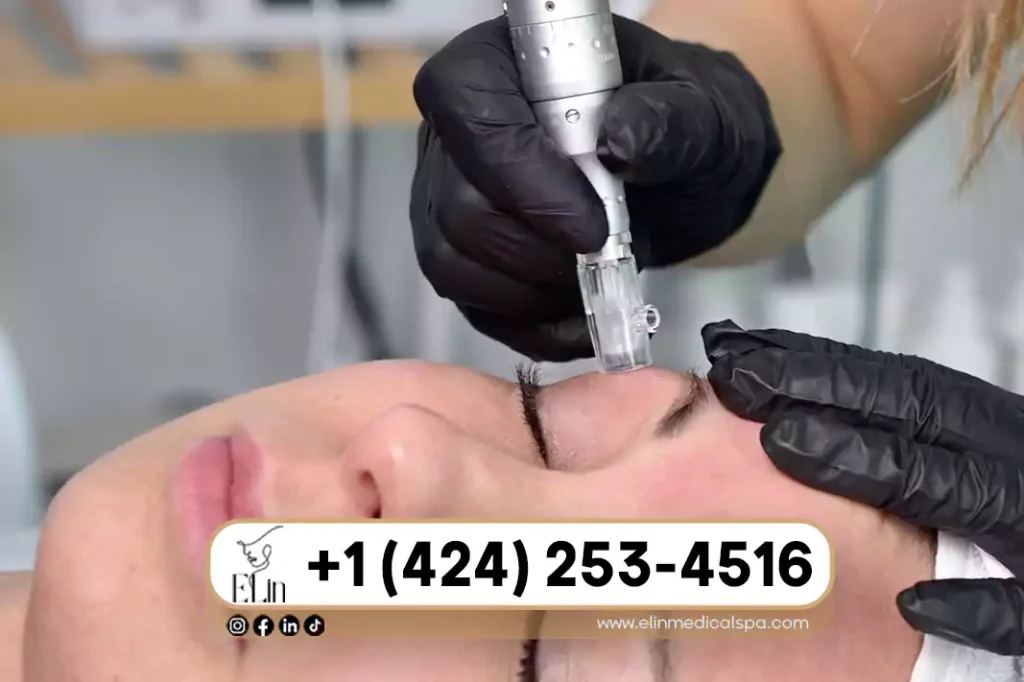
Microneedling is a minimally invasive procedure that effectively reduces large pores by improving skin structure, stimulating collagen production, and enhancing overall texture. The treatment uses fine, sterile needles to create controlled micro‑injuries in the skin, triggering the body’s natural wound‑healing response. As the skin repairs itself, it generates new collagen and elastin fibers, which strengthen the pore walls and make them appear tighter. This collagen remodeling process is essential for individuals whose pore enlargement is due to aging, excess sebum, or previous acne damage. Additionally, microneedling increases the absorption of topical skincare products, allowing active ingredients such as peptides and growth factors to penetrate more deeply and enhance results. Over multiple sessions, the skin becomes firmer, smoother, and more refined. Patients typically notice gradual yet significant improvement in pore size as the skin regenerates. Consistency is key—long‑term benefits often require a structured treatment plan complemented by appropriate aftercare.
Collagen Stimulation Process
The primary mechanism behind microneedling’s pore‑refining effects is collagen induction therapy. When the device creates micro‑channels in the skin, the body instantly initiates a three‑phase healing process: inflammation, proliferation, and remodeling. During the inflammatory phase, growth factors and cytokines begin repairing the controlled injuries. Next, fibroblasts proliferate and produce new collagen (particularly types I and III), forming a denser and more resilient dermal matrix. In the final phase, this new collagen reorganizes and strengthens the skin’s structural support, resulting in a smoother appearance and tighter pores. This process continues for several months after each session, meaning improvements gradually build over time. Because collagen production slows with age, microneedling provides a significant boost to the skin’s natural regenerative ability. Strengthening the pore walls reduces their diameter and helps minimize sagging, making the skin look more even and refined.
Improvements in Skin Texture
Beyond pore size reduction, microneedling delivers comprehensive improvements in overall skin texture. By stimulating collagen and elastin, the treatment smooths rough patches, softens acne scars, and enhances skin firmness. The controlled micro‑injuries promote increased cell turnover, helping remove dead skin cells and support the growth of fresh, healthy tissue. This leads to a more refined surface with greater luminosity and uniformity. Enlarged pores often appear worse when the surrounding skin is uneven or damaged, so texture enhancement plays a major role in improving their visibility. Additionally, increased blood circulation during the healing process boosts nutrient delivery to the skin, contributing to a healthier, more vibrant complexion. When combined with high‑quality serums or professional skincare, microneedling significantly elevates long‑term texture improvement and pore minimization.
Long‑Term Pore Minimizing Effects
Microneedling offers cumulative and long‑lasting pore‑minimizing benefits due to the ongoing collagen remodeling process it initiates. While initial improvements may be visible after the first session, the most significant changes occur gradually as new collagen strengthens and tightens the skin. Over time, repeated treatments reinforce the pore walls, reducing their diameter and preventing them from stretching due to oil buildup or aging. This long‑term structural support is especially beneficial for individuals dealing with genetically large pores or those affected by sun damage and loss of elasticity. Maintenance sessions every 4–6 months can help sustain results by keeping collagen production active. In addition, microneedling improves the penetration and effectiveness of skincare products, making at‑home routines more efficient in maintaining tight, refined pores. As a result, patients often experience smoother, clearer, and more youthful‑looking skin for an extended period.
Microneedling for Large Pores: Before & After Results
| Condition | Before Microneedling | After Microneedling |
| Pore Size | Enlarged, stretched pores, visible on nose/cheeks | Noticeably tighter pores with improved structural support |
| Skin Texture | Rough, uneven surface, clogged pores | Smoother, refined texture with enhanced clarity |
| Oil Regulation | Excess sebum buildup, shiny appearance | More balanced oil production, reduced congestion |
| Collagen Levels | Low collagen due to aging or damage | Increased collagen and elasticity over multiple sessions |
| Overall Appearance | Dull, uneven skin tone | Fresher, brighter, more youthful complexion |
What to Expect During the Procedure
- Consultation and Skin Assessment: The treatment begins with a professional evaluation of your skin type, pore size, and overall concerns. This ensures the correct needle depth and treatment approach.
- Cleansing and Preparation: The skin is thoroughly cleansed to remove oils, makeup, and debris. A topical numbing cream is then applied to minimize discomfort during the session.
- Device Selection: Depending on your needs, the specialist may use a microneedling pen or a motorized device to deliver precise micro‑injuries.
- Microneedling Process: The device is gently moved across the skin, creating controlled micro‑channels. You may feel mild pressure or vibration, but the numbing cream significantly reduces sensation.
- Application of Serums: After the micro‑channels are formed, professional‑grade serums such as hyaluronic acid or growth factors are applied to enhance healing and collagen production.
- Post‑Treatment Soothing: A calming mask or cooling gel may be applied to reduce redness and irritation.
- Aftercare Instructions: Patients receive guidance on sun protection, moisturizer use, and avoiding active skincare for 24–48 hours.
- Expected Recovery: Mild redness or sensitivity may last for 1–2 days. Visible improvements appear gradually as collagen forms.
Possible Side Effects and Safety Tips
Microneedling is generally safe when performed by a trained professional, but like any skin treatment, it carries potential side effects that patients should understand. Common reactions include temporary redness, swelling, and mild sensitivity, which typically resolve within 24 to 48 hours. In some cases, pinpoint bleeding or superficial bruising may occur, especially in individuals with sensitive skin. Infection risk is extremely low when sterile tools and proper protocols are used, but inadequate aftercare can increase susceptibility. To ensure safety, patients should avoid sun exposure, heavy exercise, hot environments, and active skincare ingredients immediately following treatment. Selecting a certified provider is crucial, as improper needle depth or technique can lead to complications such as hyperpigmentation or irritation. Pre‑treatment preparation, including avoiding retinoids or exfoliants, helps minimize adverse reactions. With proper precautions and adherence to aftercare, microneedling delivers excellent results with minimal downtime and high safety.
Common Post‑Treatment Reactions
Following microneedling, it is normal to experience redness, warmth, and mild irritation similar to a light sunburn. These effects occur because the skin enters the inflammatory phase of healing, which triggers growth factor release and collagen stimulation. Some patients may notice temporary tightness or dryness as the skin begins to repair itself. Slight swelling may appear in areas with thinner skin, such as the cheeks or under the eyes, but it typically subsides quickly. Flaking or mild peeling can occur within the first few days as cell turnover increases. These reactions indicate that the treatment is working effectively, and they should not be a cause for concern. Keeping the skin hydrated, avoiding harsh products, and using gentle cleansers will support recovery. Most individuals return to normal activities within 24 hours, and visible improvements gradually develop as new collagen forms.
When to Avoid Microneedling
Microneedling should be avoided in certain conditions to prevent complications and protect skin health. Individuals with active acne, open wounds, infections, or inflammatory skin disorders such as eczema or psoriasis should postpone treatment until the area has healed. Those prone to keloids or hypertrophic scarring are also typically advised against microneedling, as controlled injury could trigger excessive scar formation. Pregnant or breastfeeding individuals may need to avoid the procedure depending on clinical guidelines and topical products used during treatment. Patients on blood thinners or with clotting disorders should consult their physician, as microneedling can cause pinpoint bleeding. Additionally, individuals who have recently used strong retinoids or undergone chemical peels should wait until the skin barrier is fully recovered. Identifying contraindications ensures safe and effective results without complications.
How to Maintain Your Results
Maintaining microneedling results requires consistent skincare, sun protection, and periodic professional treatments. After collagen induction begins, the skin continues to remodel for several months, so supporting this process is essential for achieving long‑lasting pore‑refining benefits. Daily sunscreen use is one of the most important steps, as UV damage can break down collagen and reverse improvements. A skincare routine that includes gentle exfoliation, hydrating serums, and non‑comedogenic moisturizers helps keep pores clear and tight. Products containing niacinamide, peptides, or hyaluronic acid can further enhance skin firmness and texture. Avoiding pore‑clogging cosmetics and maintaining proper cleansing habits prevents congestion that may stretch pores again. Professional maintenance sessions every 4–6 months help keep collagen levels high and preserve firmness. Lifestyle factors such as hydration, balanced diet, and minimizing inflammation also contribute to healthy, smooth skin. With proper aftercare and ongoing maintenance, microneedling results can remain visible and transformative for the long term.
Read more: Microneedling Guide 2026
Why Consistency Matters for Visible Pore Reduction
Many people expect dramatic pore reduction after a single microneedling session, but the true power of the treatment lies in consistency. Enlarged pores develop gradually over time due to excess oil production, collagen loss, sun damage, and aging. Because these structural changes occur deep within the skin, meaningful improvement also requires a gradual rebuilding process. Microneedling works by stimulating collagen and elastin production beneath the surface, and this regeneration continues for weeks after each treatment. As new collagen forms around the pore walls, the skin becomes firmer, smoother, and more refined.
Most patients begin noticing subtle improvements after the first session, especially in skin texture and brightness. However, visible pore tightening usually becomes more noticeable after multiple treatments spaced several weeks apart. This is because collagen remodeling is cumulative. Each session strengthens the skin’s internal support structure, helping pores appear smaller and less stretched over time. Individuals with oily skin or genetically enlarged pores often benefit the most from long-term treatment plans combined with proper skincare maintenance.
Consistency at home is equally important. Daily sunscreen use protects newly formed collagen from UV damage, while non-comedogenic skincare products help prevent clogged pores and excess oil buildup. Ingredients such as niacinamide, hyaluronic acid, and peptides can further support smoother skin texture and pore refinement between sessions.
Lifestyle habits also influence results. Smoking, dehydration, poor sleep, and excessive sun exposure can weaken collagen and reduce the effectiveness of microneedling. In contrast, healthy nutrition and proper hydration help support the skin’s natural healing response.
Ultimately, microneedling is not a one-time quick fix but a progressive skin-rejuvenation strategy. Patients who remain consistent with treatments and aftercare often experience long-lasting improvements in pore size, skin smoothness, and overall complexion quality.
FAQs
1. How many microneedling sessions are needed to reduce large pores?
Most patients require 3–6 sessions spaced 4–6 weeks apart for noticeable pore‑refining results. Deeper or genetically enlarged pores may require additional maintenance sessions.
2. How long do microneedling results last?
Results can last several months, but ongoing maintenance every 4–6 months helps sustain collagen production and preserve tighter skin over time.
3. Does microneedling work for all skin types?
Microneedling is safe for most skin types, including darker tones, because it does not use heat. However, individuals with active acne or certain skin conditions should postpone treatment.
4. Is there downtime after a microneedling session?
Downtime is minimal. Redness, warmth, and mild sensitivity usually resolve within 24–48 hours, and most people resume normal activities the next day.
5. Can microneedling permanently shrink large pores?
It significantly minimizes pore appearance by strengthening skin structure, but pores do not disappear entirely. With consistent care, improvements can be long‑lasting.
Achieving Smoother, Tighter Skin with Microneedling
Microneedling has established itself as one of the most effective treatments for reducing large pores and improving overall skin texture. By stimulating natural collagen production, strengthening pore walls, and enhancing cellular regeneration, the procedure delivers visible and long‑lasting improvements. Patients often notice smoother, firmer, and more refined skin after a series of treatments, with results continuing to build over time as collagen remodels. While genetics, aging, and oil production can all contribute to enlarged pores, microneedling effectively targets these underlying causes at a structural level. With proper aftercare, sun protection, and periodic maintenance sessions, individuals can preserve their results and enjoy a more even, youthful complexion. Whether you are addressing pore size, texture irregularities, or early signs of aging, microneedling offers a safe, minimally invasive, and clinically proven solution for long‑term skin rejuvenation.