









PDO Threads vs Facelift: Pros & Cons
Choosing between PDO threads and a traditional facelift can be challenging for individuals seeking facial rejuvenation. Both treatments aim to improve sagging skin and restore a more youthful appearance, but they differ significantly in approach, recovery time, and long‑term results. A facelift is a surgical procedure that lifts and tightens deeper facial tissues for dramatic and long‑lasting improvement, while PDO threads provide a minimally invasive alternative that offers subtle lifting and collagen stimulation with minimal downtime. Understanding the advantages and limitations of each option can help patients determine which treatment best matches their aesthetic goals, lifestyle, and expectations for facial rejuvenation.
What Is a PDO Thread Lift and How Does It Work?
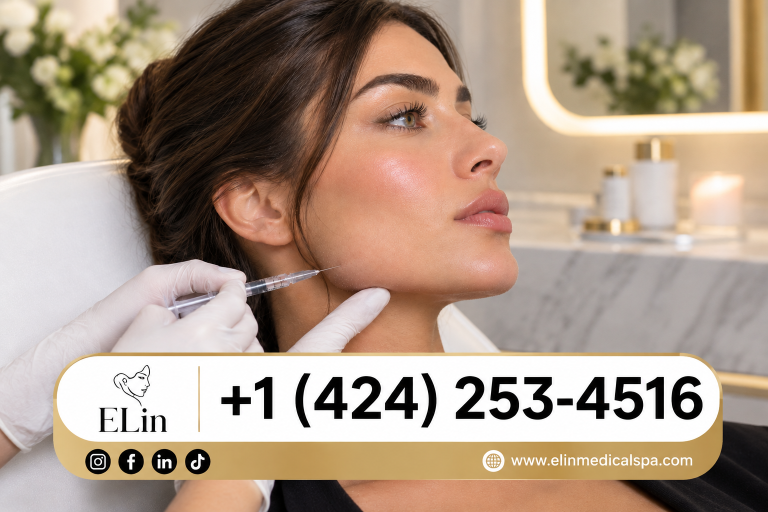
A PDO thread lift is a minimally invasive cosmetic procedure designed to lift, tighten, and rejuvenate the skin using biodegradable polydioxanone (PDO) sutures. These threads are strategically inserted beneath the skin through fine needles or cannulas, creating an immediate lifting effect. Once placed, the threads act as a supportive scaffold that repositions sagging tissue without the need for surgical incisions. Beyond mechanical lifting, PDO threads stimulate a biological response that enhances long‑term results. Over several months, the presence of PDO material triggers controlled collagen production, fibroblast activation, and neovascularization. As collagen fibers form around the threads, the skin becomes firmer, thicker, and more elastic, even after the threads dissolve naturally within 6-8 months. PDO thread lifts are particularly effective for mild to moderate skin laxity in areas such as the jawline, cheeks, brows, and neck. They offer relatively quick recovery, minimal downtime, and natural‑looking results, making them an appealing alternative to early‑stage surgical intervention. While the outcomes are not as dramatic or long-lasting as a facelift, PDO threads provide an ideal solution for patients seeking subtle enhancement without anesthesia, scars, or prolonged healing time.
Read more: PDO Threads Lift
What Is a Surgical Facelift and How Does It Work?
A surgical facelift, or rhytidectomy, is a cosmetic procedure designed to significantly rejuvenate the face by correcting deep structural aging. Unlike minimally invasive treatments, a facelift addresses both superficial and deeper anatomical layers, including the skin, fat pads, and the SMAS (superficial musculoaponeurotic system). During the procedure, the surgeon makes precise incisions, usually hidden around the ears and hairline, to access and reposition underlying tissues. The SMAS layer is lifted and tightened to restore youthful contours, reduce jowling, and redefine the jawline. Excess skin is removed, and the remaining skin is carefully redraped to avoid an over‑pulled or artificial appearance. A facelift can create dramatic and long‑lasting improvement in sagging cheeks, deep nasolabial folds, and pronounced skin laxity. Recovery typically involves swelling and bruising for 2-4 weeks, with final results emerging over several months. Compared to non‑surgical options, a facelift provides the most comprehensive and enduring rejuvenation, often lasting 8-12 years. It is ideal for patients with advanced aging changes who desire significant correction and are comfortable with surgery, downtime, and associated risks.
How Surgeons Lift and Reposition Facial Tissues
During a facelift, surgeons focus on repositioning the deeper support structures of the face rather than simply tightening the skin. The SMAS layer, which plays a crucial role in facial shape and support, is carefully elevated and repositioned to restore youthful anatomical alignment. This can be done through various techniques, such as SMAS plication, SMASectomy, or deep‑plane dissection. Once the SMAS is lifted, the surgeon redistributes fat pads and reinforces weakened ligaments to correct areas that have descended with age, such as the jowls or midface. The skin is then gently re‑draped over the new structure without excessive tension, ensuring a natural appearance. Precise suturing techniques also play a significant role in achieving long‑lasting results and minimizing visible scarring. This multilayered approach distinguishes facelift surgery from surface‑level treatments, allowing for more dramatic correction of sagging and deep creasing.
Different Facelift Techniques (Mini, Mid, Full)
Facelift techniques vary based on the extent of aging and the degree of correction required. A mini facelift focuses primarily on the lower face and early jowling; it uses smaller incisions and offers shorter downtime, making it ideal for younger patients with mild laxity. A mid‑facelift targets the central face, including the cheeks and under‑eye region, lifting the malar fat pads to improve deep nasolabial folds and hollowing. This approach offers more substantial rejuvenation for the midface without full surgical intervention. A full facelift, or traditional facelift, addresses the entire lower two‑thirds of the face and often includes tightening of the neck. It provides the most comprehensive and long‑lasting improvement for advanced aging signs. Each technique has specific benefits, downtime considerations, and suitability criteria, allowing surgeons to tailor the procedure to the patient’s anatomical needs.
Key Differences Between PDO Threads and Facelift
Although both PDO threads and facelift surgery aim to lift and rejuvenate the face, they differ significantly in technique, invasiveness, longevity, and results. PDO threads provide a minimally invasive option that uses dissolvable sutures to create subtle lifting and collagen stimulation. Results appear quickly and require minimal downtime, making them ideal for patients seeking natural enhancement without surgery. However, their lifting capability is limited to mild‑to‑moderate laxity, and results typically last 12-18 months. In contrast, a surgical facelift involves repositioning deep facial tissues and removing excess skin, offering dramatic and comprehensive correction of advanced aging. It requires anesthesia, incisions, and several weeks of recovery but provides long‑term outcomes that can last up to a decade or more. Another key difference is that PDO threads focus on stimulating collagen, while facelift surgery structurally repositions the facial foundation. Cost, risk profile, and patient suitability also vary between the two treatments. Ultimately, the choice depends on the patient’s age, degree of sagging, expectations, and willingness to undergo surgery.
Pros & Cons of PDO Threads
Pros of PDO Thread Lift
- Provides immediate lifting with visible enhancement right after insertion.
- Minimally invasive procedure requiring only local anesthesia.
- Stimulates collagen production, leading to gradual improvement in firmness and skin texture.
- Short downtime, with most patients resuming daily activities within 1-3 days.
- Delivers natural-looking results without creating an over-tightened appearance.
- Suitable for targeted lifting of the jawline, cheeks, brows, and neck.
- Considered more affordable compared to surgical facelift options.
- Ideal for patients who prefer subtle improvement without committing to surgery.
Cons of PDO Thread Lift
- Results are not permanent, typically lasting 12-18 months.
- Limited lifting power, making it unsuitable for severe skin laxity or advanced aging.
- Possible minor side effects such as bruising, swelling, puckering, or thread visibility.
- Highly technique-dependent, requiring an experienced injector for optimal outcomes.
- May require maintenance sessions to sustain results over the long term.
Pros & Cons of Facelift Surgery
Facelift surgery offers some of the most dramatic and sustained results in facial rejuvenation, making it the gold standard for individuals with advanced signs of aging. Its major advantage is the ability to reposition deeper structures, eliminate significant laxity, and recreate youthful contours with precision. Unlike non‑surgical treatments, a facelift can correct severe jowling, deep wrinkles, and sagging in a way that minimally invasive techniques cannot match. The results are long‑lasting, often remaining visible for 8-12 years. However, facelift surgery also comes with notable disadvantages. It requires anesthesia, carries surgical risks such as infection or nerve injury, and involves a longer recovery period marked by swelling and bruising. Additionally, the cost is higher than non‑surgical alternatives. While many patients achieve natural results, poor technique or improper candidate selection may lead to an over‑tightened appearance. Therefore, this procedure is best suited for individuals who desire significant improvement and are comfortable with surgical intervention and downtime.
Comparison Chart: PDO Threads vs Facelift
| Feature | PDO Thread Lift | Surgical Facelift |
| Invasiveness | Minimally invasive, no incisions | Fully surgical procedure with incisions |
| Anesthesia | Local anesthesia | General anesthesia or IV sedation |
| Procedure Duration | 30-60 minutes | 2-4 hours |
| Recovery Time | 1-3 days | 2-4 weeks |
| Results | Subtle and natural; improves over 3-6 months | Dramatic, long‑lasting structural lifting |
| Longevity of Results | 12-18 months | 8-12 years |
| Best Candidates | Mild to moderate skin laxity | Moderate to severe sagging and aging |
| Scarring | No visible scarring | Minimal, hidden around hairline/ears |
| Risks | Low (bruising, mild asymmetry) | Higher (bleeding, infection, nerve injury) |
| Cost Range | Moderate | High |
| Goal | Lift + collagen stimulation | Deep structural repositioning of tissues |
Ideal Candidates: Who Should Choose Which Treatment?
Selecting between PDO threads and facelift surgery depends on the patient’s anatomy, age, goals, and expectations. PDO threads are best suited for individuals with mild to moderate skin laxity who desire subtle lifting without surgery. These patients typically fall between their late 20s and early 50s and want a natural enhancement with little downtime. The procedure is ideal for those who prefer gradual collagen stimulation and are not ready for surgical intervention. On the other hand, facelift surgery is more appropriate for individuals with pronounced sagging, deep folds, and significant structural aging. These patients are typically in their mid‑40s to 70s and seek dramatic, long‑lasting rejuvenation. Candidates for facelift must be medically fit for anesthesia and have realistic expectations about recovery. Ultimately, an in‑person consultation with a skilled provider is essential to determine the most effective and safe option based on facial anatomy and aesthetic goals.
Who Benefits Most from PDO Threads
PDO threads are ideal for patients experiencing early-stage facial laxity, such as mild jowling, slight cheek descent, or a softening jawline. These individuals often want to restore definition and improve contours without undergoing surgery or extended recovery. Patients with good skin quality, meaning moderate thickness, elasticity, and minimal excessive fat, achieve the best lifting results. PDO threads are also suitable for those who desire progressive collagen stimulation, which enhances firmness and texture over time. They are commonly chosen by patients in their late 20s to 50s who prefer subtle, natural improvements and want to delay the need for more invasive procedures. Additionally, PDO threads are an excellent option for individuals seeking quick recovery, as most return to normal activities within days. It is not recommended for patients with severe sagging or very thin skin, as such cases require deeper structural correction.
Who Is a Good Candidate for Facelift Surgery
Ideal candidates for facelift surgery are individuals with moderate to severe facial laxity, significant jowling, deep creases, or pronounced sagging of the midface and neck. Patients typically range from their mid‑40s to early 70s and seek more transformative and long‑lasting improvement than non‑surgical treatments can offer. Suitable candidates must be in good overall health, free of conditions that impair healing, and comfortable undergoing anesthesia. They should also have realistic expectations about the recovery process, which may involve several weeks of downtime. Patients with good bone structure, stable weight, and non‑smoking habits generally experience optimal outcomes. A facelift is ideal for those who want to restore youthful contours, achieve substantial rejuvenation, and address deeper structural aging that cannot be corrected with PDO threads or fillers. Ultimately, a thorough consultation is necessary to determine suitability and create a personalized surgical plan.
Recovery Time and Downtime Differences
Recovery differs significantly between PDO threads and facelift surgery due to the level of invasiveness and tissue manipulation. PDO threads involve minimal trauma, and most patients experience mild swelling, tenderness, or bruising for a few days. Normal activities can typically be resumed within 24-72 hours, making it a convenient option for those with busy schedules. Results gradually improve as collagen forms over the next several months. Conversely, facelift surgery requires a more substantial recovery period. Patients can expect swelling and bruising for 2-3 weeks, with full healing taking several months. Strenuous activities are restricted for at least four weeks, and post‑operative care must be followed closely to ensure proper healing. The longer downtime is justified by the significant and long-lasting results that surgery provides. These differences highlight how patient expectations, lifestyle, and tolerance for downtime play major roles in choosing the appropriate procedure.
FAQ
1. How long do PDO thread lift results last?
PDO thread lift results typically last between 12 and 18 months. While the threads dissolve within about 6-8 months, the collagen stimulation they trigger can help maintain improved skin firmness for a longer period.
2. Is a PDO thread lift painful?
Most patients experience minimal discomfort during the procedure because local anesthesia is used. Mild soreness, swelling, or bruising may occur afterward but usually resolves within a few days.
3. How long does it take to recover from a facelift surgery?
Initial recovery usually takes 2-3 weeks, during which swelling and bruising gradually subside. However, complete healing and final results may take several months to fully appear.
4. Which treatment provides more dramatic results?
A surgical facelift provides significantly more dramatic and long‑lasting results because it repositions deeper facial tissues and removes excess skin, while PDO threads mainly provide subtle lifting.
5. Can PDO threads delay the need for a facelift?
Yes, for patients with mild to moderate skin laxity, PDO threads can temporarily improve facial contours and stimulate collagen, which may delay the need for surgical intervention.
6. Are there visible scars after a facelift?
Facelift incisions are typically hidden around the hairline and behind the ears, making scars minimal and usually difficult to notice once fully healed.
7. Who is not a good candidate for PDO threads?
Patients with severe skin sagging, very thin skin, or significant facial aging may not achieve sufficient lifting from PDO threads and are often better candidates for surgical options.
8. Can PDO threads and facelift surgery be combined with other treatments?
Yes. Both procedures are often combined with treatments such as dermal fillers, Botox, laser resurfacing, or fat grafting to enhance overall facial rejuvenation results.
Conclusion
Both PDO thread lifts and surgical facelifts are effective facial rejuvenation options, but they serve different purposes and patient needs. PDO threads offer a minimally invasive solution that provides subtle lifting and stimulates collagen production with very little downtime. They are ideal for individuals experiencing early signs of aging who want natural-looking improvement without undergoing surgery. In contrast, a surgical facelift delivers more dramatic and long‑lasting results by repositioning deeper facial structures and removing excess skin. Although it requires anesthesia, higher cost, and a longer recovery period, it remains the most comprehensive solution for advanced skin laxity and significant facial aging. Ultimately, the best choice depends on the patient’s degree of sagging, desired results, tolerance for downtime, and willingness to undergo surgery. Consulting with an experienced aesthetic specialist is essential to determine the most appropriate treatment plan for achieving safe and satisfying results.
Have a question about this treatment? Our Beverly Hills team will help you choose what fits your goals.