

Microneedling has become one of the most in‑demand, science‑backed skin rejuvenation treatments heading into 2026. Known for its ability to naturally stimulate collagen and improve overall skin quality, this minimally invasive procedure can address a wide range of concerns—from fine lines and acne scars to enlarged pores, uneven texture, and early signs of aging. As techniques and devices continue to advance, more patients are turning to microneedling for noticeable, long‑lasting improvements without surgery or extensive downtime.
Yet despite its growing popularity, many people still have important questions: How effective is microneedling really? What results should you expect? How much does it cost in 2026? Are there risks? And is it the right treatment for your skin type and goals?
This comprehensive guide breaks down everything you need to know about microneedling—from its proven benefits and updated pricing trends to treatment timelines, side effects, and expert insights. Whether you’re considering your first session or comparing it to alternatives like chemical peels, lasers, or RF microneedling, this guide will help you make a fully informed decision.
What Is Microneedling?
Microneedling is a minimally invasive skin‑rejuvenation procedure designed to stimulate your skin’s natural healing processes. Also known as collagen induction therapy, it uses a device equipped with tiny, sterile needles that create controlled micro‑injuries on the skin’s surface. These micro‑channels trigger the body to produce more collagen, elastin, and growth factors—essential components for maintaining firm, smooth, youthful‑looking skin. The treatment is highly versatile and can address a wide range of concerns, including acne scars, fine lines, dullness, enlarged pores, uneven texture, and early aging. Because it works by enhancing the skin from within rather than masking issues on the surface, microneedling provides gradual, natural‑looking improvement. Unlike more aggressive resurfacing methods, microneedling offers significant results with minimal downtime. Patients typically experience temporary redness and mild swelling, but recovery is fast. Over time, as collagen remodeling takes place, the skin becomes firmer, clearer, and more refined. In 2026, advancements in devices—such as adjustable needle depths, LED integration, and improved precision—have made the treatment safer, more comfortable, and more effective than earlier versions. When performed by a licensed professional, microneedling is a science‑backed method for restoring skin health without surgery or prolonged recovery.
How Microneedling Works on the Skin
Microneedling works by creating thousands of microscopic punctures in the skin, each one activating the body’s natural repair cascade. These micro‑injuries signal fibroblasts to produce new collagen and elastin, which rebuild the skin’s structure from within. As healing progresses, the skin becomes smoother, firmer, and more even in tone. The treatment reaches deeper layers of the skin than most topical skincare products can. By opening micro‑channels, it also enhances the penetration of serums such as hyaluronic acid, peptides, vitamin C, or growth factors, dramatically increasing their effectiveness. Because the micro‑injuries are controlled and evenly distributed, the skin heals uniformly, avoiding the risks associated with more aggressive treatments. Collagen remodeling continues for 6–12 weeks after each session, meaning results improve gradually and naturally.
Microneedling vs Traditional Skin Treatments
| Feature / Benefit | Microneedling | Traditional Treatments (Facials, Peels, Exfoliation) |
| Primary Method | Mechanical micro‑injuries stimulate collagen | Surface exfoliation or chemical resurfacing |
| Depth of Action | Reaches deeper layers of the dermis | Mostly superficial layers |
| Collagen Stimulation | Strong and long‑term | Mild or short‑term |
| Treatment Goals | Scars, wrinkles, pores, texture, elasticity | Brightening, smoothing, mild resurfacing |
| Skin Type Compatibility | Safe for most skin tones, including darker skin | Some peels/lasers are unsafe for darker tones |
| Downtime | Minimal (1–3 days) | Varies (0–7 days depending on peel strength) |
| Longevity of Results | Builds over weeks and lasts months | More temporary; often weeks |
| Ideal For | Wrinkles, acne scars, pores, texture damage | Surface dullness, mild discoloration |
| Cost | Moderate | Low to moderate |
| Risk Level | Low when performed professionally | Varies depending on treatment strength |
Benefits of Microneedling for Skin Rejuvenation
Microneedling offers a wide range of clinically proven benefits that make it one of the most effective non‑surgical rejuvenation options in 2026. Key benefits include:
- Boosts Collagen and Elastin Production – Reinforces the skin’s structural support, creating a firmer, smoother, younger appearance.
- Reduces Fine Lines and Early Wrinkles – Softens expression lines and improves elasticity through natural skin renewal.
- Improves Acne Scars and Texture Irregularities – Breaks down scar tissue and stimulates healthy skin regeneration.
- Minimizes Enlarged Pores – Tightens pore walls through collagen remodeling, helping the skin appear more refined.
- Evens Skin Tone and Reduces Hyperpigmentation – Encourages faster cell turnover and corrects discoloration over time.
- Enhances Product Absorption – Micro‑channels allow serums and medical‑grade actives to penetrate more deeply.
- Safe for Most Skin Types – No heat is used, reducing risks for darker skin tones.
- Minimal Downtime with Significant Results – Redness typically subsides within a day, while improvements continue for weeks.
- Natural‑Looking Improvements – Stimulates the body’s own healing rather than relying on artificial volume.
- Long‑Term Skin Health Benefits – Repeated sessions strengthen the skin’s foundation and slow visible aging.
Microneedling Cost in 2026
The cost of microneedling in 2026 varies widely depending on several major factors, including geographic location, provider experience, device technology, and the level of customization within your treatment plan. As the aesthetic industry continues to grow, microneedling remains one of the most cost‑effective options for skin rejuvenation because it offers noticeable, long‑lasting results without surgery, anesthesia, or extensive downtime. While traditional ablative lasers can cost thousands of dollars per session, microneedling is significantly more affordable and still highly effective for improving texture, fine lines, scars, and overall skin quality. In 2026, many clinics now offer upgraded technologies—such as robotic microneedling pens, precision depth‑controlled devices, and LED‑integrated systems—which enhance safety and outcomes. These innovations can raise the overall price, but they often reduce the number of sessions needed, balancing the investment. Add‑ons like growth factors, PRP (platelet-rich plasma), exosome serums, peptides, or post‑treatment LED therapy can further elevate results by amplifying collagen production and speeding up recovery.
However, each enhancement increases the per‑session cost by anywhere from 50to50 to 50to600, depending on the formulation and provider expertise. In high‑demand aesthetic hubs such as Beverly Hills, Miami, and Manhattan, prices tend to be higher due to elevated operational costs, premium devices, and highly trained specialists. In these markets, patients are paying not just for the treatment but for superior technique, safety, and overall outcome consistency. Despite variability, microneedling continues to offer strong long‑term value. Many patients experience visible improvement after only a few sessions, and with proper aftercare, these results can last for months or even years. When compared to more invasive treatments, microneedling delivers an exceptional balance of affordability, effectiveness, and safety—making it a smart investment in skin health for 2026 and beyond.
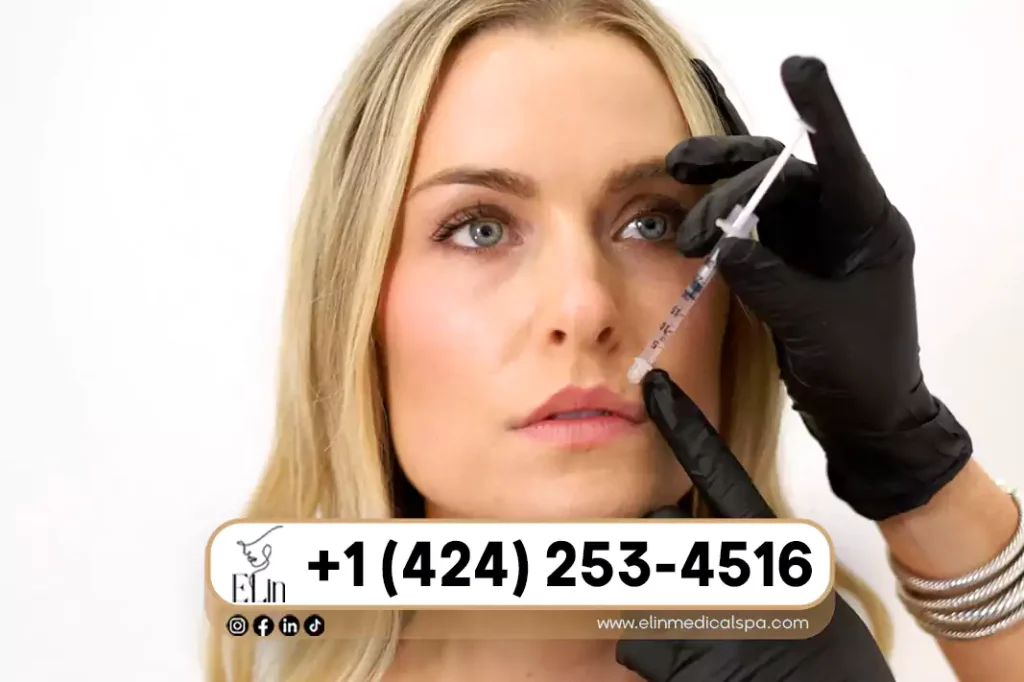
Average Price Per Session
The average price of a microneedling session in 2026 ranges from 250to250 to 250to600, depending largely on the provider’s expertise, clinic location, and the type of device used. In high-demand markets such as Beverly Hills, Manhattan, and Miami, prices tend to be higher, often falling between 350and350 and 350and900 per session, especially when advanced technologies like robotic microneedling pens or integrated LED systems are utilized. Add‑on enhancements—such as PRP, exosome serums, peptides, or growth factors—can increase the cost by an additional 100to100 to 100to600, depending on the formulation and provider. Most patients require a series of 3 to 6 sessions spaced 4 to 6 weeks apart, meaning total investment can range from moderate to high depending on goals. Many clinics offer discounted treatment packages, which can significantly reduce the per‑session cost while delivering better long-term value.
Factors That Affect Microneedling Pricing
- Microneedling prices vary based on several key factors:
- Provider Expertise – Experienced practitioners charge more but deliver safer and more precise results.
- Clinic Location – Prices are higher in metropolitan and luxury markets.
- Technology Used – RF microneedling and robotic devices are more expensive.
- Add-On Treatments – PRP, growth factors, or LED therapy raise costs.
- Treatment Area Size – Full face costs less than face + neck + chest.
What Results Can You Expect?
Microneedling delivers gradual, natural improvements that continue to develop over time as collagen remodeling takes place. Immediately after treatment, the skin appears pink and slightly plump, giving a fresh, revitalized look. Within the first week, texture becomes smoother and pores begin to appear smaller. Over the next several weeks, deeper improvements appear as collagen builds, helping soften wrinkles, refine scars, and enhance firmness. Most patients begin noticing visible changes around the 2–4 week mark, with optimal results appearing 8–12 weeks post-treatment. Because the improvements are biologically driven rather than artificial, the results look natural and blend seamlessly with your skin’s structure. When performed in a series, microneedling offers long-lasting rejuvenation and significant correction of issues like acne scarring and pigmentation irregularities.
Before and After Results Timeline
- Day 1–2: Redness and mild swelling.
- Week 1: Smoother texture, tighter pores, subtle glow.
- Weeks 2–4: Visible improvement in tone and fine lines.
- Weeks 6–12: Peak collagen production; dramatic scar and wrinkle reduction.
- Long-term: Sustained results with periodic maintenance sessions.
How Many Sessions Are Needed?
Most patients need 3 to 6 microneedling sessions, spaced 4 to 6 weeks apart, to achieve noticeable and long‑lasting improvements. This timeline allows the skin to fully heal and generate new collagen between treatments, which is essential for optimal results. Individuals with deeper acne scars, significant texture irregularities, or more advanced signs of aging may require 6 to 8 sessions or a combination approach that includes PRP, peptides, or specialized serums to accelerate progress. After completing the initial treatment series, most providers recommend maintenance sessions every 6 to 12 months to preserve collagen levels and keep the skin firm, smooth, and radiant over time. The exact number of sessions varies based on age, skin condition, lifestyle, and overall treatment goals, but a customized plan ensures that each patient receives the ideal level of correction and rejuvenation.
Microneedling Risks and Side Effects
Microneedling is considered a safe and reliable skin‑rejuvenation procedure when performed by a trained, licensed professional. However, like any cosmetic treatment, it carries certain risks and side effects that patients should understand before booking a session. Most reactions are mild and temporary, typically resembling a light sunburn. Common effects include redness, warmth, swelling, tightness, and slight peeling during the first 24–72 hours. These are normal signs of the skin’s healing response and usually resolve quickly. More sensitive individuals may experience pinpoint bleeding during the procedure or mild bruising afterward, especially around delicate areas. While uncommon, improper technique, unsterile equipment, or overly aggressive needle depths can increase the risk of infection, prolonged inflammation, or post‑inflammatory hyperpigmentation—particularly in darker skin tones. This is why choosing a reputable provider with high‑quality devices and strict hygiene protocols is essential.
Microneedling should be avoided by patients with active acne, open wounds, eczema flare‑ups, or infections, as the treatment may worsen these issues. Following aftercare instructions—such as avoiding sun exposure, pausing strong skincare products, and keeping the skin clean—significantly reduces potential risks. When performed correctly, microneedling remains a safe, effective treatment with a strong track record of positive outcomes.
Common Side Effects
Microneedling is a minimally invasive treatment, and most side effects are mild, temporary, and part of the skin’s natural healing response. Immediately after the procedure, the skin often appears red and slightly swollen, similar to a mild sunburn. You may also feel warmth, tightness, or increased sensitivity in the treated area during the first day. These reactions occur because the tiny micro‑channels created in the skin stimulate collagen production and trigger the body’s repair process. Within the next 24 to 72 hours, the redness typically fades and the skin begins to calm down. Some people experience light flaking or peeling as the skin renews itself, revealing a smoother and more even complexion underneath. Mild dryness or temporary roughness may also occur during the healing phase. Most patients can resume normal skincare routines within a few days, and makeup is generally safe to apply after about 48 hours, once the skin barrier begins to recover. Proper hydration, gentle skincare products, and sun protection can help minimize discomfort and support faster healing.
How to Minimize Risks
- Results and safety improve significantly when:
- The treatment is performed by a qualified provider
- Patients avoid sun exposure post‑treatment
- They follow aftercare instructions
- They avoid harsh skincare for 3–5 days
Who Is a Good Candidate for Microneedling?
Microneedling is suitable for a wide range of people who want to improve their skin’s texture, tone, and overall appearance without undergoing invasive procedures. Ideal candidates are individuals with mild to moderate skin concerns such as acne scars, enlarged pores, fine lines, wrinkles, uneven skin tone, or rough texture. Because the treatment stimulates natural collagen and elastin production, it is especially beneficial for people looking to refresh and rejuvenate aging or dull skin. This procedure works well for most skin types and tones, making it a versatile option compared to some laser treatments that may carry higher risks for darker complexions. People who want gradual, natural‑looking improvements with minimal downtime often choose microneedling as part of their skincare routine. However, good candidates should have generally healthy skin without active infections or inflammatory conditions. Those with severe acne breakouts, open wounds, skin infections, eczema flare‑ups, or certain medical conditions may need to postpone treatment until the skin has healed. A consultation with a qualified medical spa professional helps determine whether microneedling is the right option based on your skin condition, treatment goals, and medical history. With the proper plan, many patients achieve smoother, brighter, and more youthful‑looking skin over time.
Microneedling Aftercare and Recovery Tips
Proper aftercare plays a major role in how successful your microneedling results will be. Although microneedling is considered a minimally invasive treatment with relatively little downtime, the skin still goes through an active healing process after each session. Understanding how to care for your skin during recovery helps maximize collagen production, reduce irritation, and improve long-term results.
Immediately after treatment, it’s completely normal for the skin to appear red, tight, and slightly swollen—similar to a mild sunburn. These effects usually fade within 24 to 72 hours depending on skin sensitivity and the depth of the treatment. During this period, patients should focus on gentle skincare and avoiding anything that may irritate the skin barrier. Harsh exfoliants, retinoids, acids, and active ingredients should be paused for several days to allow the skin to heal properly.
Hydration is especially important after microneedling. Using a gentle moisturizer and hydrating serums such as hyaluronic acid can help soothe the skin and support recovery. Sun protection is equally critical, as freshly treated skin becomes more sensitive to UV damage. Patients should avoid direct sun exposure and wear a broad-spectrum SPF daily to prevent irritation or post-inflammatory pigmentation.
Most providers also recommend avoiding makeup, intense workouts, saunas, and swimming pools for at least 24–48 hours after treatment to minimize bacteria exposure and unnecessary inflammation. As healing progresses, patients often notice smoother texture, improved glow, and tighter pores within the first week, while deeper collagen improvements continue developing over the following months.
By carefully following post-treatment instructions and maintaining a healthy skincare routine, patients can significantly improve both the safety and effectiveness of their microneedling results.
FAQ
- What is microneedling used for?
Microneedling improves fine lines, acne scars, enlarged pores, texture irregularities, and early signs of aging by stimulating collagen and elastin.
- Is microneedling painful?
Most patients feel mild pressure or light scratching. A numbing cream is used, making the procedure very tolerable.
- How long is the recovery time?
Redness lasts 24–48 hours, with mild peeling for a few days. Most patients go back to normal routines quickly.
- When will I see results?
Visible improvement begins within 2–4 weeks, and full results appear after 8–12 weeks as collagen rebuilds.
- How many microneedling sessions do I need?
Most patients need 3–6 sessions, spaced 4–6 weeks apart, depending on their skin concerns.
- Is microneedling safe for dark skin tones?
Yes. Because no heat is used, microneedling is generally safe for all skin tones, including deeper complexions.
- Can microneedling help with acne scars?
Yes. It is one of the most effective treatments for softening acne scars and improving skin texture.
- How long do the results last?
With proper skincare and sun protection, results can last 6–12 months or longer. Maintenance sessions are recommended.
- Can I wear makeup after microneedling?
Makeup can typically be worn after 48 hours once the skin barrier begins to recover.
- Who should avoid microneedling?
People with active acne, infections, wounds, eczema flare‑ups, or certain medical conditions should postpone treatment until cleared by a professional.
Microneedling Consultation Today
If you’re considering microneedling in 2026 and want real, science‑backed results, this is the perfect time to take the next step. At Elin Medical Spa in Beverly Hills, our expert team uses the latest generation of microneedling devices—featuring precise depth control, LED integration, and advanced serum infusion—to deliver smoother, brighter, firmer skin with minimal downtime. Whether you’re targeting acne scars, fine lines, uneven texture, enlarged pores, or early signs of aging, our specialists create a personalized treatment plan tailored to your skin’s needs and long‑term goals. Unlike generic treatments offered at discount spas, our approach focuses on safety, precision, and visible improvement with every session. We prioritize patient comfort, natural‑looking results, and premium care standards that Beverly Hills is known for. During your consultation, we’ll assess your skin, explain expected results, review treatment frequency, and help you decide whether microneedling—or an alternative like RF microneedling, chemical peels, or laser resurfacing—is the best match. Your journey to healthier, rejuvenated skin starts with a single appointment. Book your consultation today at Elin Medical Spa and discover what truly radiant skin feels like.