



PRF in Beverly Hills: Natural Skin Rejuvenation Guide
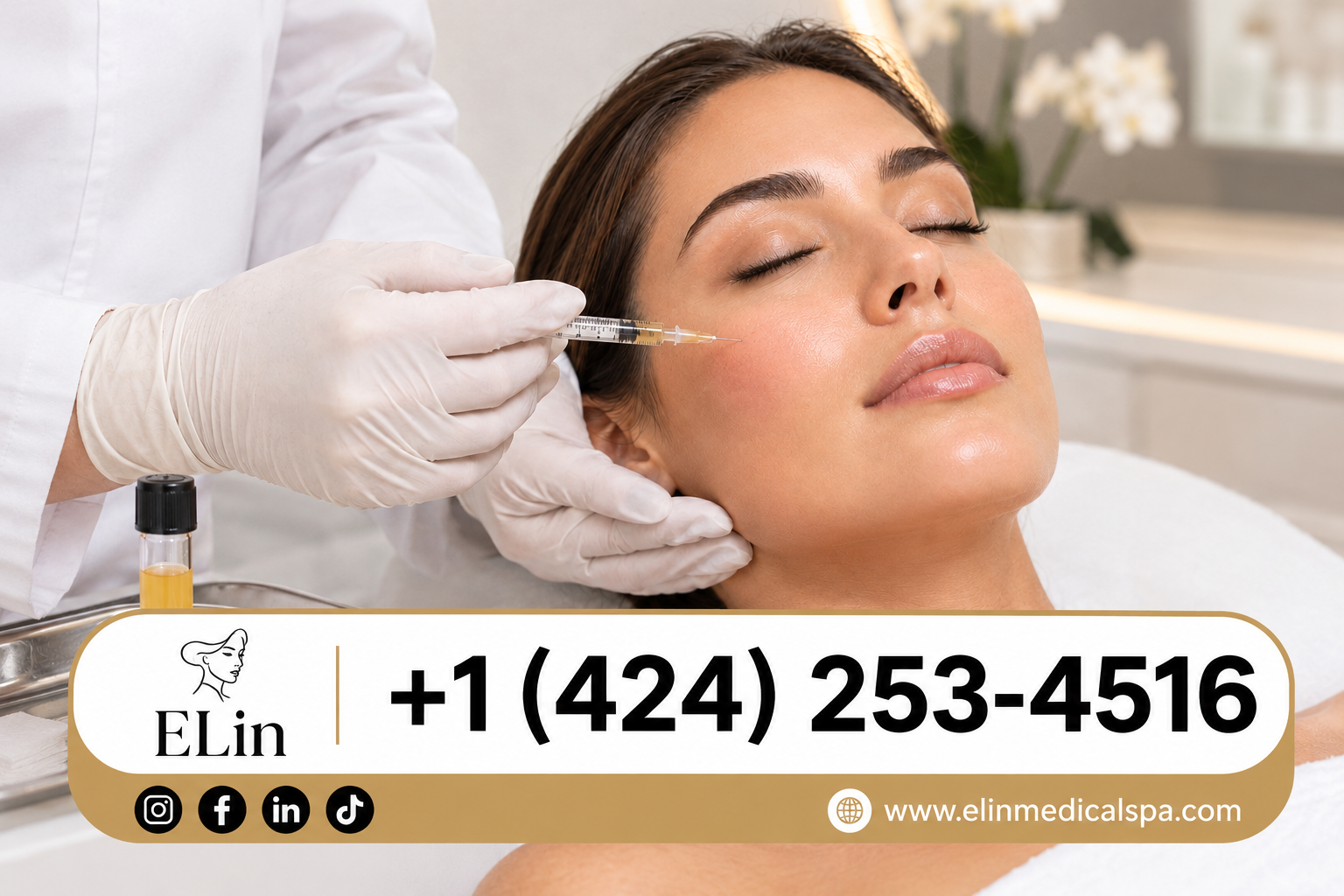
This comprehensive guide explains the science behind PRF, the facial areas it may address, the differences between PRF and PRP, and the practical considerations involved in treatment. It also covers candidacy, preparation, recovery, potential risks, and the questions worth asking during a professional consultation at a medical aesthetics practice such as Elin Medical Spa.
Quick Summary: What to Know About PRF
- PRF is prepared from a patient’s own blood and contains platelets, fibrin, and other naturally occurring blood components.
- It is used in aesthetic medicine to support tissue repair and improve selected concerns related to skin quality and the appearance of fine lines.
- PRF may be considered for areas such as the under-eyes and selected facial regions, depending on the treatment plan and provider’s assessment.
- Results develop gradually and vary according to individual anatomy, skin condition, treatment technique, and healing response.
- PRF is not a substitute for surgery, and it cannot reliably eliminate deep wrinkles, significant skin laxity, or pronounced under-eye hollows.
- Choosing a qualified medical professional, reviewing potential risks, and following aftercare instructions are essential parts of responsible treatment.
What This Guide Will Help You Understand
1. The treatment: How PRF is prepared, how it differs from PRP, and why it is used in aesthetic medicine.
2. The decision: Which concerns may respond to PRF, who may be a suitable candidate, and what realistic results look like.
3. The experience: How to prepare, what happens during treatment, what recovery may involve, and how to evaluate a provider.
1. What Is PRF in Beverly Hills Aesthetic Medicine?
Platelet-rich fibrin is an autologous blood concentrate, meaning it is prepared from the patient’s own blood. The sample is processed to produce a concentrate containing platelets within a fibrin-based structure. Depending on the preparation protocol, it may also contain white blood cells and signaling molecules involved in the body’s natural repair processes.
Platelets contain growth factors and other biological signals that participate in tissue repair. Fibrin forms a structural network that can influence how these components are retained and released. These properties have made PRF a subject of interest in regenerative medicine, including selected aesthetic applications.
In cosmetic practice, PRF may be considered for concerns such as fine lines, changes in skin texture, and selected under-eye concerns. The precise treatment method depends on the patient’s anatomy, the product preparation system, and the clinical objective.
Although PRF uses the patient’s own biological material, it should not be described as risk-free or guaranteed to produce a particular cosmetic outcome. Its benefits, limitations, and safety profile depend on the procedure and the individual receiving treatment.
How Is PRF Prepared?
PRF treatment generally involves collecting a small blood sample and processing it in a specialized centrifuge. The centrifugation protocol influences the components collected and the physical characteristics of the resulting concentrate.
Unlike some PRP preparation protocols, traditional PRF preparation generally avoids anticoagulants. The blood is processed under a specific protocol that allows a fibrin matrix to form. The prepared material is then used according to the clinician’s treatment plan.
The main steps generally include:
- Consultation: The provider reviews the patient’s medical history, skin concerns, medications, and treatment goals.
- Blood collection: A trained professional collects a blood sample using appropriate sterile procedures.
- Processing: The sample is centrifuged according to the preparation system’s protocol.
- Preparation for application: The resulting PRF is prepared for the intended clinical use.
- Treatment: The provider administers the prepared material using an appropriate technique for the selected area.
- Aftercare: The patient receives instructions concerning skincare, activity, and symptoms that may require medical attention.
The process is relatively straightforward in principle, but safe treatment depends on appropriate equipment, sterile handling, anatomical knowledge, and professional judgment.
What Makes PRF Different From Other Skin Rejuvenation Treatments?
PRF is not simply another name for a dermal filler or a conventional facial. It is a biologically derived concentrate intended to support the body’s repair processes. Other treatments may work through different mechanisms, including adding volume, creating controlled skin injury, or delivering energy to targeted tissue.
The right option depends on the concern being treated. A patient seeking improved skin texture may need a different approach from someone whose primary concern is deep volume loss, excess skin, or pronounced pigmentation.
2. Potential Benefits of PRF Skin Rejuvenation
Interest in PRF has grown because it uses the patient’s own blood components and may be incorporated into treatment plans focused on skin quality. However, expectations should be based on the available clinical evidence and an individualized medical assessment rather than promotional promises.
Supporting Improvements in Skin Quality
PRF contains biological components involved in tissue repair. In aesthetic applications, the goal may be to support gradual improvements in the appearance of selected skin concerns.
Patients often seek treatment for:
- The appearance of fine lines.
- Subtle changes in skin texture.
- Skin that appears tired or less refreshed.
- Selected concerns around the under-eye area.
- Skin quality concerns that may benefit from a broader treatment plan.
Responses vary, and the scientific evidence for PRF differs by indication and technique. A consultation should distinguish established treatment goals from outcomes that remain uncertain or are supported by limited research.
Using the Patient’s Own Blood
Because PRF is prepared from the patient’s own blood, it avoids introducing a separately manufactured filler substance. This characteristic may appeal to people who prefer an autologous treatment approach.
Nevertheless, using autologous material does not eliminate the risks associated with blood collection, injections, contamination, inflammation, or improper technique. Patients should still review their medical history and the procedure’s potential complications with a qualified provider.
A Gradual Approach to Rejuvenation
PRF is generally considered for gradual, natural-looking changes rather than dramatic structural transformation. Any improvement depends on the biological response and the suitability of the treatment for the concern being addressed.
Patients should understand that gradual treatment does not necessarily mean a more effective result. For significant volume loss, pronounced laxity, or deep folds, other treatments may be more appropriate or may need to be considered as part of a comprehensive plan.
A Treatment Plan Tailored to Individual Needs
There is no single PRF protocol that is appropriate for every patient. Treatment area, preparation method, injection technique, medical history, and the desired outcome all affect the treatment plan.
A responsible provider explains why PRF is being considered, what it is expected to address, what it is unlikely to change, and whether alternative treatments may better suit the patient’s needs.
3. PRF for Under-Eye Rejuvenation
The under-eye area is one of the most frequently discussed applications of PRF in aesthetic medicine. The skin in this region is relatively delicate, and changes in pigmentation, tissue thickness, anatomy, and volume can contribute to a tired appearance.
PRF may be considered for selected patients who want to address the appearance of fine lines or improve aspects of under-eye skin quality. However, dark circles have multiple causes, and PRF does not address all of them equally.
What Causes Under-Eye Concerns?
Several factors may contribute to the appearance of the under-eye area:
- Thin skin: Underlying blood vessels may be more visible through delicate skin.
- Pigmentation: Increased pigment can create a brown or uneven appearance.
- Volume loss: Changes in the fat compartments and surrounding tissues can create hollows.
- Facial anatomy: Natural contours can produce shadows that resemble dark circles.
- Allergies and irritation: Some conditions can contribute to swelling, rubbing, or discoloration.
- Age-related changes: Skin elasticity and tissue support can change over time.
Identifying the main cause is essential. A treatment that may support skin quality will not necessarily correct pigmentation, allergy-related changes, or a deep anatomical hollow.
What Can Patients Realistically Expect?
Some patients may be considered for PRF when fine lines or selected skin-quality concerns are the primary focus. The extent of improvement is variable, and the treatment should not be presented as a guaranteed solution for dark circles or under-eye bags.
Prominent fat pads, substantial skin excess, and pronounced tear-trough volume deficiency may require a different clinical approach. Depending on the individual, the provider may recommend another treatment or referral for further assessment.
The under-eye region contains important blood vessels and delicate structures. Treatment in this area requires detailed anatomical knowledge and careful technique. Patients should ask about the provider’s qualifications, experience with periocular treatments, and plan for managing complications.
4. PRF vs. PRP: Understanding the Differences
Platelet-rich plasma, or PRP, is another autologous concentrate used in various medical and aesthetic applications. Both PRP and PRF are derived from a patient’s blood, but they differ in preparation methods and physical structure.
The choice between them should be based on the intended application, the specific preparation system, the clinician’s assessment, and the evidence relevant to the treatment goal.
| Feature | PRF | PRP |
|---|---|---|
| Full name | Platelet-rich fibrin | Platelet-rich plasma |
| Source | Patient’s own blood | Patient’s own blood |
| Preparation | Typically prepared without anticoagulants, allowing fibrin formation | Often prepared using anticoagulants, depending on the protocol |
| Physical characteristics | Contains a fibrin-based structure | Generally a plasma-based concentrate |
| Potential aesthetic uses | Selected skin-quality and under-eye applications | Selected skin-quality and hair-related applications, depending on the protocol |
| Evidence considerations | Evidence varies by indication and technique | Evidence also varies by indication and technique |
Neither treatment is universally superior. Claims that PRF always produces better results or that PRP is inherently less effective oversimplify the differences between preparation methods, treatment protocols, and clinical indications.
During a consultation, ask which treatment is being proposed, why it is appropriate for your concern, and what evidence supports its use for that particular area.
5. Who May Be a Suitable Candidate for PRF?
PRF may be considered for adults seeking subtle improvements in selected skin-quality concerns who understand the treatment’s limitations and are medically suitable for blood collection and the planned procedure.
Potential candidates may include people who:
- Want to explore an autologous treatment option.
- Have realistic expectations about gradual and potentially modest improvements.
- Are concerned about selected fine lines or aspects of under-eye skin quality.
- Can follow pre-treatment and post-treatment instructions.
- Understand that results and the number of recommended sessions vary.
Who May Need Additional Assessment?
Not everyone is a suitable candidate. The provider should review relevant medical history and determine whether treatment should be postponed, modified, or avoided.
Additional assessment may be necessary for people with:
- Bleeding or platelet disorders.
- Significant anemia or certain blood-related conditions.
- Active skin infections or inflammation in the intended treatment area.
- Medical conditions that may affect healing.
- Medications that influence bleeding or clotting.
- Pregnancy or breastfeeding, when the elective procedure’s safety has not been adequately established.
This list is not exhaustive. The relevance of each condition depends on the individual’s circumstances and the proposed procedure.
Do not stop prescribed medication or change a medical treatment plan solely to prepare for PRF without discussing it with the prescribing clinician and the treating provider.
6. What Happens During a PRF Appointment?
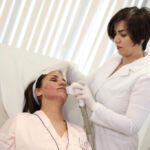
A professional appointment should begin with a discussion of the patient’s concerns, relevant medical history, and expectations. The provider should explain the proposed technique and obtain informed consent before treatment.
Consultation and Treatment Planning
The clinician evaluates the target area and considers factors such as skin condition, facial anatomy, medical history, and previous cosmetic treatments.
Patients should have an opportunity to discuss concerns, ask questions, and understand the expected benefits and limitations before deciding whether to proceed.
Preparation and Blood Collection
The treatment area is prepared according to the provider’s protocol. A blood sample is collected using appropriate equipment and sterile technique.
The amount collected depends on the treatment plan and the preparation system being used.
Processing and Application
The sample is processed according to the relevant protocol. The prepared PRF is then administered using the technique selected for the treatment area.
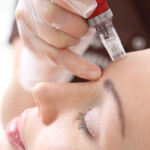
Patients should ask whether the procedure involves injections, microneedling, or another method, because the technique affects the experience, recovery, and potential risks.
Aftercare Instructions
Before leaving, patients should receive instructions tailored to the procedure. These may cover cleansing, skincare products, makeup, exercise, sun exposure, and symptoms that warrant medical review.
The provider should also explain how to make contact if a concern develops after the appointment.
7. Recovery After PRF Treatment
Recovery depends on the treatment area, the method used, the patient’s skin sensitivity, and individual healing characteristics. Some people experience temporary redness, swelling, tenderness, or bruising after treatment.
These effects may be more noticeable in delicate areas, such as beneath the eyes. Their duration and severity vary, so patients should follow the specific advice provided by their clinician.
Immediately After Treatment
The treated area may look mildly swollen or irritated. Small injection marks or bruises may occur, and the appearance immediately after treatment should not be taken as an indication of the final result.
Follow the provider’s instructions regarding cold compresses, cleansing, and topical products. Avoid applying unapproved products to recently treated skin.
During the First Few Days
Patients may be advised to avoid strenuous exercise, excessive heat, and activities that could irritate the treatment area for a period specified by the clinician.
Makeup should be avoided until the provider confirms that it is appropriate for the particular procedure and the skin has recovered sufficiently.
When to Contact a Medical Professional
Contact the treating provider if symptoms are worsening, persistent, or inconsistent with the recovery instructions.
Seek urgent medical assessment for severe or rapidly increasing pain, significant changes in skin colour, spreading redness, fever, visual symptoms, or any other concerning symptom. Visual changes or severe pain after an injection near the eye require immediate emergency evaluation.
Do not assume that a serious symptom is simply part of the normal healing process.
8. When Will You See Results From PRF?
PRF is intended to support biological processes rather than create the immediate structural change associated with some cosmetic procedures. Any visible improvement therefore depends on the individual’s response and the specific concern being treated.
Some patients may notice changes over the weeks following treatment, while others may see limited improvement. The timing and magnitude of any change cannot be guaranteed.
Why Results Differ Between Patients
Several factors can influence outcomes:
- Baseline skin condition: The type and severity of the concern affect what improvement may be possible.
- Individual healing response: Biological responses differ from person to person.
- Technique and preparation: Treatment protocols and application methods may influence results.
- Treatment area: Delicate skin and different facial structures present different challenges.
- Lifestyle and skincare: Sun exposure, smoking, sleep, and general skin care may influence overall skin health.
- Expectations: Subtle skin-quality changes are different from major volume restoration or surgical correction.
A provider may recommend a series of sessions depending on the indication and the treatment protocol. There is no universally appropriate number of sessions for every patient.
Ask how progress will be evaluated and when the provider recommends reassessment. Standardized photographs taken under consistent lighting and positioning can help compare changes more objectively than memory alone.
9. Potential Risks and Safety Considerations
PRF uses the patient’s own blood, but the procedure still involves blood collection and, in many applications, injections or other forms of skin treatment. Appropriate safety measures are essential.
Potential adverse effects include:
- Temporary redness, swelling, and tenderness.
- Bruising or minor bleeding.
- Discomfort during or after the procedure.
- Infection associated with inadequate sterile technique.
- Inflammatory reactions or delayed healing.
- Uneven cosmetic results or dissatisfaction with the outcome.
- Rare but serious complications associated with injections, depending on the treatment area and technique.
Procedures around the eyes require particular care because of the region’s complex anatomy. Patients should understand the provider’s qualifications, experience, emergency procedures, and approach to complication management.
Questions to Ask About Safety
- What professional license and qualifications do you hold for this procedure?
- How often do you perform this specific treatment?
- What preparation system and application technique will you use?
- What are the risks relevant to my medical history and treatment area?
- What symptoms should prompt an urgent call or emergency evaluation?
- How can I contact the practice if I have a concern after treatment?
Clear answers help patients make informed decisions. A responsible provider should discuss limitations and risks rather than promising that the treatment is completely safe or effective for everyone.
10. How Much Does PRF in Beverly Hills Cost?
The cost of PRF in Beverly Hills varies according to the treatment area, preparation method, provider’s qualifications, appointment structure, and whether the plan includes additional procedures.
There is no single price that applies to every patient, and a precise estimate should come from the practice after the intended treatment has been clarified.
Factors That May Affect Pricing
- Treatment area: Different areas may require different techniques and levels of clinical assessment.
- Number of sessions: A recommended series may cost more overall than a single appointment.
- Provider expertise: Training, experience, and clinical setting may influence fees.
- Preparation and equipment: Processing systems and consumables can contribute to the cost.
- Combined procedures: Adding another treatment changes the overall plan and price.
When comparing quotes, confirm exactly what is included. Ask whether the price covers consultation, blood processing, treatment, follow-up, and any recommended additional sessions.
The lowest price is not necessarily the best value if the provider cannot clearly explain the procedure, credentials, safety protocols, and aftercare arrangements.
11. PRF Compared With Other Skin Rejuvenation Options
PRF is one of several treatments that may be considered for facial rejuvenation. Each option addresses different concerns, and no single treatment is suitable for every patient.
| Treatment | Primary Approach | May Be Considered For | Important Limitation |
|---|---|---|---|
| PRF | Autologous blood concentrate | Selected skin-quality concerns | Results vary and evidence depends on indication |
| PRP | Platelet-rich plasma concentrate | Selected skin and hair applications | Protocols and results vary |
| Hyaluronic acid filler | Adds volume in selected areas | Certain hollows, folds, and volume deficits | Injection-related risks and product-specific limitations |
| Microneedling | Controlled micro-injury to the skin | Selected texture and scar concerns | Requires suitable technique and recovery care |
| Laser treatments | Targeted energy delivery | Selected pigment, texture, or resurfacing concerns | Risks and downtime depend on device and skin type |
This comparison is general educational information, not a recommendation for a particular patient. A consultation can help identify which approach, if any, is appropriate for the concern being treated.
12. How to Prepare for a PRF Consultation
Preparation begins with an accurate understanding of your medical history and the outcome you hope to achieve. A useful consultation should be a two-way discussion rather than a sales presentation.
Before Your Appointment
- Prepare a list of current medications and supplements.
- Tell the provider about allergies, bleeding disorders, and relevant medical conditions.
- Discuss previous cosmetic procedures and any complications you experienced.
- Identify the specific concern you want to address.
- Ask whether you need to follow any preparation instructions.
- Request information about the expected recovery period and follow-up arrangements.
Do not discontinue prescribed medication or start supplements specifically to change bleeding or healing without appropriate medical advice.
Questions That Help Set Realistic Expectations
Consider asking the provider to explain what improvement is realistically possible for your particular anatomy and skin condition.
Other useful questions include:
- What changes would indicate that treatment has been successful?
- How will we assess the result objectively?
- What alternative treatments might be more appropriate?
- What is the expected range of recovery experiences?
- When should I schedule a follow-up assessment?
- What additional costs might arise if further treatment is recommended?
Patients should feel comfortable declining treatment if their questions remain unanswered or the proposed plan does not match their goals.
13. Choosing a Medical Aesthetics Provider in Beverly Hills
The provider and clinical setting are important parts of the treatment decision. A suitable practice should communicate clearly, review medical history, explain risks, and recommend treatment based on clinical suitability rather than a one-size-fits-all package.
Evaluate Qualifications and Experience
Confirm that the professional performing the procedure holds the appropriate credentials and is legally authorized to provide the treatment in the relevant jurisdiction.
Ask about experience with the specific technique and anatomical area you are considering. Experience with general facial aesthetics does not automatically establish expertise in every injection procedure.
Look for Clear Treatment Information
Trustworthy communication should explain the treatment method, realistic benefits, limitations, risks, costs, and aftercare. Patients should also receive a clear explanation of who will perform the procedure and how concerns will be managed afterward.
Consider the Entire Patient Experience
Convenience and atmosphere may contribute to the experience, but they should not replace clinical quality. A professional setting should maintain appropriate hygiene, protect patient privacy, and support informed consent.
For patients exploring aesthetic services, Elin Medical Spa can be a starting point for learning about the practice and determining which services may be relevant. Confirm current service availability, provider credentials, and treatment details directly with the practice before scheduling.
14. Frequently Asked Questions About PRF in Beverly Hills
What is PRF treatment used for?
PRF is used in selected aesthetic applications to support tissue repair and address certain skin-quality concerns. Depending on the patient’s condition and the provider’s assessment, it may be considered for fine lines and selected under-eye concerns. Its effectiveness varies by indication, and it is not a universal solution for all signs of aging.
Is PRF a natural skin rejuvenation treatment?
PRF is considered an autologous treatment because it is prepared from the patient’s own blood. It contains platelets and a fibrin structure associated with biological repair processes. However, the word natural does not mean risk-free, and the procedure still requires appropriate medical assessment and sterile technique.
How many PRF sessions are needed?
The number of sessions depends on the treatment area, individual goals, the preparation method, and the clinician’s assessment. Some treatment plans involve multiple sessions, while others may differ. There is no single schedule that is appropriate for every patient.
Does PRF hurt?
Patients may experience discomfort during blood collection or treatment. The level of discomfort depends on the technique, treatment area, and individual sensitivity. A provider can explain what to expect and whether an appropriate comfort measure is available.
Can PRF remove dark circles permanently?
No permanent result can be guaranteed. Dark circles may result from pigmentation, visible blood vessels, facial anatomy, volume changes, or other factors. PRF may be considered for selected skin-quality concerns, but it may not address the underlying cause of an individual’s dark circles.
Is PRF better than PRP?
Neither treatment is universally better. PRF and PRP differ in their preparation methods and physical characteristics. The most appropriate option depends on the treatment goal, the clinical evidence for the intended use, and the provider’s assessment.
Can PRF be combined with other aesthetic treatments?
It may be incorporated into a broader aesthetic plan in selected circumstances. However, the suitability and timing of combined treatments depend on the procedures involved, the patient’s medical history, and recovery considerations. A qualified provider should determine whether combining treatments is appropriate.
What are the common side effects of PRF?
Temporary swelling, redness, tenderness, and bruising may occur. More serious complications are possible, particularly with injections in anatomically sensitive areas. Patients should receive clear aftercare instructions and know when to seek medical attention.
When can I return to my normal routine?
Recovery varies according to the treatment technique and individual response. Some patients can resume many normal activities relatively quickly, while visible swelling or bruising may persist longer. Follow the specific guidance provided by the treating professional.
How much does PRF in Beverly Hills cost?
Pricing depends on the treatment area, provider, preparation method, and number of sessions. Request an individualized estimate that clearly identifies what is included, such as consultation, treatment, and follow-up.
Who should avoid PRF treatment?
Suitability depends on the patient’s medical history and the procedure being considered. People with certain blood disorders, active infections, impaired healing, or other relevant medical conditions may need additional assessment or may not be suitable candidates. A qualified provider should review these factors before treatment.
How do I choose a PRF provider in Beverly Hills?
Verify the provider’s qualifications and authorization to perform the procedure. Ask about experience with the intended treatment area, preparation methods, risks, expected outcomes, aftercare, and complication management. Choose a provider who gives clear answers and supports informed decision-making.
15. Final Thoughts on PRF in Beverly Hills
PRF offers an approach to aesthetic treatment that uses a patient’s own blood components to support biological repair processes. For selected patients, it may be considered as part of a plan focused on skin quality, fine lines, and certain under-eye concerns.
Its suitability depends on the underlying concern, the patient’s medical history, the technique being used, and the clinical evidence relevant to the intended outcome. PRF should not be presented as a guaranteed solution for dark circles, deep wrinkles, substantial volume loss, or significant skin laxity.
Before proceeding, take time to understand the proposed treatment, compare reasonable alternatives, review potential risks, and establish realistic expectations. A qualified provider should explain both the potential benefits and the limitations, including the possibility of little or no visible improvement.
For people exploring PRF in Beverly Hills, a personalized consultation is the most appropriate way to determine whether the treatment fits their goals. The best aesthetic plan is one that prioritizes medical suitability, informed consent, safety, and outcomes that are realistic for the individual.
Explore Your Skin Rejuvenation Options at Elin Medical Spa
If you are considering PRF for under-eye concerns, fine lines, or overall skin quality, begin by identifying the changes you would like to address and discussing them with a qualified aesthetic professional.
A personalized consultation can help clarify whether PRF is suitable for your needs, what results may reasonably be expected, and whether another treatment may be more appropriate.
Make your decision with confidence by prioritizing individualized care, transparent information, and a treatment plan tailored to your skin.
Have a question about this treatment? Our Beverly Hills team will help you choose what fits your goals.