






PRF vs. PRP in Beverly Hills: Which Regenerative Treatment Is Better for You?
For people interested in improving the appearance of fine lines, addressing selected skin-quality concerns, or exploring alternatives to conventional aesthetic treatments, understanding these differences is an important first step. The right choice depends on the concern being treated, individual health factors, the practitioner’s assessment, and the available clinical evidence.
This comprehensive guide explores three essential areas: how PRF and PRP differ biologically and procedurally, which treatment may be more appropriate for different aesthetic goals, and what patients should know about safety, recovery, costs, and realistic outcomes before scheduling a consultation with a medical aesthetics provider such as Elin Medical Spa.
Quick Summary: PRF vs. PRP at a Glance
- PRF: Platelet-rich fibrin contains platelets within a fibrin-rich matrix and is often prepared without added anticoagulants.
- PRP: Platelet-rich plasma is a platelet-concentrated plasma preparation produced using a protocol that may involve anticoagulants.
- Potential benefits: Both treatments have been explored for selected regenerative and aesthetic applications, but evidence varies by indication and technique.
- Skin rejuvenation: Either approach may be considered for selected skin-quality concerns, depending on the treatment plan and the patient’s needs.
- Recovery: Temporary swelling, redness, tenderness, or bruising may occur with either treatment.
- Results: Improvement is variable and may develop gradually. Neither treatment guarantees collagen production or a specific cosmetic outcome.
- Choosing a treatment: A qualified clinician should assess the concern, explain the evidence, and discuss alternatives before recommending PRF or PRP.
What Are PRF and PRP in Aesthetic Medicine?
PRF and PRP are autologous preparations, meaning they are obtained from the patient’s own blood. Both contain concentrated platelets, which are involved in normal blood clotting and release signaling molecules associated with tissue repair.
These biological properties have prompted interest in using platelet-based preparations in several medical and aesthetic applications. In facial aesthetics, clinicians may consider them as part of an individualized approach to selected concerns involving skin quality and the appearance of aging.
Despite their similarities, PRF and PRP are not interchangeable terms. Their preparation protocols influence the characteristics of the final material, and the suitability of either treatment depends on the intended application.
Understanding Platelets and Growth Factors
Platelets contain biological signaling molecules that participate in the body’s repair processes. Following activation, platelets release substances involved in communication between cells and the surrounding tissue.
In aesthetic medicine, these mechanisms are studied for their possible role in supporting tissue recovery and changes associated with skin quality. However, the presence of growth factors does not automatically mean that a treatment will produce a noticeable cosmetic improvement.
Clinical outcomes depend on multiple variables, including the preparation method, treatment technique, anatomical area, patient characteristics, and the quality of the evidence supporting a particular use.
What Is PRP Treatment?
Platelet-rich plasma is produced by collecting a blood sample and processing it to concentrate platelets in a plasma-based preparation. The specific platelet concentration and composition depend on the equipment and protocol used.
PRP has been investigated in different clinical fields, including selected applications related to tissue repair and hair restoration. In aesthetic medicine, it may be considered for certain skin-rejuvenation procedures, sometimes in combination with other treatments.
How PRP Is Prepared
A typical PRP procedure involves several stages:
- Assessment: The practitioner reviews the patient’s goals, medical history, medications, and suitability for treatment.
- Blood collection: A small blood sample is collected using appropriate sterile equipment.
- Processing: The sample is centrifuged according to a defined protocol to separate and concentrate selected blood components.
- Preparation: The resulting platelet-rich plasma is prepared for the intended clinical application.
- Administration: When appropriate, the preparation is applied or injected using a technique selected for the treatment area.
- Aftercare: The patient receives instructions and information about expected reactions, follow-up, and warning signs.
PRP formulations can differ significantly. Centrifugation settings, collection tubes, platelet concentrations, white blood cell content, and activation methods may vary. Therefore, results from one PRP protocol should not automatically be applied to every PRP treatment.
Potential Benefits of PRP for Skin Rejuvenation
PRP may be considered for selected aesthetic applications where the aim is to support skin quality or complement another procedure. Depending on the indication and protocol, potential goals may include:
- Improving the appearance of selected fine lines.
- Supporting skin-quality improvement as part of an individualized rejuvenation plan.
- Complementing selected procedures intended to improve skin texture.
- Exploring a blood-derived treatment option rather than relying exclusively on conventional injectable products.
These are potential treatment goals, not guaranteed results. Evidence for cosmetic PRP varies across applications, and a patient should not assume that every concern will respond equally well.
What Is PRF Treatment?
Platelet-rich fibrin is another blood-derived preparation used in selected regenerative applications. It contains platelets within a fibrin-rich matrix that forms during processing.
Many PRF protocols avoid added anticoagulants, allowing fibrin formation to occur. The preparation process differs from standard PRP protocols and influences the physical characteristics of the final material.
How PRF Is Prepared
The PRF process commonly includes blood collection, centrifugation under a protocol designed for fibrin formation, and preparation of the resulting material for its intended use.
Because fibrin formation begins during processing, the timing and handling of the sample can be particularly important. The final product varies according to the equipment, protocol, and clinical application.
PRF may be administered using selected injection techniques or used in other clinical applications. Not every PRF formulation is appropriate for every facial area, and the technique should be selected by a qualified practitioner.
Potential Benefits of PRF for Aging Skin
PRF has attracted interest because its fibrin matrix may influence the retention and release of biological signaling molecules. Researchers have investigated whether these characteristics can support tissue repair and selected skin-rejuvenation outcomes.
Depending on the application, a practitioner may discuss PRF for concerns such as:
- The appearance of selected fine lines.
- Skin texture and quality in appropriate treatment areas.
- Selected under-eye concerns following careful assessment.
- A regenerative approach that uses material derived from the patient’s own blood.
PRF should not be described as a guaranteed collagen-building treatment or a permanent solution for facial aging. Evidence remains variable, and more consistent clinical research is needed to establish which protocols produce meaningful benefits for specific concerns.
PRF vs. PRP in Beverly Hills: Key Differences
The most useful way to compare PRF and PRP is to examine how they are prepared, what distinguishes their composition, and whether the available evidence supports their use for a particular aesthetic goal.
| Comparison Factor | PRF | PRP |
|---|---|---|
| Full name | Platelet-rich fibrin | Platelet-rich plasma |
| Source | Patient’s own blood | Patient’s own blood |
| Main structural feature | Fibrin-rich matrix containing platelets | Platelet-concentrated plasma |
| Anticoagulants | Often prepared without added anticoagulants | May be used, depending on the protocol |
| Preparation | Protocol-specific processing that permits fibrin formation | Protocol-specific processing to concentrate platelets in plasma |
| Potential aesthetic role | Selected regenerative and skin-quality applications | Selected regenerative and skin-quality applications |
| Immediate volume replacement | Not equivalent to a conventional volumizing filler | Not equivalent to a conventional volumizing filler |
| Recovery | May involve temporary swelling, redness, tenderness, or bruising | May involve temporary swelling, redness, tenderness, or bruising |
| Clinical evidence | Varies by application and protocol | Varies by application and protocol |
Important distinction: PRF is not automatically more effective than PRP simply because it contains a fibrin matrix. The preparation method and biological characteristics may differ, but comparative clinical evidence is needed to establish whether one approach offers a meaningful advantage for a particular treatment goal.
Which Treatment Is Better for Different Aesthetic Goals?
There is no universal winner in the PRF vs. PRP comparison. The appropriate choice depends on the problem being treated and the clinical protocol being considered.
For Fine Lines and Skin Quality
Both PRF and PRP have been explored for selected concerns involving skin texture and the appearance of fine lines. However, the outcome depends on the specific preparation, technique, and patient.
A consultation should establish whether a platelet-based treatment is likely to address the underlying concern or whether another approach has stronger evidence for that indication.
For Under-Eye Rejuvenation
The under-eye area requires particular care because skin thickness, pigmentation, blood vessels, fluid retention, and volume changes can all contribute to a tired appearance.
PRF and PRP may be discussed for selected under-eye applications, but neither should be expected to correct every type of dark circle or under-eye hollow. Injection-related complications can be serious in this area, making practitioner experience and careful patient selection especially important.
For Skin Texture and Selected Combination Procedures
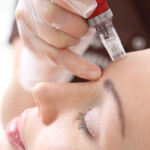
Some clinicians incorporate platelet-based preparations into broader treatment plans that may include microneedling or other procedures. The rationale is to combine different approaches to skin rejuvenation.
However, combination treatments are not automatically better than a single procedure. The potential benefit, additional cost, recovery requirements, and risks should be considered individually.
For Hair Restoration
PRP has been studied for selected types of hair loss, particularly certain forms of nonscarring hair loss. PRF is also discussed in regenerative hair-treatment settings, but evidence and protocols vary.
Hair loss has many possible causes, including hormonal, genetic, nutritional, inflammatory, and medical factors. A proper assessment is necessary before selecting a treatment, and neither PRF nor PRP should be presented as a universal solution for hair loss.
PRF vs. PRP vs. Other Aesthetic Treatments
Platelet-based treatments address different concerns from treatments that relax muscles, replace volume, or target pigment and texture using energy-based devices.
| Treatment | Primary Purpose | Key Consideration |
|---|---|---|
| PRF | Selected regenerative applications | Results and evidence vary by protocol |
| PRP | Selected regenerative and aesthetic applications | Preparation characteristics vary between systems |
| Hyaluronic acid fillers | Volume replacement and contouring | Injection risks and product-specific considerations |
| Botulinum toxin | Temporary reduction of targeted muscle activity | Does not directly replace lost volume |
| Microneedling | Controlled skin stimulation for selected texture concerns | Technique, skin condition, and aftercare affect suitability |
| Laser treatments | Selected pigmentation, texture, and skin-resurfacing concerns | Device, settings, skin type, and downtime vary |
The best treatment is the one that appropriately addresses the patient’s specific concern. A qualified clinician should explain why a procedure is being recommended and what alternatives may offer a better balance of expected benefit, cost, and risk.
Who Is a Good Candidate for PRF or PRP?
Potential candidates are adults who have a specific treatment goal, understand the limitations of platelet-based procedures, and have been assessed as medically suitable by a qualified professional.
Depending on the application, a clinician may consider these treatments for patients who:
- Want to explore selected regenerative aesthetic options.
- Have concerns about fine lines or skin quality that may be suitable for the proposed procedure.
- Understand that improvement can be subtle and variable.
- Can follow the recommended preparation and aftercare instructions.
- Are willing to consider alternatives when a different treatment is more appropriate.
Who May Need Additional Medical Evaluation?
Not everyone is an appropriate candidate for PRF or PRP. The clinician should review relevant medical history and consider conditions that could affect blood collection, platelet function, healing, or infection risk.
Factors requiring further assessment may include:
- Platelet disorders or certain blood conditions.
- Significant anemia or other problems affecting blood health.
- Active infection or inflammation in the treatment area.
- Bleeding disorders or medications that affect clotting.
- Some autoimmune or systemic medical conditions.
- Pregnancy or breastfeeding, when elective treatment may be deferred because safety information is limited.
- A history of poor healing or complications after previous procedures.
This list is not exhaustive, and a condition does not necessarily exclude every patient from treatment. Suitability must be determined individually.
Patients should never stop prescribed medication, including blood thinners or aspirin, without consulting the clinician responsible for prescribing it.
What to Expect During a PRF or PRP Appointment
1. Consultation and Treatment Planning
The process begins with a discussion of the patient’s goals, medical history, current medications, and previous aesthetic procedures. The practitioner should assess the concern and explain whether PRF, PRP, or another treatment is appropriate.
Patients should receive clear information about expected outcomes, limitations, risks, costs, and possible alternatives before making a decision.
2. Blood Collection
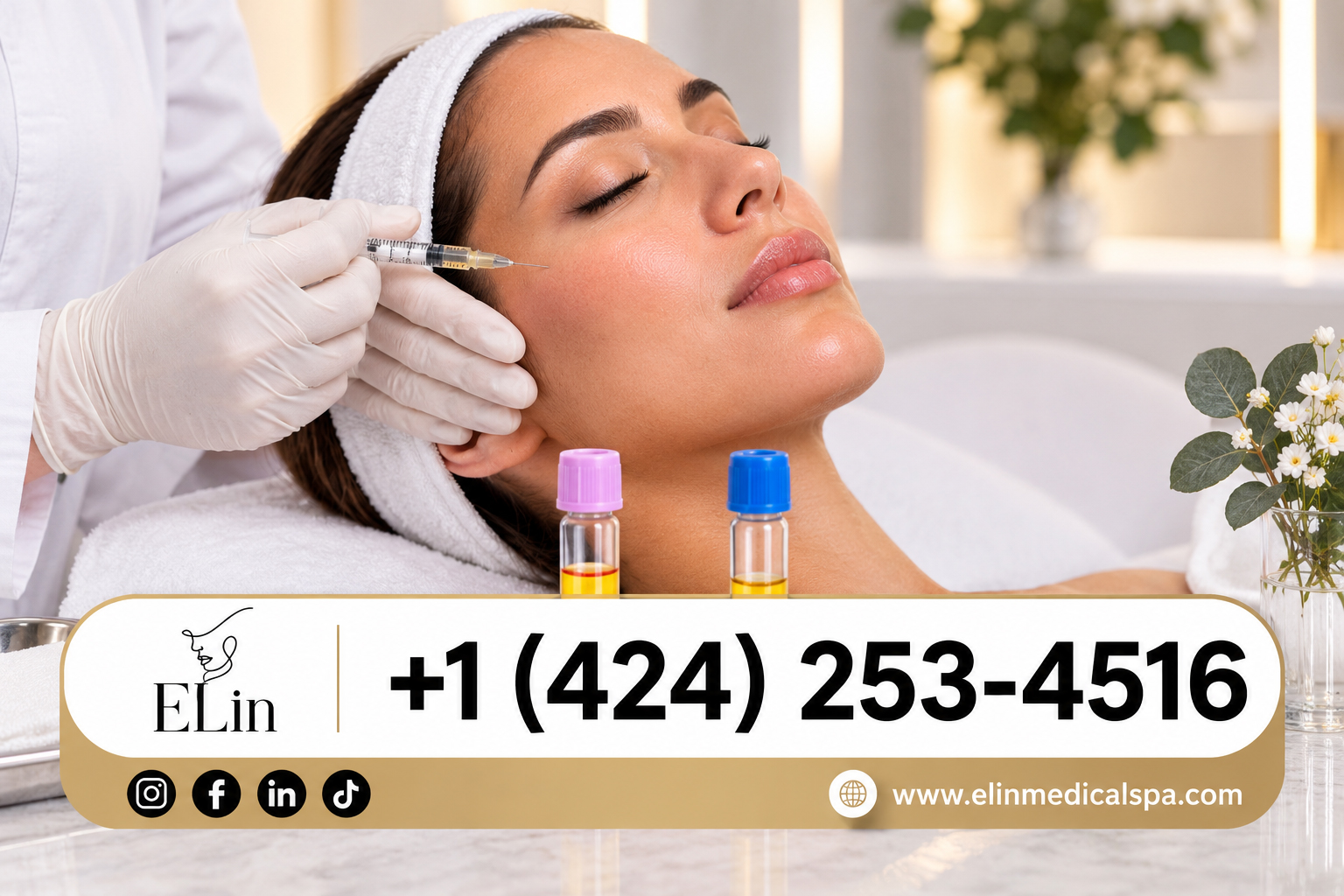
A small blood sample is collected using sterile equipment. Temporary discomfort, bruising, or lightheadedness can occur during or after the blood draw.
3. Preparation of the Selected Product
The blood is processed using the protocol selected for the intended preparation. PRP and PRF require different handling approaches, so processing and timing should be appropriate for the system being used.
4. Administration
The practitioner administers the preparation using a technique suited to the treatment area. The injection location, depth, and amount depend on the clinical objective and facial anatomy.
Injections around the eyes and other areas containing important blood vessels require particular expertise because rare but serious complications are possible.
5. Aftercare and Follow-Up
Patients should receive specific instructions about skin care, activity, and symptoms that require medical attention. Follow-up can help assess the response and determine whether additional treatment is appropriate.
Recovery and Aftercare: PRF vs. PRP
Recovery varies according to the treatment area, injection technique, and whether another procedure is performed at the same appointment. Both PRF and PRP may cause temporary redness, tenderness, swelling, or bruising.
General aftercare instructions may include:
- Keep the treated area clean and handle the skin gently.
- Avoid rubbing or massaging the area unless specifically instructed.
- Follow the clinician’s advice about exercise and other strenuous activities.
- Delay irritating skin-care products until the practitioner confirms that they can be resumed.
- Use appropriate sun protection and limit unnecessary sun exposure.
- Attend recommended follow-up appointments.
- Contact the treating clinic if symptoms worsen or unexpected reactions occur.
Patients should ask when they can safely resume makeup, retinoids, exfoliating acids, and other active skin-care products. Instructions may differ depending on the procedure.
Seek urgent medical assessment for severe or increasing pain, spreading redness, fever, unusual skin discoloration, or other concerning symptoms. Sudden visual changes or severe eye pain following facial injections require emergency medical attention.
When Will You See Results?
PRF and PRP are not generally intended to create the immediate, predictable volume change associated with a conventional dermal filler. Any cosmetic improvement depends on the biological response and the treatment protocol.
Some patients may notice changes over the following weeks, while others may experience little visible improvement. Temporary swelling can also influence early appearance, so the initial result should not be confused with the final outcome.
| General Time Frame | What to Expect |
|---|---|
| First few days | Temporary swelling, tenderness, redness, or bruising may occur. |
| Following one to two weeks | Many short-term reactions improve, although recovery varies. |
| Following several weeks | Some patients may notice gradual changes in the treated area. |
| One to three months | The practitioner may assess the outcome and discuss next steps. |
These time frames are general estimates rather than guaranteed milestones. The duration and extent of improvement are not reliably predictable for every patient.
How Many Sessions Are Needed?
The number of sessions depends on the treatment area, the preparation protocol, the patient’s response, and the intended outcome. Some protocols involve a series of treatments, while others follow a different schedule.
A practitioner should explain the reasoning behind the proposed number of sessions and assess whether further treatment is justified by the response. Patients should be cautious about packages that promise identical outcomes regardless of individual circumstances.
How Long Do Results Last?
There is no single duration that applies to every PRF or PRP treatment. The available evidence varies by indication, protocol, and follow-up period.
Skin aging continues after treatment. Sun exposure, genetics, smoking, general health, and normal age-related changes can influence the appearance of the skin over time. Maintenance may be discussed, but repeated treatment should not be presented as automatically necessary.
Safety Considerations and Potential Risks
Using a patient’s own blood does not make PRF or PRP risk-free. Both treatments involve blood collection and preparation, and many aesthetic applications also involve injections.
Potential risks include:
- Temporary pain or tenderness.
- Bruising, swelling, and redness.
- Temporary lumps or unevenness.
- Infection related to inadequate sterile technique.
- Inflammation or delayed healing.
- Injury to nearby structures.
- Rare but serious injection-related vascular complications.
The specific risks depend on the preparation, treatment area, technique, and patient’s medical history. A qualified professional should explain these risks before treatment and provide a clear plan for addressing complications.
Why Practitioner Qualifications Matter
Facial anatomy is complex, and the consequences of an injection complication can be significant. Patients should verify that the professional performing the procedure has appropriate training, qualifications, and authorization for the treatment.
It is reasonable to ask about the preparation system, infection-control procedures, experience with the proposed treatment area, and access to appropriate medical support if a complication occurs.
Patients should also be cautious of claims that promise permanent rejuvenation, guaranteed collagen production, complete removal of dark circles, or identical results for every individual.
How Much Do PRF and PRP Cost in Beverly Hills?
The cost of PRF vs. PRP in Beverly Hills varies according to the provider, treatment area, preparation method, number of sessions, and whether the procedure is combined with other services.
A small treatment area may involve a different protocol and price from a broader facial treatment. A series of appointments may also have a different total cost from a single session.
Because prices and service offerings change, patients should request a current quote directly from the practice rather than relying on a general online estimate.
What Should a Treatment Quote Include?
When comparing providers, ask whether the quoted price includes:
- The initial consultation and assessment.
- Blood collection and preparation.
- Administration of the selected treatment.
- Follow-up appointments.
- Additional procedures, if recommended.
- Aftercare instructions and access to clinical support.
The lowest price does not necessarily represent the best value. Appropriate patient selection, practitioner qualifications, preparation standards, and transparent communication are important parts of safe aesthetic care.
How to Choose a Provider for PRF or PRP in Beverly Hills
Choosing a provider involves more than comparing promotional offers or before-and-after photographs. Patients should evaluate clinical standards, the quality of the consultation, and whether the recommended treatment matches their concerns.
Evaluate Credentials and Treatment Experience
Ask who evaluates patients and who performs the procedure. Confirm that the practitioner has the qualifications and authorization required for the services offered.
The provider should be able to explain how the preparation is produced, how the sample is handled, and what infection-control measures are followed.
Look for Individualized Recommendations
A responsible consultation should identify the underlying concern before recommending a procedure. A patient with dynamic wrinkles may need a different approach from someone with thin under-eye skin, pigmentation, or substantial volume loss.
The practitioner should be willing to explain when PRF or PRP may not be the best choice. A treatment recommendation should be based on clinical suitability rather than the assumption that every patient benefits from the same service.
Ask About Evidence and Expected Outcomes
Patients should ask what improvement is reasonably expected for their specific concern and what evidence supports the proposed treatment. Before-and-after photographs can provide context, but lighting, camera angle, facial expression, and the timing of photographs can influence their appearance.
Honest communication about uncertainty is an important part of informed consent.
Frequently Asked Questions About PRF vs. PRP in Beverly Hills
1. What is the main difference between PRF and PRP?
PRF contains platelets within a fibrin-rich matrix, while PRP is a platelet-concentrated plasma preparation. Their preparation methods and characteristics differ, but the best choice depends on the intended application and clinical evidence.
2. Is PRF better than PRP for facial rejuvenation?
Neither treatment is universally better. Both have been explored for selected aesthetic applications, and outcomes vary by preparation, technique, treatment area, and patient characteristics.
3. Which treatment is better for under-eye rejuvenation?
PRF and PRP may be considered for selected under-eye concerns, but suitability depends on whether the issue involves skin texture, pigmentation, visible blood vessels, fluid retention, or volume loss. The under-eye area requires careful assessment and appropriate clinical expertise.
4. Do PRF and PRP stimulate collagen?
Both contain biological components associated with tissue repair, and researchers have investigated their influence on collagen-related processes. The degree of collagen remodeling and the visible cosmetic benefit cannot be guaranteed for an individual patient.
5. Are PRF and PRP natural treatments?
Both are derived from the patient’s own blood. However, natural or autologous does not mean risk-free. Blood collection, preparation, and injections require appropriate clinical standards.
6. How long does a PRF or PRP appointment take?
The appointment length depends on consultation requirements, blood collection, processing, treatment administration, and whether other procedures are performed. Patients should ask the clinic for the expected duration of their specific appointment.
7. Is there downtime after PRF or PRP?
Temporary swelling, redness, tenderness, and bruising may occur. Recovery depends on the treatment area and technique. The practitioner should provide individualized aftercare instructions.
8. How many sessions are usually required?
The number of sessions depends on the treatment protocol, indication, and individual response. A qualified practitioner should recommend a schedule based on clinical assessment rather than a universal formula.
9. Can PRF or PRP replace dermal fillers?
No. Platelet-based treatments and dermal fillers have different purposes. Fillers are designed to add volume or improve contour, while PRF and PRP are used for selected regenerative applications. Some patients may need a different approach altogether.
10. Are there side effects associated with PRF and PRP?
Possible side effects include pain, bruising, swelling, redness, and infection. Injection-related complications can be more serious in certain facial areas. Patients should understand the risks before consenting to treatment.
11. Who should avoid PRF or PRP?
Some patients with blood disorders, active infections, relevant bleeding problems, or other medical conditions may require additional assessment or may not be suitable candidates. A clinician should review medical history and medications before treatment.
12. How much do PRF and PRP treatments cost in Beverly Hills?
Pricing varies according to the provider, treatment area, preparation method, and number of sessions. Request a personalized quote that explains what is included in the total cost.
13. Can PRF and PRP be combined with other procedures?
They may be combined with selected procedures when clinically appropriate. The potential benefit, safety, timing, and additional cost should be evaluated individually rather than assuming that combining treatments will improve results.
14. Are PRF and PRP permanent anti-aging treatments?
No. Neither treatment stops the natural aging process, and the durability of any cosmetic improvement varies. Long-term outcomes depend on individual factors and the treatment protocol.
15. What should I ask during a consultation?
Ask which concern the treatment is expected to address, what evidence supports its use, what results are realistic, who will perform the procedure, what risks are involved, how much the complete treatment plan costs, and which alternatives may be appropriate.
Conclusion: Choosing Between PRF and PRP
The comparison of PRF vs. PRP in Beverly Hills is not simply a question of which preparation is newer or more advanced. Both are derived from the patient’s own blood, and both have been explored for selected regenerative and aesthetic applications. Their differences in composition and preparation may influence how they are used, but neither treatment guarantees a particular cosmetic outcome.
PRF may be considered when a clinician believes its fibrin-rich preparation is suitable for the intended application. PRP may be appropriate in other settings where its particular preparation and supporting evidence align with the patient’s goals. In both cases, individual assessment, practitioner expertise, safety standards, and realistic expectations are essential.
Before deciding, consider the specific concern you want to address, the evidence for the proposed treatment, the potential risks, and the total cost. A qualified medical professional can help you determine whether PRF, PRP, another aesthetic treatment, or no procedure is the most appropriate choice.
Explore Your Regenerative Aesthetic Options
If you are considering PRF or PRP and want to understand which approach may suit your skin concerns, begin with an individualized consultation. Discuss your goals, medical history, expected outcomes, and available alternatives before making a treatment decision.
Learn more about the practice and its aesthetic services at Elin Medical Spa.
Your treatment plan should be based on your individual needs, a careful assessment, and realistic expectations about what regenerative aesthetics can achieve.
Have a question about this treatment? Our Beverly Hills team will help you choose what fits your goals.