






PRF Facial Rejuvenation in Beverly Hills: Benefits for Aging Skin

However, choosing a regenerative treatment requires more than understanding its potential benefits. The preparation method, treatment area, individual anatomy, medical history, and realistic expectations all influence whether PRF is an appropriate option.
This guide explores three essential areas: how PRF works and why it is used for aging skin, what patients can expect before and after treatment, and how to evaluate candidacy, safety, and alternatives when considering aesthetic care in Beverly Hills.
Quick Summary: What to Know About PRF Facial Rejuvenation
- PRF explained: Platelet-rich fibrin is an autologous preparation made from a patient’s own blood that contains platelets, fibrin, and signaling molecules involved in the body’s repair processes.
- Potential skin benefits: PRF may support improvements in skin texture, fine lines, and the appearance of certain under-eye concerns, although outcomes vary and evidence is still developing.
- Natural approach: PRF uses the patient’s own biological material rather than a conventional synthetic dermal filler.
- Gradual results: Changes generally develop over time, and some patients may need a series of treatments rather than a single session.
- Individual suitability: A consultation is essential to determine whether PRF is appropriate for the treatment area, health history, and desired outcome.
- Safety matters: Temporary swelling, bruising, tenderness, and redness can occur. More significant complications are possible, particularly with injections around the eyes.
What Is PRF Facial Rejuvenation?
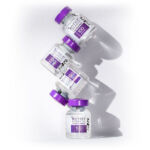
PRF stands for platelet-rich fibrin. It is a biological preparation created by processing a sample of a patient’s blood using a specific centrifugation protocol. The resulting material contains a concentrated platelet component within a fibrin matrix, along with varying amounts of white blood cells and other blood components depending on the preparation method.
Platelets are best known for their role in blood clotting, but they also release growth factors and other signaling molecules involved in tissue repair. The fibrin matrix provides a biological structure that can influence how these components are retained and released.
In aesthetic medicine, PRF may be used in selected facial rejuvenation procedures to support skin quality and address certain signs of aging. Treatment methods vary, and the preparation may be injected into specific areas or used alongside other procedures when clinically appropriate.
PRF is not a permanent filler, a surgical facelift, or a replacement for every established skin treatment. Its purpose is different: it aims to support biological processes that may contribute to gradual changes in the appearance of treated tissue.
How PRF Differs from Conventional Fillers
Traditional hyaluronic acid fillers are designed primarily to add volume, soften selected folds, or improve facial contours. PRF does not provide the same predictable, immediate structural volume. Instead, it is used with the intention of supporting tissue quality through the activity of platelets and associated biological components.
This distinction is important for anyone seeking treatment. A person with pronounced volume loss may benefit more from a carefully selected filler or another treatment, while someone primarily interested in subtle improvements in skin quality may wish to discuss PRF with a qualified provider.
How PRF May Support Aging Skin
Skin aging involves several overlapping changes. Collagen and elastin networks gradually change, skin may become thinner or less resilient, and cumulative sun exposure can contribute to uneven pigmentation, rough texture, and fine lines. Facial fat distribution and underlying structures also change with age.
PRF is intended to influence selected aspects of the skin’s repair environment. Its potential effects should be understood in the context of the available evidence rather than as a guarantee of skin regeneration.
1. Supporting Collagen-Related Processes
Collagen is a structural protein that helps skin maintain strength and firmness. Platelet-derived signaling molecules participate in biological pathways involved in tissue repair, and PRF is used in aesthetic medicine with the goal of supporting these processes.
Some clinical studies of platelet-based treatments suggest possible improvements in skin quality and fine lines. However, research specifically evaluating PRF for facial rejuvenation remains limited by differences in preparation methods, injection techniques, treatment schedules, and outcome measurements.
Patients should therefore view collagen support as a treatment rationale, not proof that PRF will produce a particular degree of tightening or reverse established skin aging.
2. Improving the Appearance of Fine Lines
Fine lines can become more noticeable as skin loses elasticity, hydration, and structural support. PRF may help improve the appearance of certain superficial lines in appropriately selected patients, although the extent of improvement is variable.
Deeper folds caused by substantial volume loss or repeated muscle movement may not respond adequately to PRF alone. Depending on the underlying cause, other options may include neuromodulators, dermal fillers, resurfacing procedures, or a combination of treatments.
3. Addressing Selected Under-Eye Concerns
The under-eye area is one of the most delicate regions of the face. Thin skin, visible blood vessels, pigmentation, hollowing, fluid retention, and changes in the supporting structures can all contribute to a tired appearance.
PRF is sometimes considered for patients who want to address selected under-eye concerns without relying exclusively on conventional fillers. The treatment may be discussed when skin quality and fine lines are the main concerns.
Nevertheless, dark circles have multiple causes, and PRF will not necessarily improve every type. Pigmentation, prominent veins, allergies, tear-trough anatomy, and under-eye bags may require different approaches. Injections in this region also carry important risks and should be performed only by an appropriately trained medical professional who understands the anatomy.
4. Supporting Overall Skin Quality
Some patients pursue regenerative treatments because they want their skin to look healthier without a dramatic change in facial shape. Depending on the individual and treatment protocol, PRF may be considered as part of a plan addressing fine texture changes and early signs of aging.
It is important to distinguish this goal from treating acne scars, substantial laxity, deep wrinkles, or significant pigmentation. These concerns may require different technologies or a broader treatment plan. PRF should not be presented as a universal solution for all skin-quality concerns.
Who May Be a Candidate for PRF Facial Rejuvenation in Beverly Hills?
Good candidates are generally people seeking gradual, potentially subtle improvements in selected aspects of skin quality and who understand the limitations of regenerative treatments. A consultation helps establish whether the expected benefits justify the costs, risks, and recovery period.
PRF may be worth discussing if you:
- Notice early fine lines or changes in skin texture.
- Want to explore a treatment prepared from your own blood.
- Prefer a gradual approach rather than an immediate, substantial change in facial volume.
- Have realistic expectations about the level of improvement possible.
- Can follow pre-treatment and aftercare instructions.
- Are willing to consider alternatives if PRF is unlikely to address the underlying concern.
Being interested in a natural-looking treatment does not automatically make someone a suitable candidate. The provider should review medical history, medications, previous aesthetic procedures, current skin conditions, and any factors that could affect blood collection, healing, or injection safety.
When PRF May Not Be Appropriate
Suitability depends on the patient’s health and the proposed procedure. Active skin infections at the treatment site, certain blood disorders, significant platelet abnormalities, and some medical conditions may affect eligibility. Anticoagulant or antiplatelet medications can also be relevant to bleeding and bruising risk.
Patients should disclose all prescription medications, over-the-counter products, and supplements during the consultation. Never discontinue a prescribed medication or change a treatment plan without guidance from the prescribing clinician.
Pregnancy, breastfeeding, immune-related conditions, a history of unusual bleeding, or other significant health concerns may require postponement, additional assessment, or avoidance of treatment. The appropriate decision must be made individually rather than through a general online checklist.
PRF vs. PRP: Understanding the Difference
PRP stands for platelet-rich plasma. Like PRF, it is prepared from a patient’s blood and used in selected regenerative medicine and aesthetic procedures. The two preparations differ in how they are processed and in the characteristics of the resulting material.
PRP protocols commonly use anticoagulants during processing, while conventional PRF protocols generally avoid them and use controlled centrifugation to create a fibrin-rich preparation. Specific methods vary by system and clinical application, so not every PRF or PRP product has identical characteristics.
| Feature | PRF | PRP |
|---|---|---|
| Full name | Platelet-rich fibrin | Platelet-rich plasma |
| Preparation | Typically processed without anticoagulants using a protocol that promotes fibrin formation | Commonly processed using anticoagulants and a protocol designed to concentrate platelets |
| Material characteristics | Contains a fibrin matrix and platelets, with composition depending on the protocol | A platelet-concentrated plasma preparation with characteristics that vary by protocol |
| Potential aesthetic use | Selected skin-quality and facial rejuvenation procedures | Selected skin-quality and regenerative procedures |
| Evidence limitations | Clinical evidence remains developing, with variable protocols and outcomes | Evidence also varies by indication, preparation, and treatment technique |
| Best choice | Depends on the patient’s concerns, health, and clinician’s assessment | Depends on the patient’s concerns, health, and clinician’s assessment |
Neither treatment is universally superior. Differences in preparation do not establish that one option always produces better results, lasts longer, or is safer for every patient. The treatment decision should be based on the intended outcome, the provider’s expertise, the specific protocol, and the available clinical evidence.
What Happens During a PRF Facial Rejuvenation Appointment?
The exact process varies by clinic and treatment area, but a typical appointment involves several stages.
1. Consultation and Assessment
The provider reviews your concerns, medical history, current medications, and previous cosmetic treatments. They assess the treatment area and discuss whether PRF is likely to address the problem you want to improve.
Photographs may be taken with your consent to document the baseline appearance and help evaluate changes later. A responsible consultation should also cover alternatives, potential complications, costs, and the possibility of limited improvement.
2. Blood Collection and Processing
A small blood sample is collected using appropriate clinical procedures. The sample is then processed in a centrifuge according to the selected protocol. The resulting preparation is used within the appropriate timeframe and under suitable infection-control conditions.
Proper handling is essential. Patients should feel comfortable asking about sterile technique, staff qualifications, equipment, and how the preparation is handled before administration.
3. Treatment Administration
Depending on the treatment plan, the provider may administer PRF through targeted injections. Some protocols combine PRF with other procedures, but combination treatment should be justified by the patient’s needs rather than offered as a default.
Discomfort varies by treatment area and individual sensitivity. A qualified provider should explain whether a topical anesthetic or another comfort measure is appropriate.
4. Aftercare and Follow-Up
After treatment, the provider gives instructions tailored to the procedure. These may include temporary restrictions on strenuous activity, skincare products, makeup, heat exposure, or other treatments, depending on the technique used.
Follow-up allows the clinician to assess healing, discuss any concerns, and determine whether additional sessions are appropriate. Patients should receive clear instructions about whom to contact if symptoms develop after leaving the clinic.
When Will You See Results?
PRF facial rejuvenation is not usually associated with the immediate, predictable volume change produced by a conventional filler. Any improvement in skin quality may develop gradually as the treated tissue responds over time.
The timeline depends on the treatment area, preparation method, individual healing response, baseline skin condition, and whether other procedures are performed at the same time. Some patients may notice changes over the following weeks, while others may see little visible improvement.
There is no single guaranteed timeline or number of sessions that applies to everyone. A provider may recommend a series of treatments, but the schedule should be based on an individualized assessment and the evidence supporting the proposed protocol.
What Influences the Outcome?
- Age and skin condition: The degree and cause of skin changes influence what a treatment can reasonably accomplish.
- Treatment area: Under-eye skin, cheeks, and other facial regions differ in thickness, anatomy, and healing characteristics.
- Preparation quality: Processing methods can affect the composition and characteristics of the PRF preparation.
- Provider technique: Appropriate patient selection, anatomical knowledge, sterile handling, and injection technique are important.
- Lifestyle and skincare: Sun exposure, smoking, sleep, and consistent skincare habits can influence overall skin appearance.
- Realistic expectations: PRF may be more appropriate for selected skin-quality concerns than for substantial laxity or volume loss.
Recovery, Side Effects, and Safety Considerations
Because PRF is prepared from the patient’s own blood, it avoids some concerns associated with introducing an unrelated biological material. However, using autologous material does not make a procedure risk-free. Blood collection and injections can still cause complications.
Common short-term effects may include:
- Temporary redness around injection sites.
- Swelling or puffiness.
- Bruising or mild bleeding.
- Tenderness or discomfort.
- Temporary sensitivity in the treated area.
Less common but more serious complications can include infection, persistent inflammation, tissue injury, and complications related to injection technique. Procedures around the eyes require particular care because of the complex anatomy and the potential severity of vascular complications.
Seek urgent medical attention for severe or increasing pain, unusual skin discoloration, rapidly worsening swelling, fever, vision changes, or any other concerning symptoms. Sudden visual symptoms following a facial injection are a medical emergency.
How to Prepare for Treatment
Before your appointment, provide a complete and accurate medical history. Tell the provider about allergies, bleeding problems, previous complications, recent procedures, and all medications or supplements you take.
Follow the clinic’s instructions about alcohol, exercise, skincare products, and other preparation steps. Recommendations can vary according to the procedure, and no medication should be stopped without approval from the clinician responsible for prescribing it.
Aftercare for the Best Possible Recovery
Follow the specific instructions provided by your treating clinician. Depending on the procedure, recommendations may include:
- Keeping the treatment area clean.
- Avoiding unnecessary touching or pressure on the treated skin.
- Using gentle skincare products while the area settles.
- Applying sun protection and limiting excessive sun exposure.
- Temporarily avoiding strenuous exercise or heat if advised.
- Attending scheduled follow-up appointments.
Do not assume that a treatment requires no downtime simply because it uses material from your own blood. Recovery varies, particularly when PRF is combined with microneedling, laser procedures, or other aesthetic treatments.
PRF Compared With Other Facial Rejuvenation Options
Choosing an appropriate treatment starts with identifying the underlying concern. Different procedures target different mechanisms of aging, and the most suitable option may not be the one with the most appealing name or trend.
| Treatment | Primary purpose | Important consideration |
|---|---|---|
| PRF | Supports selected regenerative and skin-quality goals | Results are variable, and evidence is still developing |
| PRP | Uses a platelet-concentrated blood preparation for selected applications | Outcomes depend on the indication and preparation protocol |
| Hyaluronic acid fillers | Adds volume and softens selected folds or contours | Requires careful placement and carries injection-related risks |
| Neuromodulators | Reduce selected expression-related lines by temporarily relaxing targeted muscles | Do not directly replace lost volume or treat every type of wrinkle |
| Microneedling | Creates controlled micro-injuries to stimulate a wound-healing response | Requires appropriate technique, hygiene, and aftercare |
| Laser resurfacing | Targets selected texture changes, sun damage, and other skin concerns | Device choice, skin type, downtime, and pigmentation risk matter |
These treatments are not interchangeable. A person with expression lines may benefit from a different approach than someone with under-eye hollows, pigmentation, or loose skin. A comprehensive consultation can help identify the primary concern and avoid paying for a treatment that does not match the desired result.
What to Look for When Choosing a PRF Provider in Beverly Hills
When evaluating PRF facial rejuvenation in Beverly Hills, prioritize medical qualifications, transparent communication, and appropriate patient selection over promotional promises. A reputable provider should explain both the potential benefits and the limitations of the procedure.
Before committing to treatment, consider asking the following questions:
- What medical qualifications and experience do you have with PRF facial treatments?
- Which preparation system and protocol will be used?
- Why is PRF appropriate for my particular concern?
- What results are realistic for my skin and anatomy?
- What complications should I understand before proceeding?
- Who performs the injections, and what emergency procedures are available?
- How many sessions might be considered, and what is the total expected cost?
- What alternatives would you recommend if PRF is unlikely to meet my goals?
- What follow-up support is available if I have an adverse reaction?
Be cautious of claims that PRF permanently reverses aging, guarantees collagen production, eliminates all dark circles, or works equally well for every patient. Before-and-after photographs can be useful, but they should be interpreted carefully because lighting, facial expression, camera position, and other treatments can affect the comparison.
Understanding the Cost of PRF Facial Rejuvenation
The cost of PRF treatment in Beverly Hills can vary according to the treatment area, provider’s qualifications, preparation system, appointment length, and number of sessions recommended. Combination procedures may also affect the total cost.
Rather than comparing prices alone, ask for a clear explanation of what the quoted fee includes. Confirm whether consultation, follow-up visits, additional sessions, and any complementary treatments are charged separately.
A lower initial price may not represent better value if the procedure is unsuitable for your concern or if important safety and follow-up services are missing. Conversely, a higher fee does not automatically establish superior clinical quality. The decision should reflect provider competence, transparency, and the appropriateness of the treatment plan.
Frequently Asked Questions About PRF Facial Rejuvenation
What is PRF facial rejuvenation used for?
PRF is used in selected aesthetic procedures intended to support skin quality and address certain concerns, including fine lines and some under-eye changes. The appropriate use depends on the patient’s anatomy, the provider’s assessment, and the treatment protocol.
Is PRF better than PRP for facial rejuvenation?
Not necessarily. PRF and PRP are prepared differently, but current evidence does not establish one as universally superior for every facial concern. The choice depends on the intended outcome, preparation method, clinical experience, and patient-specific factors.
How long does it take to see PRF results?
Any improvement generally develops gradually rather than appearing as an immediate volume change. The timeline varies with the treatment area, protocol, and individual response. No specific result or timeline can be guaranteed.
How many PRF sessions are needed?
The number of sessions depends on the treatment goal, the clinician’s protocol, and how the skin responds. Some patients may be offered a series, while others may not be suitable for repeated treatment. The plan should be individualized.
Is PRF safe for the under-eye area?
PRF may be considered for selected under-eye concerns, but injections in this region require particular caution. Swelling, bruising, infection, and more serious injection-related complications are possible. A qualified provider should assess the anatomy and explain the risks before treatment.
Does PRF facial rejuvenation hurt?
Discomfort varies by person and treatment area. Blood collection and injections may cause brief discomfort, while topical anesthetics or other comfort measures may be available depending on the procedure.
Is there downtime after PRF?
Some patients experience temporary redness, swelling, tenderness, or bruising. The duration varies, and additional procedures performed during the same appointment may increase recovery time. Follow the treating clinician’s instructions.
Can PRF remove dark circles permanently?
No treatment can guarantee permanent removal of dark circles. Their causes include pigmentation, visible blood vessels, hollowing, and under-eye bags. PRF may be considered for selected concerns, but other causes may require different treatments.
Can PRF replace dermal fillers?
PRF is not a direct replacement for fillers. Fillers are designed to provide volume or contour in selected areas, while PRF is used with the goal of supporting tissue quality. A clinician can help determine which approach, if any, matches your needs.
Who should avoid PRF treatment?
People with certain blood disorders, active infections, relevant medical conditions, or other factors affecting bleeding or healing may not be suitable candidates. Eligibility should be determined after a medical assessment rather than relying on general online advice.
How much does PRF facial rejuvenation cost in Beverly Hills?
Pricing varies by provider, treatment area, preparation method, and number of sessions. Ask for an individualized quote that explains what is included and whether follow-up care or additional sessions involve separate fees.
Can PRF be combined with other aesthetic treatments?
In selected cases, a clinician may consider combining PRF with other procedures. The decision should account for the patient’s skin condition, cumulative risks, recovery requirements, and evidence supporting the combination. Not every treatment should be performed in the same session.
Conclusion: Is PRF Facial Rejuvenation Right for You?
PRF facial rejuvenation in Beverly Hills may be an option for people interested in a regenerative approach to selected signs of skin aging. By using a preparation derived from the patient’s own blood, the treatment aims to support biological processes associated with tissue repair and skin quality.
Its potential benefits should be balanced against the limitations of current evidence, the possibility of temporary side effects, and the fact that different aging concerns require different treatments. PRF cannot guarantee collagen production, eliminate every wrinkle, or replace procedures designed to restore substantial volume or address pronounced skin laxity.
The most appropriate next step is a personalized assessment that considers your medical history, skin condition, expectations, and available alternatives. A careful, evidence-informed decision is more valuable than choosing a treatment based on trend or a promise of dramatic results.
Explore Personalized Aesthetic Care
If you are considering PRF for fine lines, under-eye concerns, or changes in skin quality, take time to understand which treatment best fits your goals. A professional consultation can help clarify candidacy, expected outcomes, potential risks, and suitable alternatives.
Learn more about the practice and available aesthetic services at Elin Medical Spa, and discuss your concerns with a qualified provider before deciding whether PRF facial rejuvenation is appropriate for you.
Have a question about this treatment? Our Beverly Hills team will help you choose what fits your goals.
More from our journal
 November 1, 2026
Best PRF Treatment in Beverly Hills: Choosing a Provider
Read article
 October 29, 2026
How Much Does PRF Cost in Beverly Hills? Factors That Affect Treatment Pricing
Read article
 October 28, 2026
PRF vs. PRP in Beverly Hills: Which Regenerative Treatment Is Better for You?
Read article