











Microneedling for Wrinkles: Real Results Explained
What if reducing wrinkles didn’t require invasive procedures or long recovery times? Microneedling has rapidly gained popularity as a minimally invasive treatment promising smoother, firmer, and more youthful‑looking skin. But does it truly deliver noticeable, lasting improvements, or is it just another beauty trend? In Microneedling for Wrinkles: Real Results Explained, we break down how this treatment works beneath the surface, stimulating collagen, renewing skin texture, and supporting natural regeneration. By understanding what actually happens during and after microneedling, you’ll be able to judge whether it’s the right anti‑aging solution for your skin goals. Before you invest, let’s explore the real science and real results behind the hype.
How Microneedling Works to Reduce Wrinkles
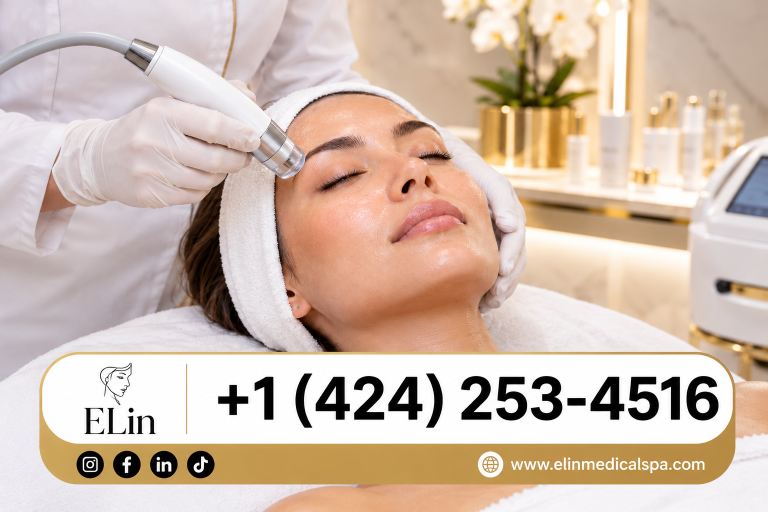
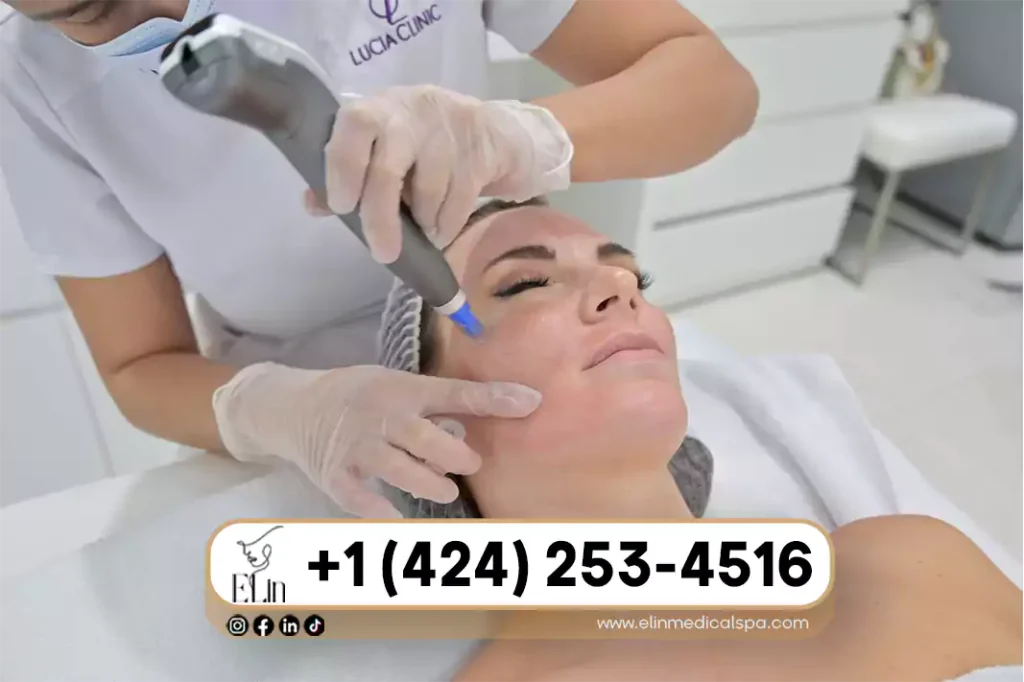
Microneedling reduces wrinkles through a controlled process of micro‑injury that stimulates the skin’s natural repair mechanisms. When fine needles create microscopic channels in the dermis, the body responds immediately by triggering wound‑healing pathways. These pathways involve the release of growth factors, fibroblast activation, and the production of new collagen and elastin fibers, two essential proteins responsible for firmness, elasticity, and smooth texture. Over time, these new structural components reorganize and tighten the skin, reducing the depth, length, and visibility of wrinkles.
This treatment also enhances cell turnover, prompting the removal of old or damaged cells and replacing them with healthier ones. As collagen remodeling continues for weeks or even months, fine lines gradually soften, and deeper wrinkles become less pronounced. Another important mechanism is increased absorption of topical serums. The microchannels created during treatment temporarily increase the permeability of the skin barrier, allowing anti-aging actives like hyaluronic acid, peptides, and vitamin C to penetrate more deeply and work more effectively.
Microneedling creates results that look natural because it relies entirely on the skin’s own biology. Unlike fillers or neurotoxins, it does not alter facial expressions or add artificial volume. Instead, it rebuilds structural strength from within. With repeated sessions, cumulative improvements occur, leading to smoother texture, improved firmness, and a noticeable reduction in visible signs of aging. This multi-layered regeneration is why microneedling is considered one of the most effective non-invasive wrinkle treatments available today.
The Science Behind Collagen Induction Therapy
Collagen Induction Therapy (CIT), the scientific foundation of microneedling, is based on the body’s ability to heal itself through controlled micro-injury. When the needles penetrate the skin, they reach the dermis, the layer where collagen and elastin fibers reside. This micro‑damage is not enough to cause scarring but is sufficient to activate a cascade of biological responses. The first stage is inflammation, in which platelets release growth factors like PDGF, TGF-β, and VEGF. These molecules signal fibroblasts to migrate to the injury site.
The second stage is proliferation. Fibroblasts begin producing new collagen type III, elastin, and glycosaminoglycans, helping rebuild the extracellular matrix. This creates a firmer, more elastic foundation for the skin. Over the next several weeks, collagen type III gradually transforms into collagen type I, stronger, more stable, and essential for youthful skin integrity.
The final remodeling stage can last up to six months. During this time, the new collagen fibers reorganize and align, progressively improving wrinkle depth, texture irregularities, and skin laxity. Unlike laser treatments that use heat, CIT works without thermal damage, making it safer for a wider range of skin tones and reducing the risk of pigmentation issues. Scientifically, microneedling provides measurable increases in collagen density, elasticity, and dermal thickness, explaining its long-lasting anti-aging benefits.
What Types of Wrinkles Respond Best to Microneedling?
Microneedling is effective for many types of wrinkles, but certain categories respond exceptionally well due to their structural nature. Fine lines, especially those caused by early collagen loss or dehydration, show some of the fastest improvement because they require minimal remodeling to smooth out. Periorbital wrinkles, commonly known as crow’s feet, also respond very well since the skin around the eyes is thin and reacts quickly to collagen induction.
Static wrinkles, which remain visible even when the face is relaxed, benefit significantly from microneedling because the treatment strengthens the deeper dermal layers. Perioral wrinkles around the mouth, often caused by aging or sun damage, improve as collagen rebuilds the skin’s structural support. Horizontal forehead lines and neck creases can also show considerable improvement when treated consistently across multiple sessions.
Even deep wrinkles can improve over time, although expectations must be realistic. While microneedling may not erase them completely, it can reduce their depth, soften their appearance, and improve overall skin quality. Wrinkles caused primarily by volume loss or repetitive muscle movement respond better when microneedling is combined with complementary treatments. Overall, microneedling offers one of the most versatile solutions for wrinkle reduction across different age groups and skin types.
Microneedling vs. Botox and Fillers for Wrinkle Treatment
•Microneedling stimulates natural collagen production, while Botox temporarily relaxes muscles to prevent expression lines from forming.
•Fillers add volume beneath deep wrinkles, whereas microneedling improves the skin’s surface and structural integrity.
•Results from microneedling develop gradually over weeks; Botox and fillers provide near-instant outcomes.
•Microneedling improves overall skin texture, tone, and pore size, benefits Botox and fillers cannot offer.
•Botox is ideal for dynamic wrinkles caused by facial movement; microneedling works better for static lines and general aging.
•Fillers reshape facial contours, while microneedling rebuilds collagen without altering facial features.
•Microneedling is safer for long-term use since it relies on natural healing rather than neurotoxins or volumizing gels.
•Downtime for microneedling is minimal redness; Botox has no downtime, while fillers may cause temporary swelling or bruising.
•Microneedling treats large areas like the full face and neck; Botox and fillers target specific zones only.
•Combining these treatments can offer comprehensive anti-aging results: Botox for movement lines, fillers for volume loss, and microneedling for global skin rejuvenation.
Visible Results Timeline: When Do Wrinkles Start to Improve?
| Stage | Timeframe | What Happens | Visible Changes |
| Initial Healing | 24-72 hours | Redness subsides, micro‑channels close | Skin feels tighter but results not visible |
| Early Collagen Activation | 1-2 weeks | Fibroblasts begin collagen production | Fine lines start to appear softer |
| Collagen Proliferation | 3-4 weeks | New collagen type III forms | Wrinkles look less deep, skin smoother |
| Remodeling Phase | 6-8 weeks | Collagen converts to type I | Noticeable wrinkle reduction and improved firmness |
| Peak Improvement | 3-6 months | Continued remodeling | Maximum visible results, best texture and elasticity |
Read more: Microneedling Guide 2026
Ideal Needle Depth for Treating Different Wrinkle Types
Different wrinkle types require specific needle depths to achieve optimal results while maintaining safety. Fine superficial lines typically respond well to shallow penetration between 0.25 mm and 0.5 mm, which stimulates epidermal renewal without reaching deeper tissue. Medium-depth wrinkles, such as early static lines, benefit from needles ranging between 0.75 mm and 1.0 mm. These depths effectively target the dermis, where collagen fibers need reinforcement.
For deeper wrinkles or areas with significant collagen loss, like the nasolabial folds or deeper forehead lines, needle depths of 1.5 mm may be used by professionals. These deeper treatments trigger robust collagen remodeling but must be performed carefully to avoid complications. Proper depth selection ensures controlled micro-injury, maximizing wrinkle reduction while minimizing downtime.
How Many Microneedling Sessions Are Needed for Wrinkles?
Most individuals require multiple microneedling sessions to achieve significant wrinkle reduction. Typically, a series of three to six treatments spaced four to six weeks apart yields the most consistent improvements. This spacing allows the skin to complete its collagen-building cycle before each new session. Fine lines may show improvement after just one or two treatments, while deeper wrinkles often require the full series.
Maintenance sessions every six to twelve months help sustain results as natural aging continues. The exact number of sessions depends on factors such as skin age, wrinkle severity, lifestyle habits, and response to the treatment. Consistency is essential for maximizing long-term collagen production and achieving visibly smoother, firmer skin.
Combining Microneedling with PRP or Serums for Better Results
Microneedling becomes significantly more effective when paired with biologically active serums or Platelet‑Rich Plasma (PRP). PRP contains concentrated growth factors that accelerate healing and enhance collagen production. When applied during microneedling, these molecules penetrate deeply through microchannels, intensifying tissue regeneration. This combination often results in faster recovery, greater firmness, and more dramatic wrinkle reduction.
Similarly, serums containing hyaluronic acid, peptides, and antioxidants benefit from enhanced absorption when used immediately after microneedling. The increased permeability allows these ingredients to reach deeper layers, improving hydration, elasticity, and skin radiance. Combining treatments maximizes anti-aging results by addressing multiple skin concerns simultaneously.
Post‑Treatment Skin Care to Maximize Anti‑Wrinkle Results
Proper aftercare is crucial for optimizing microneedling outcomes. In the first 24 hours, the skin is highly sensitive, so only soothing, non-irritating products should be used, typically hyaluronic acid and gentle moisturizers. Avoiding makeup, sunscreen, and active ingredients like retinoids or exfoliants prevents irritation. As the skin begins to heal, incorporating peptides, ceramides, and growth factor serums enhances collagen production.
Sun protection becomes critical after 24 hours. Applying a mineral sunscreen prevents UV damage, which can hinder the collagen-building process. Consistent hydration, gentle cleansing, and avoiding harsh products for several days allow the skin to recover fully. With proper care, results become more visible and long-lasting.
Common Mistakes That Reduce Microneedling Effectiveness
Several common mistakes can diminish the effectiveness of microneedling. Using active ingredients like retinol or acids too soon after treatment can irritate the skin and interfere with the healing process. Performing sessions too frequently prevents proper collagen remodeling, leading to suboptimal results. Poor hygiene, such as touching the face with unwashed hands, can introduce bacteria and cause inflammation or infection.
Another mistake is failing to use sunscreen. UV exposure breaks down collagen and can reverse microneedling benefits. Using low-quality serums or incorrect needle depths may also reduce treatment impact. Following professional guidelines and proper aftercare ensures the safest and most effective outcomes.
Who Is a Good Candidate for Microneedling for Wrinkles?
Microneedling is a versatile anti‑aging treatment, but it delivers the best results for individuals whose skin meets certain characteristics. Ideal candidates are usually those experiencing early to moderate signs of aging, such as fine lines, mild static wrinkles, and overall skin dullness, who want a natural, non‑invasive approach to rejuvenation. People in their late 20s to late 50s often benefit the most, as their skin still retains enough regenerative ability to respond strongly to collagen induction therapy.
This treatment is especially effective for those who want noticeable improvements without relying on fillers or Botox. If someone prefers a method that enhances their natural collagen rather than altering facial expressions or adding artificial volume, microneedling becomes an excellent match. It’s also suitable for individuals with sun‑damaged skin, enlarged pores, or mild textural irregularities, since the procedure boosts cell turnover and strengthens the dermal structure.
Good candidates are typically in overall good health, maintain realistic expectations, and understand that results appear gradually. Someone seeking instant transformation may find other treatments more appropriate. Microneedling is also ideal for people wanting minimal downtime, since redness fades within hours to days, with no long-term disruption.
However, the best candidates are those without active acne, infections, open wounds, or inflammatory skin conditions like eczema and psoriasis in the treatment area. People who form keloids or have poor wound-healing tendencies should consult a specialist before treatment.
Overall, individuals who want natural, progressive improvement and are willing to commit to multiple sessions will see the most dramatic wrinkle reduction. With the right skin profile and consistent aftercare, microneedling can deliver impressively youthful and long‑lasting results.
Potential Side Effects and Safety Considerations Before Microneedling
Microneedling is generally considered a safe and low‑risk treatment when performed by a trained professional, but like any skin procedure, it comes with potential side effects and important safety considerations. Understanding these factors helps individuals decide if the treatment aligns with their skin needs and health conditions.
The most common side effects are temporary redness, mild swelling, and sensitivity, similar to a light sunburn. These reactions usually fade within 24-72 hours as the skin begins its natural healing process. Some individuals may also experience mild peeling, dryness, or a feeling of tightness, which are normal signs of increased cell turnover.
However, there are more sensitive considerations to keep in mind. People with active acne, rosacea flare-ups, or skin infections should avoid microneedling until their condition stabilizes, as the procedure can worsen inflammation. Those prone to keloids or abnormal scarring must proceed with caution, since micro‑injury could potentially trigger excessive tissue formation. Individuals using retinoids, strong exfoliants, or acne medications like isotretinoin should pause or adjust their regimen, as overly sensitized skin increases the risk of irritation.
Hygiene is another crucial safety factor. When performed with sterile equipment, the risk of infection is extremely low, but unprofessional environments or improper aftercare can compromise the skin barrier. Sun protection is essential after treatment, as the skin becomes more vulnerable to UV damage during the healing phase.
Pregnant individuals, people with bleeding disorders, or those on anticoagulant medications should consult a medical professional before undergoing microneedling. Considering these safety factors ensures that the treatment is both effective and risk‑free, providing smoother, firmer skin with minimal complications.
Long-Term Skin Remodeling: What Happens Beneath the Surface After Microneedling?
One of the most important yet often overlooked aspects of microneedling is that the treatment continues working long after the procedure itself is finished. While many people focus on the temporary redness or the short recovery period, the real transformation happens deep within the skin over the following weeks and months. Microneedling activates a long-term remodeling process that gradually strengthens the skin’s internal structure and improves visible signs of aging from within.
After the micro-injuries are created, the body immediately begins repairing damaged tissue through a highly organized healing response. Fibroblast cells become activated and start producing fresh collagen and elastin fibers. These proteins are essential for maintaining firmness, elasticity, and smooth skin texture. As collagen levels increase, weakened areas beneath wrinkles become denser and more supportive, causing lines and folds to appear softer and less noticeable over time.
Another important benefit of this remodeling process is improved skin resilience. Newly formed collagen helps the skin better retain hydration and resist environmental stressors such as UV damage and pollution. Blood circulation within the treated areas also improves, increasing oxygen and nutrient delivery to skin cells. This contributes to a healthier, brighter complexion and a more youthful appearance overall.
Unlike treatments that produce only temporary cosmetic changes, microneedling encourages the skin to rebuild itself naturally. Because collagen remodeling is gradual, results tend to appear progressively rather than overnight. Many individuals notice continued improvement for up to six months after a treatment series. This delayed yet long-lasting regeneration is one of the key reasons microneedling remains a leading non-invasive option for wrinkle reduction and overall skin rejuvenation.
FAQ
- How soon will I see results after microneedling for wrinkles?
Most people notice early improvements within 1-2 weeks, with the best results appearing between 6-12 weeks as collagen rebuilds.
- How many sessions are typically needed for visible wrinkle reduction?
A series of 3-6 sessions spaced 4-6 weeks apart delivers the most consistent anti‑aging benefits.
- Is microneedling painful?
A topical numbing cream is usually applied, making the treatment mildly uncomfortable rather than painful.
- Can microneedling remove deep wrinkles completely?
Deep wrinkles improve significantly but rarely disappear entirely. Consistent sessions help soften and reduce their depth.
- Is microneedling safe for all skin tones?
Yes. Since it does not rely on heat or lasers, the risk of pigmentation issues is much lower across different skin types.
- Can I combine microneedling with other treatments?
Absolutely. Many professionals pair it with PRP, hyaluronic acid, peptides, or even Botox and fillers for enhanced results.
- What should I avoid after treatment?
Avoid makeup, sun exposure, retinoids, exfoliants, and intense workouts for 24-48 hours to allow proper healing.
Final Takeaway: Is Microneedling Truly Worth It?
Microneedling has earned its reputation as a powerful, science‑backed treatment for reducing wrinkles, and for good reason. By stimulating collagen from within, it rejuvenates the skin naturally without altering facial expressions or requiring long recovery downtime. Whether you’re struggling with fine lines, deeper static wrinkles, or overall skin laxity, microneedling offers gradual yet genuinely visible improvements that keep building over time. Its versatility, safety profile, and long‑lasting results make it an attractive alternative to more invasive procedures. While it’s not an instant fix, it’s one of the few treatments that strengthens your skin instead of simply masking signs of aging. If you’re seeking smoother texture, firmer tone, and a more youthful appearance with minimal interruption to your daily routine, microneedling proves to be a highly effective and worthwhile choice.
Have a question about this treatment? Our Beverly Hills team will help you choose what fits your goals.