







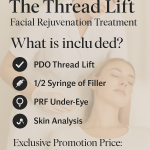


PDO Threads for Jawline Contouring

Achieving a defined and sculpted jawline has become one of the most sought‑after goals in modern facial aesthetics. As facial contouring trends grow, patients increasingly seek non‑surgical alternatives that offer noticeable results without the downtime and risks associated with traditional surgery. PDO threads for jawline contouring have quickly gained popularity as a minimally invasive solution that lifts sagging tissue, sharpens jawline definition, and stimulates natural collagen production. Using ultrafine, biodegradable sutures placed strategically beneath the skin, this technique provides immediate support and long‑term improvement in skin firmness. Ideal for individuals experiencing early jowling, mild laxity, or softening of the lower face, PDO thread lifts offer a customizable approach to rejuvenation with minimal discomfort and downtime. As a result, they have become a preferred treatment for patients looking to enhance their jawline contours and achieve a more youthful, balanced facial profile, without undergoing surgery.
What Are PDO Threads for Jawline Contouring?
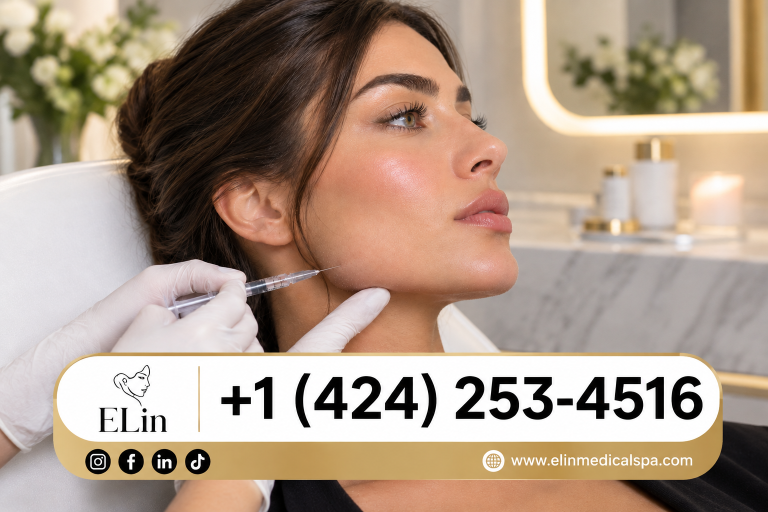
PDO threads for jawline contouring are minimally invasive cosmetic sutures made of polydioxanone, a biodegradable material safely absorbed by the body over several months. These threads are inserted beneath the skin along the jawline to lift sagging tissue, enhance definition, and improve the overall contour of the lower face. Unlike surgical procedures, PDO thread lifts do not require incisions or extensive downtime, making them a popular choice for individuals seeking natural‑looking jawline enhancement without significant recovery.
The mechanism behind PDO threads includes both mechanical lifting and biological rejuvenation. Immediately after insertion, the threads act as a supportive structure, pulling the skin upward and redefining jawline angles. Over time, the presence of the threads stimulates collagen production, elastin fibers, and neovascularization, gradually strengthening and tightening the tissue. This dual effect helps restore jawline sharpness and counteracts age‑related sagging. PDO threads are especially beneficial for patients experiencing mild to moderate jowling, early skin laxity, or reduced definition along the lower face. Their minimally invasive nature, combined with immediate and progressive results, makes them a versatile option for those desiring subtle but noticeable improvements without surgery.
How PDO Threads Lift and Define the Jawline
PDO threads lift and define the jawline through a combination of mechanical support and biological rejuvenation. When the threads are inserted just beneath the skin using fine cannulas, they anchor and gently reposition soft tissue upward, creating a sharper and more sculpted jawline. This mechanical lifting effect is visible immediately after the procedure, allowing patients to enjoy quick improvements with minimal discomfort.
In addition to the physical lift, PDO threads stimulate a natural healing response. The body recognizes the threads as foreign material and begins producing collagen around them. Over several months, this collagen framework reinforces the lifted tissue, tightens the skin, and enhances jawline contour even after the threads dissolve. This makes PDO threads a powerful non-surgical technique for addressing early jowling, mild sagging, and loss of definition along the mandibular border.
Benefits of PDO Threads for Jawline Definition
PDO threads provide numerous advantages for patients seeking jawline enhancement without surgery. Some of the key benefits include:
- Immediate lifting effect after insertion
- Natural-looking enhancement without an over-tightened appearance
- Minimally invasive procedure requiring only local anesthesia
- Stimulates collagen production for long-term firmness
- Improves early jowling and mild to moderate sagging
- Enhances jawline angles and facial symmetry
- Little to no downtime, allowing quick return to daily activities
- Ideal for patients who prefer subtle, progressive results
- Lower cost compared to surgical lifting options
- Safe, absorbable material with a long history of medical use
Who Is the Ideal Candidate for Jawline PDO Threads?
Ideal candidates for jawline PDO threads are individuals seeking non-surgical enhancement of their lower face who experience early signs of aging. These patients typically present with mild to moderate jowling, softening of the jawline, or slight sagging that affects facial contour definition. Candidates often range from their late 20s to mid‑50s, though biological aging varies from person to person. Those with good skin quality, moderate thickness, elasticity, and relatively low subcutaneous fat, tend to experience the best lifting results. PDO threads are an excellent choice for individuals who want noticeable improvement without surgical scars, anesthesia, or extended recovery.
The procedure also appeals to patients who desire gradual collagen stimulation for longer-lasting firmness. However, PDO threads may not be suitable for everyone. Patients with severe skin laxity, very thin skin, or substantial excess fat in the jaw area may require alternative or combined treatments, such as facelifts, liposuction, or dermal fillers. Ideal candidates should be in good general health, non-smokers, and have realistic expectations about the subtle yet natural results threads can offer. Consultation with a trained injector helps determine whether PDO threads are the optimal option based on anatomy and goals.
Types of PDO Threads Used for Jawline Contouring
Several types of PDO threads are used to contour and define the jawline, each designed to address specific lifting and tightening needs. The most common are barbed or cog threads, which feature tiny hooks that securely anchor into the tissue. These threads provide the strongest lifting effect and are ideal for repositioning sagging skin along the jawline. Their anchoring design allows for immediate contour enhancement, making them a preferred choice for lower‑face definition.
Another type used is smooth PDO threads, which do not lift but stimulate collagen production. While not as powerful alone, they can complement lifting threads by improving skin texture and firmness around the treated area. Screw or twisted threads offer volumizing benefits by increasing collagen around thinner or slightly hollow areas along the lower face. A combination of thread types is often used to achieve balanced, natural-looking results. The practitioner chooses the thread type based on the patient’s anatomy, laxity level, and desired outcome.
Step‑by‑Step PDO Thread Jawline Procedure
The jawline PDO thread procedure begins with a thorough consultation, during which the practitioner evaluates the patient’s anatomy, skin laxity, and aesthetic goals. On the day of treatment, the jawline is cleansed and marked to identify insertion points and the ideal vector paths for lifting. A topical numbing cream or local anesthesia is then applied to ensure patient comfort throughout the procedure. Once the area is fully numbed, the practitioner inserts the PDO threads beneath the skin using a thin cannula, carefully guiding the threads along the jaw’s contour to achieve an optimal lifting effect.
After placement, the threads are adjusted to gently tighten and reposition the skin, enhancing the jawline’s sharpness. Excess thread material is trimmed, and the insertion points are disinfected. The entire procedure usually takes between 30 and 45 minutes. Most patients notice an immediate improvement in jawline definition, which continues to enhance over several months as collagen builds around the threads. With minimal downtime and fast results, this step-by-step approach makes PDO threads a convenient rejuvenation option for busy individuals.
Recovery Time and Aftercare Tips
Recovery after a PDO thread jawline procedure is typically quick and straightforward. Most patients experience mild swelling, tenderness, or slight bruising for two to five days. These side effects are considered normal and generally resolve without intervention. Patients are usually able to resume light daily activities within 24 hours, making the procedure ideal for those with busy schedules. However, certain aftercare steps are recommended to ensure optimal healing and long-lasting results.
Patients should avoid strenuous exercise, heavy chewing, and exaggerated facial movements for at least one week to prevent thread displacement. Sleeping on the back with the head elevated is also recommended for the first few nights. Applying cold compresses can help reduce swelling, and patients should avoid alcohol, smoking, and blood-thinning medications during the recovery period. Gentle skincare products are advisable, and facial treatments such as massages, lasers, or deep exfoliation should be avoided for at least two weeks. Following these aftercare instructions helps protect the threads, promotes collagen formation, and contributes to a more defined and long‑lasting jawline contour.
Potential Risks and Side Effects of Jawline Thread Lift
Like any cosmetic procedure, jawline PDO threads come with potential risks and side effects, although they are generally minimal and temporary. Common side effects include mild swelling, bruising, tenderness, and temporary asymmetry as the tissues settle. Some patients may also experience skin puckering or dimpling at the insertion points, which usually resolves within a few days. Threads may occasionally be felt under the skin, especially in individuals with very thin tissue, but this typically improves as swelling decreases and collagen forms around the threads.
More rare complications include infection, thread migration, or thread visibility beneath the skin. These issues usually occur when threads are placed too superficially or by inexperienced practitioners. Choosing a qualified and skilled injector is crucial for minimizing risks and ensuring a smooth recovery. Despite these potential side effects, PDO threads remain a safe, FDA‑cleared treatment when performed correctly. Most complications are manageable, and serious adverse events are rare. With proper aftercare, patients can expect a safe experience and natural-looking improvement in jawline definition.
PDO Threads vs Jawline Fillers: Key Differences
| Feature | PDO Threads | Jawline Fillers |
| Purpose | Lift and tighten | Add volume and structure |
| Material | Absorbable sutures | Hyaluronic acid or similar gels |
| Results | Immediate lift + gradual collagen | Immediate contouring |
| Longevity | 12-18 months | 12-24 months |
| Best For | Mild to moderate sagging | Sharpening jawline angles |
| Downtime | 1-3 days | Minimal |
| Mechanism | Mechanical lift + collagen | Volume enhancement |
| Ideal Candidates | Early jowling | Flat or weak jawline |
| Invasiveness | Minimally invasive | Minimally invasive injection |
| Cost | Moderate | Moderate to high |
How Long Do Jawline PDO Thread Results Last?
Jawline PDO thread results typically last between 12 and 18 months, depending on the patient’s skin quality, lifestyle, and the number of threads used. Immediately after the procedure, patients notice a visible lifting effect along the jawline. Over the next several weeks, the body begins to produce collagen around the threads, enhancing firmness and improving the contour even further. This collagen-building phase is what prolongs the results long after the threads themselves have dissolved.
While the threads are absorbed within six to eight months, the collagen network they leave behind continues supporting the tissue for many months afterward. Factors such as age, metabolism, smoking, and sun exposure can influence how long the results remain visible. Some patients choose annual maintenance treatments to preserve their jawline definition and prevent future sagging. With proper care and healthy lifestyle habits, PDO thread lifts can provide long-lasting, natural jawline enhancement that rivals more invasive procedures.
Combining PDO Threads With Other Jawline Treatments
Combining PDO threads with complementary aesthetic treatments can significantly enhance jawline definition and overall facial balance. While PDO threads lift sagging tissue and stimulate collagen, some patients benefit from additional modalities that address volume loss, excess fat, or skin texture concerns. One of the most common combination approaches is pairing PDO threads with dermal fillers. Fillers can add structural support to the chin or mandibular angle, while threads elevate the surrounding soft tissue, creating a sharper, more sculpted jawline. This dual method is especially useful for patients who have both early jowling and weak underlying bone structure.
Another effective combination is using PDO threads alongside procedures that reduce excess fat, such as Kybella or submental lipolysis. In these cases, fat‑reduction treatments slim the lower face while threads redefine its contour, leading to a cleaner jaw-neck transition. Skin‑tightening technologies, including radiofrequency or ultrasound‑based devices, may also be used before or after a thread lift to improve elasticity and prolong results. These combination strategies allow for personalized, comprehensive rejuvenation plans that optimize outcomes and create long-lasting, natural-looking definition. Consulting with a skilled practitioner ensures the correct sequencing and timing of treatments for maximum effectiveness.
How to Maintain Jawline PDO Thread Results
Maintaining PDO thread results requires a combination of proper skincare, healthy lifestyle habits, and periodic aesthetic maintenance. Although PDO threads stimulate collagen that supports the jawline for many months, the longevity of results depends greatly on how well the patient cares for their skin after treatment. Daily sun protection is one of the most important steps, as UV exposure accelerates collagen breakdown and can reduce the lifting effect prematurely. Using medical‑grade skincare, such as retinoids, peptides, and antioxidant serums, helps maintain firmness and improves long-term skin quality around the jawline.
Lifestyle choices also play a crucial role. Avoiding smoking, minimizing alcohol consumption, and maintaining good hydration support the skin’s regenerative processes. Patients who grind their teeth or have strong masseter muscles may benefit from complementary treatments such as Botox to prevent downward pull on the jawline tissues. Many practitioners recommend small maintenance treatments every 12 to 18 months to sustain definition and prevent age‑related laxity from returning. Whether through additional threads, fillers, or energy-based tightening devices, these periodic touch-ups help preserve jawline sharpness and ensure long-lasting, youthful contours.
FAQ
1. How long does a jawline PDO thread procedure take?
The procedure typically takes 30-45 minutes, depending on the number of threads used and the patient’s anatomy.
2. When will I see results after getting PDO threads?
Results are visible immediately due to mechanical lifting, with continued improvement over 6-12 weeks as new collagen forms.
3. How long do jawline PDO thread results last?
Most patients enjoy results for 12-18 months. Longevity depends on age, skin quality, lifestyle, and maintenance treatments.
4. Are PDO threads painful?
The procedure is generally well‑tolerated. Local anesthesia or numbing cream is used to minimize discomfort.
5. What is the downtime after jawline thread lifting?
Downtime is minimal: most patients resume daily activities within 24 hours. Mild swelling or bruising may last 2-5 days.
6. Can PDO threads be combined with fillers or fat‑dissolving treatments?
Yes. PDO threads pair effectively with jawline fillers, chin augmentation, Kybella, and skin‑tightening devices for enhanced results.
7. Are there any risks with jawline PDO threads?
Common side effects include mild swelling, bruising, and temporary asymmetry. Rare risks include infection or thread visibility if placed incorrectly.
8. Who is not a good candidate for jawline PDO threads?
Individuals with severe skin laxity, very thin skin, uncontrolled medical conditions, or unrealistic expectations may require alternative treatments.
Conclusion
PDO threads for jawline contouring offer a refined, minimally invasive solution for individuals seeking a sharper, more sculpted lower‑face profile without committing to surgery. By combining immediate mechanical lifting with long‑term collagen stimulation, this treatment addresses early jowling, mild laxity, and softening of the mandibular border in a natural yet noticeable way. The procedure’s short downtime, customizable approach, and ability to pair effectively with other aesthetic modalities make it a versatile option suitable for a wide range of patients. While not a replacement for surgical facelift techniques in cases of severe laxity, PDO threads provide a powerful alternative for those who desire subtle enhancement, youthful contour, and improved definition with minimal discomfort. With proper aftercare and periodic maintenance, patients can enjoy long‑lasting improvements that harmonize facial proportions and restore confidence in their jawline appearance.
Have a question about this treatment? Our Beverly Hills team will help you choose what fits your goals.