







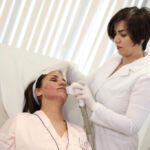






At a medical spa such as Elin Medical Spa, the most useful starting point is a personalized discussion about your skin goals and the treatments appropriate for your needs. Rather than choosing a procedure based on a promise of instant results, it is important to understand the treatment process, its limitations, and the role of daily skincare in maintaining progress.
Brightening Facial: Quick Summary
- A professional brightening facial is designed to improve the appearance of dullness, surface roughness, and selected forms of uneven skin tone.
- Depending on the treatment, it may include cleansing, gentle exfoliation, hydration, and carefully selected skincare ingredients.
- The best facial depends on your skin type, sensitivity, treatment history, and specific concerns.
- Hydration and surface smoothness may improve quickly, while persistent dark spots often require a longer-term plan.
- Daily broad-spectrum sunscreen is essential for limiting sun-related pigmentation and protecting your skin.
- Over-exfoliation can cause irritation and may worsen discoloration, so more intensive treatment is not always better.
- A personalized consultation helps establish realistic expectations and identify when medical assessment or another treatment may be more appropriate.
What makes a brightening facial worth considering? This guide explains three essential areas: how professional facials work and which concerns they may improve; how to compare treatment options and select an approach for your skin; and how to protect your results through aftercare, daily skincare, and realistic expectations.
What Is a Brightening Facial?
A brightening facial is a professional skincare treatment intended to improve the visible appearance of dullness, uneven tone, rough texture, and certain forms of superficial discoloration. The exact treatment can vary between clinics and may involve cleansing, exfoliation, hydrating products, antioxidant formulations, or other products selected according to the skin’s condition.
The term brightening facial does not refer to one standardized procedure. One facial may focus primarily on hydration, while another may incorporate exfoliating acids or a more targeted approach to uneven tone. Understanding what a particular treatment includes is therefore more useful than relying on its name alone.
The purpose of skin brightening should be to support a healthy-looking, more even complexion rather than change your natural skin colour. A suitable treatment should respect your skin barrier, natural pigmentation, and individual needs.
How Does a Professional Brightening Facial Work?
Professional facials can support the appearance of brighter skin through several different mechanisms. Not every facial includes every step, and each step has a different purpose.
- Cleansing: Removes makeup, sunscreen, surface oil, and environmental residue.
- Exfoliation: Helps remove accumulated dead skin cells and may improve surface smoothness.
- Hydration: Helps improve softness and temporarily makes the skin appear plumper.
- Targeted skincare ingredients: Certain formulations may help improve the appearance of uneven tone over time.
- Moisturizing: Supports the skin barrier and reduces moisture loss.
- Sun protection guidance: Helps prevent additional ultraviolet damage that can contribute to pigmentation.
These steps should be selected according to the person’s skin condition. For example, someone with dehydrated skin may benefit more from gentle hydration than from a strong exfoliating treatment. A person with persistent pigmentation may need a more targeted approach than a standard facial can provide.
Brightening Versus Whitening
Brightening generally refers to improving dullness, unevenness, and the appearance of dark marks. Whitening products may be marketed as changing the skin’s natural colour, sometimes through ingredients that can be inappropriate or unsafe when used without proper guidance.
A responsible treatment plan focuses on healthy skin, comfort, and a more even-looking complexion. Be cautious of products that promise dramatic changes in natural skin colour or contain undisclosed ingredients.
What Skin Concerns Can a Brightening Facial Improve?
A professional facial may help address several cosmetic concerns, but the likely benefit depends on the underlying cause. Dryness, surface buildup, post-acne marks, and melasma can all affect how even a complexion appears, yet they do not respond identically to treatment.
1. Dull and Tired-Looking Skin
Dullness can be associated with dehydration, rough texture, surface buildup, and environmental exposure. It may also become more noticeable when the skin barrier is compromised by harsh cleansers or excessive use of active ingredients.
A facial combining gentle cleansing, appropriate exfoliation, and hydration may temporarily improve the skin’s softness and radiance. If dryness is the main concern, consistent moisturizing at home can help maintain a smoother appearance between appointments.
Not all dull skin needs exfoliation. If your face feels tight, stings when products are applied, or frequently flakes, the first priority may be reducing irritation and restoring barrier function.
2. Uneven Skin Tone
Uneven tone may appear as small areas of discoloration, residual marks following blemishes, or patches that make the complexion look inconsistent. A suitable facial may improve surface appearance, but it is important to determine what is causing the unevenness.
Sun exposure, inflammation, hormonal influences, medications, and certain skin conditions can all contribute to pigmentation changes. A cosmetic treatment should not be assumed to diagnose or resolve every cause.
3. Dark Spots and Post-Acne Marks
Dark marks that remain after acne or other inflammation are often associated with post-inflammatory hyperpigmentation. These marks can affect people of all skin tones and may be especially persistent in individuals who are prone to pigment changes after irritation.
A brightening facial may complement a broader skincare plan, but aggressive exfoliation can cause further inflammation and make discoloration more noticeable. A provider should consider your skin tone, current acne activity, sensitivity, and treatment history before recommending intensive exfoliation.
If acne is active, controlling the underlying breakouts is important. Picking blemishes, using harsh scrubs, or layering too many active ingredients can prolong inflammation and contribute to additional marks.
4. Rough Texture and Surface Buildup
Accumulated dead skin cells can make the skin feel rough and appear less reflective. Appropriate exfoliation may improve smoothness and help the complexion look more refined.
However, frequent exfoliation can damage the skin barrier. Redness, persistent stinging, flaking, and increased sensitivity may indicate that the routine is too aggressive. The goal should be effective, tolerable care rather than maximum exfoliation.
5. Dehydrated Skin
Dehydrated skin lacks sufficient water in its outer layers and may look flat, feel tight, or show fine surface lines more prominently. Dehydration can affect dry, oily, and combination skin types.
A hydrating facial may temporarily improve softness and make the complexion appear plumper. Ingredients such as glycerin and hyaluronic acid help attract water, while suitable moisturizers reduce moisture loss.
Hydration does not permanently eliminate pigmentation or deep wrinkles. Its value is improving comfort and supporting the appearance of a smoother skin surface.
6. The Visible Effects of Sun Exposure
Repeated ultraviolet exposure can contribute to uneven pigmentation, rough texture, fine lines, and visible signs of premature skin ageing. A facial may help with selected superficial concerns, but it cannot reverse all accumulated sun damage.
New, changing, irregular, bleeding, or otherwise concerning pigmented spots should be assessed by an appropriately qualified healthcare professional before cosmetic treatment. A facial is not a substitute for examining a potentially suspicious lesion.
How to Choose the Best Brightening Facial for Your Skin Type
The best treatment is not necessarily the strongest one. It is the option that addresses your main concern while respecting your skin’s tolerance and protecting its barrier.
Brightening Facials for Dry Skin
Dry skin often benefits from treatments that prioritize comfort, hydration, and barrier support. If your skin feels tight after cleansing or regularly develops flaky patches, a gentle hydrating facial may be more appropriate than an intensive exfoliating procedure.
Tell your provider about any history of eczema, dermatitis, or reactions to skincare products. These details may influence which ingredients are suitable and whether exfoliation should be avoided.
Brightening Facials for Oily Skin
Oily skin may benefit from thorough cleansing and carefully selected exfoliation when congestion or rough texture is present. However, oiliness does not make the skin immune to irritation.
Harsh cleansers and repeated exfoliation can disrupt the skin barrier even when oil production continues. If you experience painful or persistent acne, seek appropriate professional advice rather than relying on facials alone.
Brightening Facials for Sensitive Skin
Sensitive skin may react to fragrance, heat, friction, exfoliating acids, or combinations of active ingredients. A conservative approach should prioritize comfort and avoid unnecessary irritation.
Ask whether the treatment can be adjusted for sensitivity. If your skin is currently inflamed, broken, or experiencing a significant flare, postponing treatment may be the safer choice.
Brightening Facials for Combination Skin
Combination skin may have oiliness in the forehead, nose, and chin while the cheeks feel dry or tight. A suitable facial should consider these differences rather than treating every area identically.
Balanced cleansing and targeted hydration may be more useful than applying strong exfoliating products across the entire face. Tell the provider which areas tend to become oily and which areas are prone to dryness or irritation.
Brightening Facials for Uneven Tone and Dark Spots
If discoloration is your main concern, the provider should consider whether the marks are related to acne, sun exposure, melasma, or another cause. These conditions may require different approaches.
Persistent pigmentation may need a longer-term plan involving daily sunscreen, selected topical ingredients, and carefully chosen procedures. A facial alone may not be enough.
Brightening Facials for First-Time Clients
If you have never had a professional facial, a conservative treatment can be a sensible starting point. It allows you to observe how your skin responds before considering stronger exfoliation or more intensive procedures.
Before the appointment, explain your skincare routine, allergies, recent sun exposure, medication use where relevant, and any upcoming events that may affect treatment timing.
Professional Brightening Facial Treatments Compared
Different professional treatments can contribute to a brighter-looking complexion in different ways. The comparison below is intended to help you understand common options, not to replace an individual assessment.
| Treatment Type | Primary Focus | Potential Benefits | Important Considerations |
|---|---|---|---|
| Hydrating facial | Dryness and dehydration | Improved softness, comfort, and temporary radiance | Does not directly eliminate deeper pigmentation. |
| Gentle exfoliating facial | Surface buildup and roughness | Smoother-looking skin and improved surface clarity | May irritate sensitive or compromised skin. |
| Brightening product facial | Dullness and mild uneven tone | May support a more even-looking complexion | Benefits depend on the actual ingredients and protocol. |
| Chemical peel | Selected texture and pigmentation concerns | May improve selected surface irregularities when properly chosen | Concentration, depth, skin tone, and aftercare affect risk. |
| Microdermabrasion | Superficial texture and dead skin cells | May make the skin surface feel smoother | May be unsuitable for inflamed or highly reactive skin. |
| Laser or light-based treatment | Selected pigment or redness concerns | May target particular concerns when an appropriate device is selected | Requires careful assessment and has device-specific risks. |
The most suitable option depends on your concern, skin condition, and tolerance. A combination of gentle professional care and consistent home skincare may be preferable to an intensive procedure for some people.
Key Ingredients in Skin-Brightening Treatments
The ingredients used during a brightening facial influence its purpose and tolerability. Ask which active ingredients are included, why they are appropriate for your skin, and whether you should adjust your home routine before or after the treatment.
Vitamin C
Vitamin C is an antioxidant used in skincare to help protect against oxidative stress and support a brighter-looking complexion. Certain formulations may also help improve the appearance of uneven pigmentation over time.
Its stability and tolerability depend on the formulation, concentration, packaging, and other ingredients. A higher concentration does not automatically mean a better result, particularly for sensitive skin.
Niacinamide
Niacinamide, a form of vitamin B3, is used to support the skin barrier and improve the appearance of uneven tone. It may be useful for people who want to combine a brightening-focused routine with barrier support.
Tolerance varies between individuals. Introduce new products gradually and avoid combining several irritating ingredients without guidance.
Alpha Hydroxy Acids
Alpha hydroxy acids, including glycolic acid and lactic acid, help loosen the bonds between surface skin cells. Depending on the formulation, they may improve rough texture and visible dullness.
Stronger products can cause irritation, and inappropriate use may worsen pigmentation in susceptible skin. Concentration, pH, contact time, and frequency all influence how a product should be used.
Salicylic Acid
Salicylic acid is commonly used for oily or acne-prone skin because it can help address pore congestion and surface buildup. Whether it is appropriate depends on skin sensitivity, product strength, and other treatments being used.
People with relevant allergies, medical conditions, or treatment restrictions should discuss suitability with an appropriate healthcare professional.
Azelaic Acid
Azelaic acid is used in some skincare plans for acne-related concerns and uneven pigmentation. It may be considered when both blemishes and post-inflammatory marks are present.
Its suitability depends on the individual’s skin, formulation, and treatment goals. Persistent or worsening pigmentation should be assessed rather than treated through trial and error alone.
Hyaluronic Acid and Glycerin
These humectants help attract water into the outer layers of the skin. They are useful in hydration-focused facials and may temporarily improve the appearance of fine dehydration lines and roughness.
They do not directly remove pigment deposits. Their role in a brightening facial is primarily related to hydration, softness, and overall surface appearance.
Retinoids
Retinoids are used in selected skincare routines to address concerns such as acne, texture, and some forms of uneven pigmentation. They can also cause dryness, redness, and peeling, especially when introduced too quickly.
Retinoids are not suitable for everyone. People who are pregnant or planning pregnancy should consult their healthcare professional about avoiding topical retinoids. Do not combine them with an intensive facial or peel without discussing timing and tolerability with the provider.
Why Ingredient Selection Matters
A good treatment does not simply combine every ingredient associated with brightening. Layering multiple exfoliating acids, retinoids, and potent products can increase irritation without delivering proportionally better results.
A thoughtful protocol considers the complete formulation, current skin condition, previous reactions, and the products used at home. The objective is gradual improvement while protecting the skin barrier.
What Happens During a Professional Brightening Facial?
The process varies according to the treatment, but a well-planned appointment should begin with an assessment rather than immediately applying active products.
Step 1: Skin Consultation
The provider discusses your main concerns, skincare routine, allergies, previous treatments, and relevant health information. You may be asked when discoloration appeared, whether it changes with sun exposure, and whether particular products have caused irritation.
This stage helps determine whether a brightening facial is appropriate or whether another assessment is needed. It is also an opportunity to discuss likely benefits, possible side effects, downtime, and alternatives.
Step 2: Gentle Cleansing
The skin is cleansed to remove makeup, oil, sunscreen, and surface residue. The cleanser should be suitable for the skin’s condition and should not leave the face feeling excessively tight or stripped.
Step 3: Assessment and Exfoliation, If Appropriate
If exfoliation is included, the provider selects an appropriate method and intensity. Some clients may benefit from gentle exfoliation, while others should skip it because of sensitivity, recent procedures, or a weakened skin barrier.
Communicate unusual discomfort immediately. Strong stinging or burning should not be treated as proof that a product is working.
Step 4: Targeted Skincare Products
Depending on the protocol, selected products may be applied to support hydration, antioxidant protection, or a more even-looking complexion. The products should reflect the assessment rather than a one-size-fits-all routine.
Step 5: Moisturizing and Skin Protection
A suitable moisturizer helps support comfort and reduce moisture loss. If the treatment is performed during the day, the provider should discuss sun protection and any temporary restrictions following exfoliation or resurfacing.
Step 6: Aftercare Instructions
Before leaving, you should understand how to care for your skin, which products to pause, when to resume active ingredients, and which symptoms require follow-up. Written instructions are particularly helpful after treatments involving exfoliation or a peel.
How Many Brightening Facial Sessions Do You Need?
There is no universal number of sessions that guarantees brighter skin. The appropriate schedule depends on the treatment, the condition being addressed, your skin’s tolerance, and the degree of improvement you hope to achieve.
Some people notice an immediate improvement in softness or surface radiance after a gentle hydrating facial. Changes in persistent pigmentation generally take longer and may require a combination of professional treatment and consistent home skincare.
Assess your response after each appointment instead of automatically booking repeated sessions. A responsible provider should adjust the plan if your skin becomes irritated or the expected improvement does not occur.
Factors That Influence Treatment Frequency
- Type of concern: Dehydration may respond differently from long-standing pigmentation.
- Skin sensitivity: Reactive skin may require a gentler approach and longer intervals.
- Treatment intensity: Exfoliating facials and chemical peels may require different recovery periods.
- Home skincare: Appropriate cleansing, moisturizing, and sun protection support maintenance.
- Sun exposure: Continued ultraviolet exposure can undermine progress.
- Underlying conditions: Melasma, active acne, dermatitis, and other conditions may need separate management.
A realistic plan prioritizes gradual improvement, skin comfort, and maintenance rather than a fixed number of appointments regardless of your response.
How Long Do Brightening Facial Results Last?
The duration of results depends on the treatment and the reason your complexion looked dull or uneven in the first place. Improvements related to hydration and surface smoothness may be temporary, while persistent pigmentation requires ongoing care and protection against triggers.
A facial cannot prevent every future dark spot or permanently stop the skin from changing. Natural ageing, hormonal influences, inflammation, and ultraviolet exposure may continue to affect the complexion.
To help maintain results, follow the recommended home-care routine, avoid over-exfoliation, and apply sunscreen consistently. If discoloration repeatedly returns, ask a qualified professional whether the underlying cause has been correctly identified.
Immediate Glow Versus Long-Term Improvement
It is useful to distinguish between a temporary glow after cleansing and hydration and a lasting change in pigmentation. Surface softness may be noticeable quickly, while persistent discoloration usually requires a longer, more targeted approach.
Before treatment, ask which outcomes are realistic for the specific procedure being offered. This helps you assess progress fairly and avoid expecting a single facial to resolve a concern that has developed over months or years.
Brightening Facial Aftercare: Protect Your Skin
Aftercare is an important part of a successful skincare plan. Even a suitable professional treatment can be followed by irritation if the skin is exposed to too many active products, intense heat, or excessive sunlight before it has recovered.
Use Gentle Cleansing
For the period recommended by your provider, cleanse with a mild product and lukewarm water. Avoid rough washcloths, abrasive scrubs, and unnecessary friction, especially if the treatment included exfoliation.
Moisturize Regularly
Choose a moisturizer that your skin already tolerates or one recommended for your current condition. Fragrance-free products may be helpful for people who are prone to sensitivity.
If your skin becomes dry or tight, resist the temptation to exfoliate it again. Focus on restoring comfort and supporting the skin barrier.
Apply Broad-Spectrum Sunscreen
Daily sun protection is essential when addressing uneven tone. Choose a broad-spectrum sunscreen with SPF 30 or higher, apply it generously, and reapply approximately every two hours when outdoors and after swimming or sweating, following the product instructions.
Hats, shade, and protective clothing provide additional support. Sunscreen helps limit new ultraviolet damage, although it cannot eliminate every cause of pigmentation.
Pause Irritating Active Ingredients When Advised
Depending on the treatment, your provider may recommend temporarily pausing retinoids, exfoliating acids, benzoyl peroxide, or other potentially irritating products. Follow the specific instructions for your procedure instead of immediately restarting every product.
There is no single pause period suitable for every facial. Timing depends on the ingredients, treatment intensity, and how your skin responds.
Avoid Excessive Heat and Friction if Your Skin Is Irritated
If the treatment leaves your skin temporarily sensitive, your provider may recommend avoiding saunas, very hot showers, or other activities that worsen discomfort. Do not rub, pick, or peel the skin.
Know When to Seek Advice
Mild temporary redness can occur after some treatments. Severe or worsening pain, marked swelling, blistering, spreading redness, or signs of infection should not be ignored. Contact the treating provider or an appropriate healthcare professional for advice.
Build a Home Skincare Routine for Brighter Skin
A professional facial can complement a home routine, but it should not be the only part of your skincare plan. Consistency is often more helpful than frequently switching products or using several strong ingredients at once.
Morning Skincare Routine
- Cleanse gently: Use a cleanser that removes overnight residue without leaving your skin tight or uncomfortable.
- Apply a suitable antioxidant or brightening product: Depending on your skin and professional advice, this may include vitamin C or niacinamide.
- Moisturize: Choose a product that supports the skin barrier and matches your skin type.
- Apply sunscreen: Finish with broad-spectrum SPF 30 or higher and reapply as directed when exposed to daylight.
Evening Skincare Routine
- Remove sunscreen and makeup: Cleanse thoroughly but gently.
- Use targeted skincare selectively: Choose ingredients that match your concern and tolerance rather than layering several active products.
- Moisturize: Help reduce moisture loss overnight and maintain comfort.
People with sensitive skin may need a simpler routine. If several products cause stinging or peeling, reducing the number of active ingredients may be more appropriate than adding another brightening product.
Introduce New Products Gradually
When adding an active ingredient, introduce one product at a time and follow its directions. A small-area test may help identify some reactions, although it cannot guarantee that a product will never cause irritation.
Do not use a new potent exfoliant immediately before an important event or combine it with a professional peel without discussing timing with your provider.
Brightening Facials for Different Skin Tones
All skin tones can experience dullness, dehydration, rough texture, and uneven pigmentation. However, treatment planning should account for the fact that some skin tones are more prone to persistent post-inflammatory hyperpigmentation after irritation or injury.
A treatment tolerated well by one person may not be appropriate for another. Aggressive exfoliation is not necessarily the best route to a brighter complexion, particularly when dark marks are already a concern.
Why Conservative Treatment Can Matter
Inflammation can stimulate pigment production in susceptible skin. Excessive friction, harsh products, poorly selected peels, and inadequately planned procedures may worsen dark marks rather than improve them.
A thoughtful provider considers your skin tone, history of pigmentation, previous reactions, and ability to follow aftercare instructions. The plan may involve gentler treatment, longer intervals, and consistent sun protection.
Melasma Requires Special Consideration
Melasma often appears as brown or grey-brown patches, commonly on the cheeks, forehead, upper lip, or other sun-exposed areas. It can be influenced by sunlight, visible light, hormonal factors, and individual susceptibility.
Melasma can be persistent and may recur after improvement. A standard brightening facial should not be presented as a cure. If melasma is suspected, seek assessment from an appropriately qualified healthcare professional who can recommend a suitable management plan.
Depending on the individual’s needs, management may include sun protection, selected topical products, and carefully chosen procedures. Some treatments can aggravate melasma, so the potential benefits and risks should be discussed before proceeding.
Who Is a Good Candidate for a Brightening Facial?
A brightening facial may suit people who want to improve mild dullness, dryness, surface texture, or selected forms of uneven tone. It may also be helpful for someone seeking professional guidance on developing a consistent skincare routine.
Suitability depends on the specific treatment. No single facial is appropriate for everyone, and certain conditions may require a different approach or postponement.
You May Be a Candidate If:
- Your main concern is mild dullness or surface roughness.
- Your skin is stable and is not currently experiencing significant irritation.
- You understand that results vary and may require maintenance.
- You are willing to follow appropriate aftercare and sun protection guidance.
- You want a treatment selected according to your individual concerns.
When a Facial May Need to Be Delayed
A provider may recommend postponing treatment if you have active irritation, an open wound, a current infection in the treatment area, a significant dermatitis flare, or a recent procedure from which you have not recovered.
Recent sunburn, a history of unusual reactions, or medications that affect skin sensitivity may also influence the decision. Tell your provider about relevant medications and recent procedures before treatment.
If a spot is new, changing, bleeding, irregular, or otherwise concerning, have it assessed medically rather than treating it as an ordinary cosmetic dark spot.
Potential Side Effects and Safety Considerations
Professional facials are not entirely risk-free. The type and likelihood of side effects depend on the products, techniques, treatment intensity, skin condition, and qualifications of the person performing the procedure.
Possible temporary effects include redness, tightness, dryness, mild sensitivity, and flaking. Exfoliating procedures and chemical peels may carry additional risks, including more significant irritation, burns, infection, scarring, and changes in pigmentation.
How to Reduce the Risk of Irritation
- Choose a qualified provider who explains the treatment and its limitations.
- Disclose allergies, medications, relevant medical conditions, and recent procedures.
- Avoid combining several intensive treatments without professional guidance.
- Follow the aftercare instructions provided for your specific procedure.
- Do not continue a treatment that causes severe burning or unusual pain.
- Seek advice promptly if symptoms are severe, worsening, or unexpected.
Safety also includes knowing when a cosmetic service is not the right answer. Persistent inflammation, unexplained pigmentation, or a changing lesion may need medical evaluation rather than repeated facials.
How Much Does a Professional Brightening Facial Cost?
The cost of a brightening facial varies according to the clinic, treatment duration, products used, location, provider qualifications, and whether the service includes additional procedures. A simple hydrating facial and a treatment involving a professional peel may have very different prices.
Instead of comparing prices alone, ask what the treatment includes and whether it is suitable for your concern. A low price does not guarantee value, and a more expensive procedure is not automatically the most effective option.
Questions to Ask About Pricing
- What steps and products are included in the treatment?
- Is a consultation included in the quoted price?
- Are additional products or follow-up appointments required?
- What aftercare products may be recommended?
- Is downtime expected?
- What alternatives are available if the proposed treatment is not suitable?
A personalized recommendation should explain both the expected benefits and the potential limitations. Be cautious of packages that promise guaranteed results or pressure you to purchase multiple sessions before your skin has been assessed.
How to Prepare for Your Brightening Facial Appointment
Preparation helps your provider make an informed decision and may reduce the risk of avoidable reactions. Follow the clinic’s instructions because preparation requirements vary according to the treatment.
Before Your Appointment
- Bring a list or photos of your current skincare products.
- Explain any history of sensitive skin, allergies, pigmentation, or previous reactions.
- Disclose recent peels, laser treatments, injectables, or other cosmetic procedures.
- Ask whether any active ingredients should be paused before your appointment.
- Avoid trying unfamiliar, strong skincare products immediately beforehand.
- Tell your provider about recent sunburn or significant sun exposure.
- Discuss your expectations and ask which results are realistic.
Do not independently stop a prescribed medication to prepare for a facial. If a medication could affect your skin or treatment safety, consult the prescribing clinician and treating provider.
Bring Clear Goals to Your Consultation
Instead of asking only for brighter skin, describe what you notice. For example, you might explain that your cheeks have developed dark marks after acne, your skin feels rough, or your complexion looks dull by the end of the day.
Specific concerns help the provider determine whether the issue is mainly hydration, texture, congestion, pigmentation, or a combination. They also make it easier to agree on a meaningful way to assess progress.
How to Evaluate a Medical Spa Before Booking
Choosing a provider is an important part of the treatment decision. Look for clear explanations, appropriate qualifications, transparent pricing, realistic expectations, and a willingness to discuss alternatives.
Signs of a Responsible Consultation
- The provider asks about your concerns, sensitivity, relevant medical history, and current skincare routine.
- The proposed treatment is explained in understandable language.
- Potential side effects and limitations are discussed before treatment.
- The provider explains how the treatment will be adapted to your skin.
- There is a clear aftercare plan and guidance about when to seek help.
- You have time to ask questions and consider alternatives.
- The provider does not guarantee perfect skin or pressure you into unnecessary services.
These factors help establish trust and support informed decision-making. No single credential or marketing claim should replace checking whether the person performing the service is appropriately qualified for the procedure offered.
Questions to Ask Before Treatment
- Which specific skin concern is this facial intended to address?
- Why is this treatment appropriate for my skin type and tone?
- What products, active ingredients, or procedures will be used?
- What benefits are realistic, and how will progress be assessed?
- What are the main risks for someone with my skin history?
- Will I need to change my home skincare routine?
- How much recovery time should I expect?
- What should I do if irritation or pigmentation worsens?
- Are there less intensive alternatives?
Common Mistakes That Can Prevent Brighter-Looking Skin
Exfoliating Too Frequently
Using several exfoliating products at once can damage the skin barrier. Redness, peeling, stinging, and increased sensitivity may indicate that your routine is too aggressive. Reduce irritation and seek professional advice instead of adding stronger products.
Skipping Sunscreen
Sun exposure can worsen pigmentation and contribute to new uneven patches. A facial without consistent sun protection may deliver less lasting benefit than expected.
Expecting One Facial to Remove Every Dark Spot
Different forms of discoloration respond differently. Some may improve with consistent topical care, while others require a longer treatment plan or medical evaluation. A single appointment should not be expected to resolve every pigmentation concern.
Copying Someone Else’s Skincare Routine
A product that works for a friend or social media creator may not be suitable for your skin. Skin tone, sensitivity, active conditions, medication use, and previous reactions can all influence the safest approach.
Changing Too Many Products at Once
When several products are introduced simultaneously, it becomes difficult to identify which one caused an adverse reaction or which one helped. Introduce changes gradually and assess your skin’s response.
Ignoring Persistent Irritation
Continuing a product or treatment despite ongoing burning, redness, or peeling may worsen the problem. Pause potentially irritating products and seek appropriate advice if symptoms persist or become severe.
Frequently Asked Questions About Brightening Facials
1. What is the best brightening facial for dull skin?
The best option depends on the cause of dullness. Hydrating facials may help when dryness is the main issue, while carefully selected exfoliation may improve rough surface texture. A consultation helps determine which approach is suitable for your skin.
2. Can a brightening facial remove dark spots?
A facial may improve the appearance of some superficial discoloration, but it cannot guarantee complete removal of dark spots. The outcome depends on the cause, depth, and persistence of the pigmentation. New or changing spots should be assessed medically before cosmetic treatment.
3. How quickly will I see results?
Some people notice softer skin or a temporary glow soon after a hydrating facial. Persistent pigmentation and uneven tone usually require a longer approach. Results vary according to the treatment, skin condition, and aftercare.
4. How often should I get a brightening facial?
There is no universal schedule. The appropriate interval depends on treatment intensity, skin sensitivity, and response to the previous appointment. Follow a personalized recommendation rather than booking frequent treatments automatically.
5. Is a brightening facial suitable for sensitive skin?
Some gentle, hydration-focused facials may be suitable, but sensitivity requires careful product selection. Strong exfoliation and multiple active ingredients can cause irritation. Tell your provider about previous reactions before treatment.
6. Can people with darker skin tones have brightening facials?
Yes. People of all skin tones may seek treatment for dullness or uneven tone. However, irritation can increase the risk of post-inflammatory hyperpigmentation in susceptible skin. An individualized, conservative approach is important.
7. Will a brightening facial change my natural skin colour?
The purpose is generally to improve the appearance of dullness and unevenness, not to change your natural complexion. Treatment should focus on skin health and appropriate management of specific concerns.
8. Is a professional facial better than an at-home facial?
A professional treatment provides an opportunity for individualized assessment and access to procedures or products selected by a trained provider. At-home skincare remains important for daily maintenance. The best approach often combines suitable professional care with a consistent home routine.
9. Can I wear makeup after a brightening facial?
It depends on the treatment and how your skin responds. After a gentle facial, makeup may be tolerated relatively soon, but after exfoliation or a peel, your provider may recommend waiting until the skin has recovered. Follow the treatment-specific instructions.
10. Should I exfoliate before my appointment?
Do not add extra exfoliation unless your provider has specifically advised it. Exfoliating shortly before a professional treatment can increase irritation. Ask whether any active ingredients should be paused before the appointment.
11. Can a brightening facial help with acne scars?
A facial may help improve surface smoothness or the appearance of some post-acne marks, but true indented or raised scars are different from flat pigmentation. They may require other treatments and a professional assessment.
12. Is a brightening facial safe during pregnancy?
Suitability depends on the products and procedures involved. Tell the provider if you are pregnant or breastfeeding, and consult your healthcare professional about ingredient restrictions. Do not assume that every facial or active ingredient is appropriate during pregnancy.
13. Can I get a brightening facial before an important event?
Plan according to the treatment’s intensity and your history of skin reactions. A gentle facial may have little visible recovery time for some people, while exfoliating procedures can cause redness or peeling. Avoid trying an unfamiliar intensive treatment immediately before an important event.
14. Why does my skin look dull even after exfoliation?
Dullness may be related to dehydration, irritation, sun exposure, or an underlying skin condition rather than surface buildup alone. Repeated exfoliation can worsen the problem if the skin barrier is compromised. Review your routine and consider professional advice.
15. Does sunscreen really matter after a brightening facial?
Yes. Broad-spectrum sunscreen helps reduce ultraviolet exposure that can contribute to pigmentation and premature skin ageing. It is an important part of maintaining improvements, particularly after exfoliating treatments.
16. Can I combine a facial with a chemical peel?
Combining procedures depends on the products, treatment intensity, skin condition, and recovery requirements. Combining exfoliating treatments too closely can increase irritation. A qualified provider should determine whether combination treatment is appropriate and how it should be timed.
17. What should I do if my skin becomes irritated after a facial?
Follow your aftercare instructions, avoid additional active products, and contact the provider if symptoms persist. Severe pain, blistering, marked swelling, spreading redness, or signs of infection require prompt medical advice.
18. Are results permanent?
No facial can guarantee permanent brightness or prevent all future pigmentation. Skin continues to respond to ageing, inflammation, hormones, and environmental exposure. Appropriate home care and sun protection help maintain results.
19. What is the difference between a brightening facial and a chemical peel?
A brightening facial is a broad category of treatments that may focus on cleansing, hydration, and selected skincare ingredients. A chemical peel uses a chemical solution to exfoliate the skin at a particular depth. Peels can involve greater risks and require specific preparation and aftercare.
20. How do I know which facial is right for me?
Start by identifying your main concern and discussing your skin type, sensitivity, products, and treatment history with a qualified provider. Ask about realistic outcomes, risks, aftercare, and alternatives before deciding.
Conclusion: A Smarter Approach to Brighter Skin
A professional brightening facial may help improve dullness, dehydration, rough texture, and selected forms of uneven skin tone. The best outcome comes from choosing a treatment that matches your actual concern rather than assuming that every complexion needs intensive exfoliation or the same combination of active ingredients.
Hydration, appropriate cleansing, carefully selected professional treatments, and consistent sunscreen use can all contribute to healthier-looking skin. Persistent dark spots, melasma, active acne, or unexplained pigmentation may require a more targeted assessment and should not be treated as routine cosmetic concerns without considering their cause.
For clients considering professional skincare at Elin Medical Spa, a personalized consultation is a practical first step toward understanding suitable options and establishing realistic expectations. The aim is not an overnight transformation but a thoughtful plan that supports skin comfort, a more even-looking complexion, and sustainable skincare habits.
Explore Your Brightening Facial Options at Elin Medical Spa
If dullness, uneven tone, or a lack of radiance is affecting how your skin looks and feels, consider discussing your concerns with the team at Elin Medical Spa. A personalized assessment can help clarify your skincare priorities, identify appropriate treatment options, and explain how professional care may fit into your routine.
Ask about treatment suitability, expected results, possible side effects, aftercare, and the best way to maintain your skin between appointments. Choosing a treatment based on your individual needs is more valuable than pursuing the strongest procedure or expecting guaranteed results.
Visit Elin Medical Spa to learn more about the clinic and explore the next steps toward a personalized skincare plan.