

PRP for Acne Scars in Beverly Hills: How It Works, Who It Helps and What Results to Expect
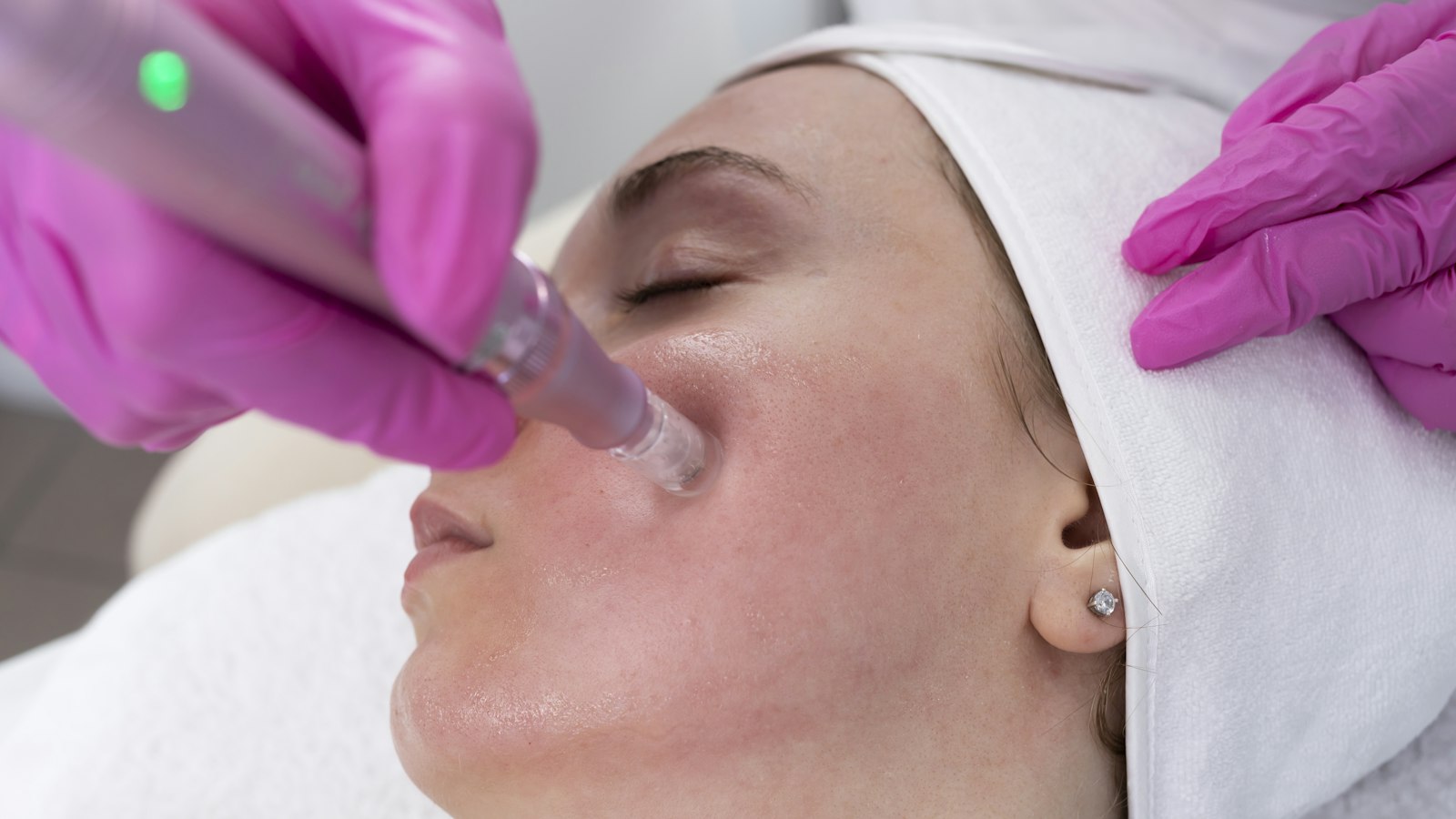
Acne scars are one of the most common reasons people search for PRP in Beverly Hills. Long after breakouts have cleared, uneven texture, small pits and rolling depressions can catch light and make skin look older and less smooth than it is. Makeup tends to settle into scars rather than hide them, and many people tell us they have spent years trying serums and facials with little change.
Platelet-rich plasma, used together with medical microneedling, is a well-researched way to improve the look of many acne scars without surgery. This guide explains what PRP can and cannot do for scarring, which scar types respond best, how a treatment plan is built, and what to expect at each stage. For a broader overview of the treatment itself, see our main page on PRP in Beverly Hills.
Why acne leaves scars in the first place
An inflamed acne lesion is a small wound deep in the skin. When the follicle wall ruptures, inflammation spreads into the surrounding dermis, and the body rushes to repair the damage. If the repair produces too little collagen, the surface sinks and you get an atrophic (depressed) scar. If it produces too much, the result is a raised scar. In the face, atrophic scars are far more common.
Several factors increase the risk of scarring:
- Deep, cystic or nodular acne that lasts for weeks
- Picking or squeezing lesions
- Delays in effective acne treatment
- Genetics: some people scar easily even with mild acne
It is also important to separate true scars from post-inflammatory marks. Red or brown flat spots left after a breakout are discoloration, not texture change, and they often fade with time, sun protection and targeted skincare. PRP can support overall skin quality, but flat marks are usually better addressed with other tools. A good consultation sorts out which problem you actually have.
The main types of acne scars
Rolling scars
Broad, soft depressions with sloping edges that give the skin a wavy look, especially in side lighting. They are caused by fibrous bands that tether the skin to deeper tissue. Rolling scars often respond well to a combination of microneedling with PRP and, where appropriate, subcision to release the bands.
Boxcar scars
Round or oval depressions with sharper vertical edges. Shallow boxcar scars can improve meaningfully with collagen induction treatments such as PRP microneedling. Deeper ones may need resurfacing or targeted procedures in addition.
Icepick scars
Narrow, deep pits that extend far into the dermis. Because they are so deep and narrow, microneedling alone usually produces only modest improvement. These are often treated with focused techniques before or alongside a PRP series.
Mixed scarring
Most people have more than one type. That is why a plan built around a single device rarely gives the best result. The aim is to match each scar type with the tool most likely to improve it.
How PRP helps acne scars
PRP is made from a small sample of your own blood. After it is spun in a centrifuge, the platelet-rich portion contains a high concentration of growth factors, signaling proteins that help direct the skin’s natural repair process. When PRP is applied during microneedling, it can reach the dermis through thousands of tiny channels made by the needles.
Microneedling on its own triggers a controlled wound-healing response that encourages fibroblasts to produce new collagen and elastin. Adding PRP aims to strengthen and support that response. A number of clinical studies, including split-face trials comparing microneedling with and without PRP, have reported greater improvement in atrophic acne scars on the PRP side, along with patient-reported benefits in recovery. Results vary from person to person, but the combination is now a standard option in aesthetic practice.
What PRP will not do is erase scars completely. A realistic goal is a visible softening of scar depth and edges, smoother texture, more even light reflection and skin that looks healthier overall. Many patients describe the change as their skin finally looking “calm” and even.
Who is a good candidate?
PRP microneedling for acne scars tends to suit people who:
- Have mild to moderate rolling or shallow boxcar scars
- Have no active, inflamed acne in the treatment area, or have acne well controlled
- Prefer a natural approach using their own blood rather than synthetic fillers
- Want less downtime than aggressive laser resurfacing
- Have darker skin tones and want a lower risk of pigmentation changes than with some heat-based lasers
PRP may not be suitable if you have a bleeding or platelet disorder, take blood thinners, have an active skin infection or cold sores in the area, are pregnant or breastfeeding, or are being treated for cancer. If you have recently used isotretinoin, timing should be discussed with your prescribing physician and our team before any microneedling.
What a typical treatment plan looks like
For most patients with acne scarring, we suggest a series of three to four sessions spaced four to six weeks apart. Deeper or mixed scarring may need more, and some people benefit from adding other treatments between PRP sessions. Here is how it usually flows.
Step 1: Assessment and photos
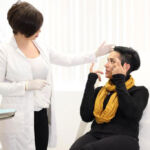
We examine your skin under different lighting angles, identify scar types and take standardized photos. We also ask about past treatments, current skincare, medications and your timeline, for example a wedding or event.
Step 2: Preparing the skin
In the two weeks before treatment, you may be asked to pause retinoids and exfoliating acids for a few days, avoid sunburn and stay well hydrated. If you are prone to cold sores, let us know in advance. Our PRP preparation guide lists the details.
Step 3: Treatment day
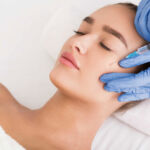
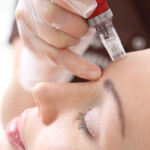
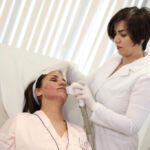
Numbing cream is applied while a small amount of blood is drawn and processed. The PRP is then applied as the skin is treated with a medical microneedling device, with needle depth adjusted for each area. Scarred zones on the cheeks often receive more passes than delicate areas. The visit usually takes about 75 to 90 minutes.
Step 4: Recovery
Skin is typically red and warm, like a moderate sunburn, for one to two days. Light swelling and a tight, dry feeling are common. Most people return to normal activities within 24 to 48 hours and wear mineral makeup after the first day.
Step 5: Follow-up and review
At each visit, we compare photos and adjust the plan. Collagen remodeling continues for months, so the final result is best judged about three months after the last session.
PRP compared with other acne scar treatments
| Treatment | Best for | Typical downtime |
|---|---|---|
| PRP microneedling | Rolling and shallow boxcar scars, overall texture | 1-2 days |
| Morpheus8 RF microneedling | Texture plus tightening, deeper remodeling | 2-4 days |
| CO2 laser resurfacing | More pronounced scarring and resurfacing | About 5-10 days |
| Subcision | Tethered rolling scars | Bruising for several days |
| Dermal filler | Selected soft rolling scars needing immediate lift | Minimal |
These options are not competitors as much as teammates. A common plan might use PRP microneedling for overall texture, a few targeted treatments for icepick scars, and PRP after a resurfacing session to support recovery. For more detail on microneedling choices, see RF microneedling vs traditional microneedling and our guide to microneedling for acne scars.
Results timeline: what to expect month by month
- First week: skin heals and often looks fresher and more radiant.
- Weeks 4-6: early smoothing begins. Makeup may sit better.
- After session 2: many patients notice softer scar edges in photos.
- 3 months after the final session: the clearest view of the result, as new collagen matures.
Comparing standardized photos is important. Day-to-day changes are subtle, and it is easy to underestimate progress in the mirror. You can read more in our PRP results timeline.
Aftercare that protects your results
- Keep the skin clean and use only gentle, fragrance-free products for the first few days.
- Avoid makeup for 24 hours, then use clean mineral makeup if needed.
- Skip workouts, saunas, steam rooms and swimming for at least 24-48 hours.
- Use a broad-spectrum SPF 30+ every day. Fresh skin is more sensitive to Southern California sun.
- Pause retinoids, acids and scrubs for about a week, or as advised.
- Ask before taking anti-inflammatory painkillers, since many providers recommend avoiding NSAIDs briefly around PRP. Never stop a prescribed medication without your doctor’s advice.
Our article on serums to use after microneedling explains which products to reintroduce first.
How much does PRP for acne scars cost in Beverly Hills?
The cost of PRP microneedling for acne scars in Beverly Hills depends on the size of the area, the number of sessions, the device and preparation system used, and whether other treatments are combined. Single sessions in premium Beverly Hills clinics commonly fall in the high hundreds to around $1,500, and three- or four-session packages are usually priced lower per visit. Your exact price is confirmed in writing at consultation, and monthly financing is available through our Cherry payment plan. For a detailed breakdown, see our PRP facial cost guide.
Questions to ask before you book
- Which of my scars are likely to respond to PRP, and which need something else?
- How many sessions do you expect I will need, and what does the full plan cost?
- What microneedling device and needle depths will you use?
- How is the PRP prepared, and is the kit single-use and sterile?
- Will you take standardized before and after photos?
- What should I do if I have a reaction or a question after treatment?
A provider who answers these clearly, and who is willing to say when PRP is not the right tool, is one you can trust with your skin.
Common myths about PRP and acne scars
Myth 1: One session is enough
Collagen is built gradually. A single session can make skin look fresher, but meaningful scar improvement almost always comes from a series. Planning three or four sessions from the start also makes budgeting easier.
Myth 2: Deeper needles always mean better results
Needle depth should match the skin thickness and the scar type in each area. Going deeper than necessary increases downtime and risk without guaranteeing better results. Skilled technique matters more than aggressive settings.
Myth 3: PRP is only for women
Men often have thicker skin and more pronounced acne scarring along the cheeks and jawline, and many respond well to PRP microneedling. Beard areas need careful technique, and downtime is usually short enough to fit around a workweek.
Myth 4: If it is natural, it cannot cause side effects
PRP uses your own blood, so allergic reactions to the material are very unlikely. But microneedling is still a medical procedure. Redness, swelling, pinpoint bleeding, and rarely infection or pigment changes can occur, which is why sterile technique and proper aftercare matter.
Keeping results long term
Once you reach your goal, a maintenance session every 6 to 12 months helps preserve collagen as skin ages. Just as important is preventing new scars: keep acne controlled with a dermatologist-approved routine, avoid picking, and protect your skin from the sun every day. Treatments you choose later, such as Botox or fillers, can be planned around your PRP schedule without undoing your progress.
Frequently asked questions
Does PRP really work for acne scars?
Clinical studies show that adding PRP to microneedling can improve the appearance of atrophic acne scars more than microneedling alone in many patients. It softens scar depth and improves texture rather than erasing scars completely.
How many PRP sessions do I need for acne scars?
Most people need three to four sessions spaced four to six weeks apart. Deeper or mixed scarring may need more sessions or combination treatments.
Is PRP microneedling safe for darker skin tones?
PRP microneedling does not rely on heat, so it is generally considered lower risk for pigmentation changes than some lasers. Your provider will still adjust settings and aftercare to your skin type.
How long is the downtime after PRP for acne scars?
Most patients have redness and mild swelling for one to two days and return to work within 24 to 48 hours.
Can I get PRP if I still have active acne?
Active, inflamed acne in the treatment area should be controlled first. Treating over active breakouts can spread bacteria and irritate the skin.
Book a consultation at ELin Medical Spa
ELin Medical Spa is located at 337 S Beverly Dr #100, Beverly Hills, CA 90212. Every treatment plan begins with a complimentary consultation. Call or text +1 (424) 253-4516 or request your appointment online.
This article is for general education and is not medical advice. Individual results vary, and a consultation is required to confirm candidacy.
Have a question about this treatment? Our Beverly Hills team will help you choose what fits your goals.
More from our journal
 November 17, 2026
Masseter Botox in Beverly Hills: Jaw Slimming, Teeth Grinding and Clenching Relief
Read article
 November 16, 2026
Morpheus8 With PRP in Beverly Hills: Why Combining RF Microneedling and Platelet-Rich Plasma Works
Read article
 November 15, 2026
“Ozempic Face” Treatment in Beverly Hills: Restoring Volume and Skin Quality After GLP-1 Weight Loss
Read article