






Botox for Fine Lines and Wrinkles: What You Need to Know
Botox has become the gold standard for reducing the appearance of dynamic wrinkles, but is it the ultimate solution for preventing fine lines? This comprehensive guide delves into how Botox works, compares it with other anti-aging treatments like dermal fillers and laser therapy, and explores clinical evidence on its effectiveness. We will also discuss the importance of choosing a qualified provider, realistic expectations, and the role of a holistic skincare routine. By the end, you will have a clear understanding of whether Botox aligns with your aesthetic goals and lifestyle.
Introduction: Navigating the World of Wrinkle Prevention
Wrinkles and fine lines are a natural part of aging, but that does not mean we have to accept them passively. The pursuit of youthful, radiant skin has led to a multitude of treatments, and Botox has emerged as a frontrunner in the battle against dynamic wrinkles. But the question remains: Is Botox the best way to prevent fine lines and wrinkles, or are there other effective strategies worth considering? This article aims to provide a balanced, science-backed perspective to help you make an informed decision for your skincare journey.
At Elin Medical Spa, we understand the importance of personalized care. This guide is designed to equip you with the knowledge needed to navigate your options, whether you are considering Botox for the first time or evaluating it alongside other treatments like dermal fillers, chemical peels, or laser skin resurfacing.
Understanding Wrinkles: Dynamic vs. Static
Before we can evaluate Botox’s effectiveness, it is crucial to understand the types of wrinkles we are targeting. Wrinkles generally fall into two categories:
Dynamic Wrinkles
These are the lines that appear when you make facial expressions. Think of frown lines, crow’s feet, and forehead furrows. They are caused by the repeated contraction of underlying facial muscles over time. As we age, our skin loses elasticity, and these expression lines become more pronounced.
Static Wrinkles
These wrinkles are visible even when your face is at rest. They are often the result of a combination of dynamic wrinkles becoming etched into the skin, along with loss of collagen and elastin, sun damage, and gravity. Static wrinkles include nasolabial folds (smile lines) and marionette lines.
How Does Botox Work?
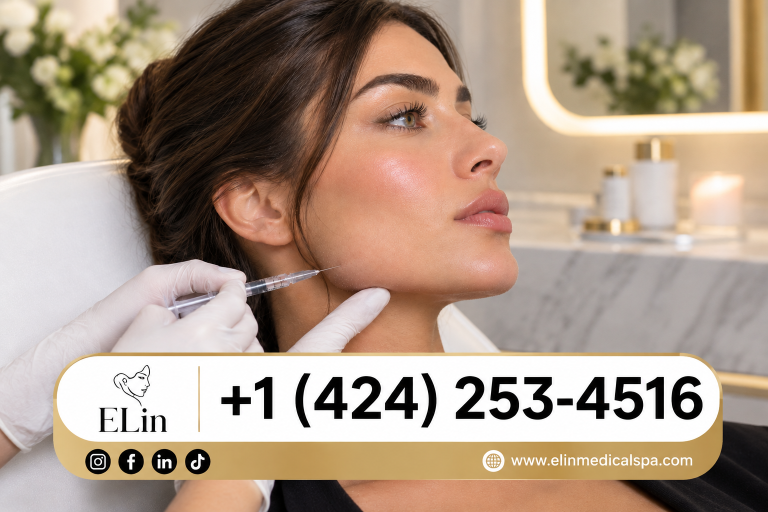
Botox is the trade name for botulinum toxin type A, a purified protein that temporarily blocks nerve signals to the muscles where it is injected. By relaxing these muscles, Botox softens existing dynamic wrinkles and prevents new ones from forming. It is important to note that Botox does not “fill” wrinkles; it stops the muscle movement that causes them. When administered by a skilled injector at a reputable clinic like Elin Medical Spa, Botox can deliver natural-looking results that preserve facial expressiveness while smoothing away lines.
Is Botox the Best Option for Preventing Fine Lines and Wrinkles?
Botox is undeniably effective for treating dynamic wrinkles, but whether it is the “best” option depends on several factors, including your skin type, the severity of your wrinkles, your aesthetic goals, and your lifestyle. Let us explore how Botox compares to other popular treatments.
Botox vs. Dermal Fillers
Botox and dermal fillers serve different purposes. While Botox targets muscle movement, fillers add volume to areas that have lost fullness due to aging, such as cheeks, lips, and nasolabial folds. For optimal facial rejuvenation, many people combine both treatments.
Botox vs. Laser Skin Resurfacing
Laser treatments, like fractional CO2 or erbium lasers, work by removing the outer layers of damaged skin and stimulating collagen production. They are excellent for addressing fine lines, sun damage, and overall skin texture. Botox is more targeted at specific muscle-induced wrinkles, while lasers provide a more overall skin renewal.
Botox vs. Chemical Peels
Chemical peels use various acids to exfoliate the skin, improving texture and reducing fine lines. They are a surface-level treatment compared to Botox’s mechanism of action and are often used in conjunction with Botox for a comprehensive anti-aging plan.
Botox vs. Topical Skincare
Retinoids, antioxidants (like vitamin C), and peptides are the cornerstones of a good skincare routine. They work by boosting collagen production and protecting the skin from environmental damage. However, they cannot prevent the repetitive muscle contractions that lead to dynamic wrinkles, a gap that Botox effectively fills.
Clinical Evidence and Medical Opinions: The EEAT Factor
When discussing Botox as a wrinkle treatment, it is essential to base the conversation on clinical evidence and expert opinions. Extensive research supports Botox’s safety and efficacy for facial wrinkles. According to the American Society of Plastic Surgeons, Botox is one of the most popular non-surgical cosmetic procedures in North America, with a long track record of safety when administered correctly.
Medical professionals emphasize that Botox is a prescription medication and should only be administered by qualified healthcare providers. In Ontario, this means physicians, nurse practitioners, or registered nurses working under appropriate medical directives. Choosing a clinic with a medical director who ensures compliance with CPSO standards is crucial for safety and results. At Elin Medical Spa, our protocols prioritize patient safety and informed consent.
What Botox Can and Cannot Do
Setting realistic expectations is key to satisfaction with any cosmetic treatment. Here is a breakdown of Botox’s capabilities:
What Botox Can Do
- Reduce Dynamic Wrinkles: Significantly soften frown lines, crow’s feet, and forehead furrows.
- Prevent Deeper Wrinkles: By relaxing muscles, Botox can prevent dynamic wrinkles from becoming static over time.
- Provide a Preventative Effect: Many younger individuals (in their 20s and 30s) opt for “preventative Botox” to delay the onset of lines.
- Lift the Brows: Strategic injections can create a subtle brow lift.
What Botox Cannot Do
- Treat Static Wrinkles: Botox cannot fill deep lines that are present at rest.
- Replace Lost Volume: It does not add volume; fillers are needed for that.
- Address Sun Damage: Botox does not fix pigmentation, texture, or sunspots.
The Importance of Choosing a Qualified Provider
Botox’s success heavily depends on the skill and experience of the injector. An expert injector understands facial anatomy, can assess muscle dynamics, and can tailor the treatment to your specific needs. A poorly performed Botox injection can lead to unwanted side effects like asymmetry, drooping eyelids, or a “frozen” look.
When choosing a Botox provider, look for:
- Licensed medical professionals with specific training in injectables.
- A track record of safe, natural-looking results.
- An emphasis on a thorough consultation process to discuss your goals and medical history.
- A clean, professional environment that adheres to strict hygiene standards.
For more information on finding a reputable provider, you can explore our related article on how to choose a medical spa.
Making a Decision: Is Botox Right for You?
Determining if Botox is the best choice for you involves considering your specific concerns and goals. If your primary concern is dynamic wrinkles around the eyes and forehead, Botox is an excellent option. If you are concerned about deep folds or volume loss, you might benefit from combining Botox with dermal fillers. A qualified practitioner can guide you to create a comprehensive treatment plan.
Key Questions to Consider
- What is the severity of your wrinkles? Are they visible only when you smile or frown, or are they present even at rest?
- What are your aesthetic goals? Do you want a refreshed, natural look, or a more dramatic change?
- Are you open to combining treatments for optimal results?
- Have you researched your injector’s credentials and experience?
The Role of Skincare and Lifestyle in Wrinkle Prevention
It is important to remember that Botox is not a magic bullet. A holistic approach to skincare and lifestyle is essential for maintaining healthy, youthful skin. This includes:
- Sun Protection: Daily use of broad-spectrum SPF to prevent photoaging.
- Healthy Diet: A diet rich in antioxidants, healthy fats, and adequate hydration.
- Skincare Routine: Incorporating ingredients like retinol, vitamin C, and hyaluronic acid.
- Adequate Sleep: The body repairs itself during sleep, including the skin.
For a deeper dive into complementary treatments, check out our article on the benefits of microneedling.
Content Gap Analysis: What This Guide Covers
This comprehensive guide goes beyond basic information by providing a balanced, evidence-based comparison. Unlike many articles that simply promote Botox, this piece:
- Compares Botox with alternatives: Fillers, lasers, and skincare are analyzed in detail.
- Addresses preventative use: We explore the concept of “preventative Botox” with clinical nuance.
- Emphasizes provider selection: The importance of finding a qualified medical professional is a central theme.
- Recognizes the importance of a holistic approach: Lifestyle and skincare are discussed as essential pillars of wrinkle prevention.
Frequently Asked Questions (FAQ) About Botox for Wrinkles
How long does Botox last?
Botox results typically last 3 to 4 months. Over time, the muscles gradually regain their ability to contract, and wrinkles slowly reappear.
Does Botox hurt?
Discomfort is minimal. Most providers use very fine needles, and some may apply a topical numbing cream to make the process more comfortable.
Can Botox prevent wrinkles if I start early?
Yes, “preventative Botox” can relax muscles before dynamic wrinkles become static, potentially delaying the onset of deep lines.
What are the side effects of Botox?
Common side effects include temporary redness, swelling, and mild bruising at the injection site. More serious complications, like drooping eyelids, are rare when performed by an expert.
Is there anyone who should not get Botox?
Botox is not recommended for individuals who are pregnant or breastfeeding, or those with certain neurological conditions. A thorough medical consultation is essential.
Can I combine Botox with other treatments?
Yes, many people combine Botox with dermal fillers, laser treatments, or chemical peels for a more comprehensive facial rejuvenation.
Conclusion: A Balanced View on Botox for Fine Lines and Wrinkles
Botox is an incredibly effective and safe treatment for dynamic wrinkles when performed by qualified professionals. It is arguably the best non-surgical option for targeting forehead lines, crow’s feet, and frown lines. However, it is not a solution for static wrinkles or skin quality issues. By integrating Botox with a holistic skincare strategy, including sun protection and a healthy lifestyle, you can achieve optimal and long-lasting results.
Ultimately, the best treatment for fine lines and wrinkles depends on your individual anatomy, goals, and the expertise of your provider. At Elin Medical Spa, our team is dedicated to creating personalized treatment plans that address your unique concerns, ensuring you receive the highest standard of care.
Ready to Explore Your Options for Smoother Skin?
Schedule a consultation with the experienced team at Elin Medical Spa. We will assess your skin and discuss the best path forward to achieve your aesthetic goals.
Have a question about this treatment? Our Beverly Hills team will help you choose what fits your goals.