








PRP for Men’s Hair Loss in Beverly Hills: Hairline, Crown and Early Thinning
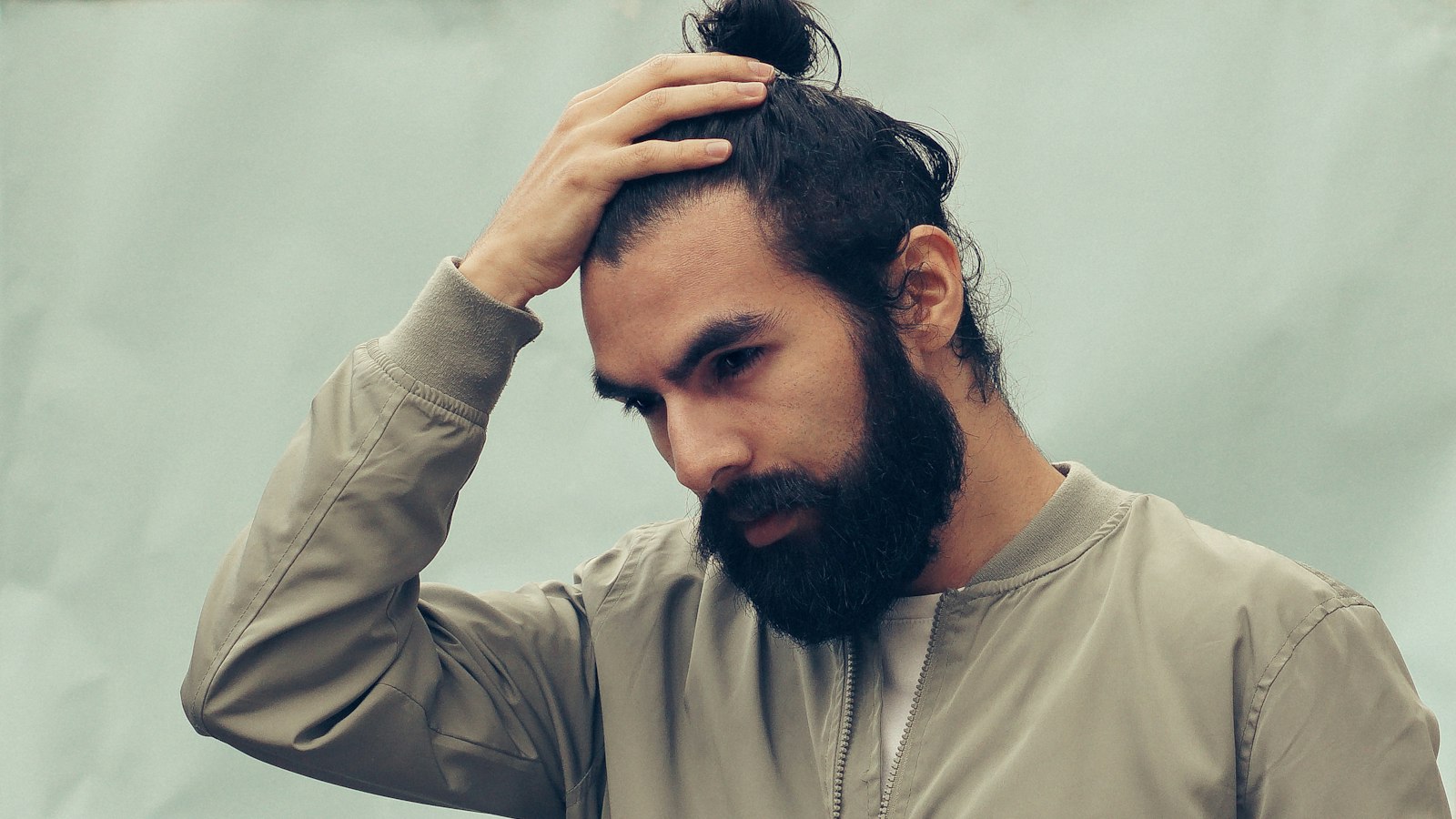
Most men notice hair loss in one of two ways: a hairline that starts creeping back at the temples, or a crown that suddenly looks thin in an overhead photo. By age 50, roughly half of men have some degree of male pattern hair loss, and for many it starts in their twenties or thirties. The good news is that today there are more effective non-surgical options than ever, and platelet-rich plasma (PRP) is one of the most popular among men in Beverly Hills and the wider Westside.
This guide is written specifically for men. It covers how male pattern hair loss works, where PRP fits alongside medication and hair transplants, what treatment feels like, how many sessions you will need and how to judge whether it is working. For a general overview of the treatment, visit our PRP treatment in Beverly Hills page.
How male pattern hair loss works
Male pattern hair loss, or androgenetic alopecia, is driven by genetics and by dihydrotestosterone (DHT), a hormone derived from testosterone. In men who are genetically sensitive, DHT causes hair follicles in certain zones, mainly the temples, mid-scalp and crown, to shrink over time. Each new hair grows back finer, shorter and lighter until the follicle stops producing visible hair.
The hairs at the back and sides of the head are usually resistant to DHT, which is why that area stays full and why it is used as the donor zone for hair transplants. Clinicians often grade male hair loss on the Norwood scale, from early temple recession (stages 2-3) to extensive loss over the top (stages 6-7).
The key point: miniaturization is gradual. A follicle that is shrinking is still alive and can often be supported. A follicle that has been gone for years usually cannot be revived. That is why acting early matters so much.
Where PRP fits in a man’s hair loss plan
There are three main pillars in managing male pattern hair loss:
- Medication prescribed or recommended by a physician, which can slow or stop the hormonal process behind thinning.
- Regenerative treatments such as PRP, which aim to support follicle health, thickness and the growth phase.
- Surgery, meaning hair transplantation, which moves follicles from the back of the head to thinning areas.
PRP sits in the middle. It is a good fit for men who want to strengthen existing hair, who prefer to avoid or reduce medication, or who want to support the results of a transplant. Many men use PRP together with medication, because they work in different ways. Any medication decisions should be made with your physician, who can explain benefits and possible side effects.
What the research says
PRP for androgenetic alopecia has been studied in a range of clinical trials, including split-scalp studies in which one side receives PRP and the other a placebo. Systematic reviews and meta-analyses have reported increases in hair density and hair shaft thickness for many patients treated with PRP compared with controls. Protocols vary between studies, which means results vary too, and not every man responds. In practice, men with early to moderate thinning tend to see the most benefit.
Who is a good candidate?
- Men in the early to moderate stages of thinning (roughly Norwood 2 to 4)
- Men with a thinning crown where hairs are still visible but finer
- Men who want to keep the hair they have before considering surgery
- Men who have had a hair transplant and want to support native hair around it
- Men who cannot tolerate or prefer not to use certain medications
PRP is not the right choice if the area is completely bald and smooth, if you have a bleeding disorder or take blood thinners, if you have an active scalp infection, or if you are undergoing cancer treatment. If your hair loss is patchy, sudden or accompanied by itching, scaling or pain, a dermatologist should rule out other conditions first.
What happens at a PRP hair session
Consultation and mapping
We start by mapping your hair loss pattern, checking for miniaturized hairs, discussing family history and reviewing any medications or supplements you take. Standardized photos of the hairline, mid-scalp and crown are taken so progress can be measured objectively.
The appointment
- A small blood sample is drawn from your arm.
- The sample is processed in a centrifuge for about 10-15 minutes.
- The scalp is cleaned and comfort measures are applied.
- PRP is injected in a grid pattern across the thinning areas.
Most appointments take about an hour. The injections are the most noticeable part, and most men describe the sensation as pressure and stinging that settles quickly.
Afterwards
You can usually drive yourself home and return to work the same or next day. Expect some tenderness and tightness for a day or two. Avoid washing your hair for 24 hours, and skip heavy workouts, saunas, swimming and alcohol for a day or two. Wearing a loose cap is fine if you want to cover the area.
Session schedule and maintenance
A common starting protocol is three to four sessions about four weeks apart. We review your photos around three months after the last session. If you have responded, maintenance sessions every four to six months help preserve results. Because male pattern hair loss is ongoing, stopping all treatment usually means thinning will gradually continue at its natural pace.
Results timeline for men
- Month 1-2: shedding often settles.
- Month 3: fine new hairs may appear, particularly at the crown.
- Month 4-6: improvement in thickness and coverage becomes visible in photos.
- Month 6-12: peak response and decisions about long-term maintenance.
The crown usually responds better than the frontal hairline. Temple recession is often the hardest area to reverse with non-surgical treatments, although PRP can help slow it and thicken remaining hairs.
PRP and hair transplants
A hair transplant redistributes hair, but it does not stop the hormonal process thinning your native hair. Many men find that a few years after a transplant, the transplanted hair is fine but the surrounding original hair has continued to thin, leaving gaps. PRP is sometimes used before and after transplantation to support the native hair and the healing scalp. If you are considering surgery, we recommend speaking with a hair restoration surgeon, and we are happy to coordinate PRP around your surgical timeline.
PRP vs PRF for men’s hair
PRF (platelet-rich fibrin) is prepared with a slower spin and no anticoagulant, forming a gel that releases growth factors more gradually. Some providers use it for hair, though PRP remains the more widely studied option for scalp treatment. We explain both and recommend based on your situation. See PRF vs PRP for hair loss for a detailed comparison.
Lifestyle factors that matter
- Smoking reduces blood flow to the scalp and is associated with worse hair loss.
- Diet: extreme diets and very low protein intake can trigger shedding.
- Supplements and hormones: testosterone or anabolic steroid use can accelerate pattern hair loss. Discuss any use honestly with your physician.
- Stress and sleep: major stress can trigger temporary shedding on top of pattern loss.
- Sun: a thinning scalp is more exposed to UV damage. Wear a hat or scalp SPF in the Southern California sun.
How much does PRP for men’s hair loss cost in Beverly Hills?
In Beverly Hills, scalp PRP commonly costs around $1,000 to $2,000 per session depending on the size of the area, the preparation system and whether other therapies are combined. Package pricing for an initial series is usually lower per session. Your exact price is confirmed at consultation, and financing is available through our Cherry payment plan.
Other treatments men combine with PRP
Men who come in for hair often ask about other low-downtime treatments. Popular options include Botox for forehead lines and crow’s feet, PRP microneedling for acne scarring and texture, and Morpheus8 for jawline and neck skin. Our guide to men’s skincare in Beverly Hills covers more.
How to tell if PRP is working
Most men check their hair daily, and gradual change is almost impossible to judge that way. The most reliable method is to compare standardized photos taken in the same lighting, angle and hair condition. We take photos of the crown, mid-scalp and temples at each visit. Other signs of response include less hair on your pillow and in the shower, thicker individual hairs, and a crown that looks less see-through under bright overhead light.
Hair loss by age: what men typically see
In your twenties
Early recession at the temples or a slightly see-through crown in photos is often the first sign. This is the stage where intervention has the most to protect. Many men in their twenties are hesitant to start medication, and PRP can be a reasonable first step while they decide on a long-term plan with their physician.
In your thirties
Thinning often becomes more noticeable as the crown and mid-scalp widen. Men in this group frequently combine PRP with physician-guided medication and see the best overall stabilization. It is also the decade when many men start considering whether a transplant may be in their future.
In your forties and beyond
Patterns are usually more established. PRP can still help thicken remaining hair, especially at the crown, and improve how the scalp looks under light. For more advanced loss, combination plans or surgical consultation may be appropriate, and PRP plays a supporting role.
Common mistakes men make with hair loss
- Waiting too long. By the time thinning is obvious to others, many follicles may already be miniaturized.
- Stopping too early. Hair takes months to respond. Judging results after four weeks leads to giving up on treatments that might have worked.
- Buying unproven products online. Shampoos and supplements marketed for hair growth rarely have strong evidence on their own.
- Ignoring the scalp. Dandruff, inflammation and sun damage all affect the scalp environment and should be addressed.
- Doing nothing after a transplant. Native hair keeps thinning unless it is supported.
Discreet treatment for busy schedules
Many of our male patients work in entertainment, finance, law and real estate across Beverly Hills and Century City. Appointments can be scheduled early, and most men return to work the same day. There is no visible dressing, and any temporary redness on the scalp typically settles within hours to a day. For men who prefer privacy, check-in and treatment are handled discreetly from start to finish.
Questions to ask your PRP provider
- Which preparation system and centrifuge protocol do you use for scalp PRP?
- How will you measure whether I am responding, and when?
- What is the full cost of the initial series and of maintenance?
- Do you coordinate with physicians and hair transplant surgeons if needed?
- What should I avoid before and after each session?
Clear, specific answers to these questions are a good sign that your provider takes hair restoration seriously and will set honest expectations from the start.
Frequently asked questions
Does PRP work for a receding hairline?
PRP can thicken existing hairs and slow progression at the hairline, but temple recession is usually the hardest area to reverse. The crown and mid-scalp tend to respond better.
Can I use PRP with finasteride or minoxidil?
Many men combine PRP with medication because they work differently. Medication decisions should always be made with your physician.
How many PRP sessions do men need for hair loss?
A typical initial plan is three to four sessions about four weeks apart, followed by maintenance every four to six months if you respond.
Is PRP for hair loss painful?
Most men describe pressure and brief stinging during the injections. Comfort measures are used, and tenderness usually settles within a day or two.
Can PRP replace a hair transplant?
PRP cannot restore hair in completely bald areas. It is best for strengthening existing hair, and it can be used alongside a transplant to support native hair.
Book a consultation at ELin Medical Spa
ELin Medical Spa is located at 337 S Beverly Dr #100, Beverly Hills, CA 90212. Every treatment plan begins with a complimentary consultation. Call or text +1 (424) 253-4516 or request your appointment online.
This article is for general education and is not medical advice. Individual results vary, and a consultation is required to confirm candidacy.
Have a question about this treatment? Our Beverly Hills team will help you choose what fits your goals.
More from our journal
 November 17, 2026
Masseter Botox in Beverly Hills: Jaw Slimming, Teeth Grinding and Clenching Relief
Read article
 November 16, 2026
Morpheus8 With PRP in Beverly Hills: Why Combining RF Microneedling and Platelet-Rich Plasma Works
Read article
 November 15, 2026
“Ozempic Face” Treatment in Beverly Hills: Restoring Volume and Skin Quality After GLP-1 Weight Loss
Read article