





PRP Hair Treatment for Women in Beverly Hills: Thinning, Postpartum Shedding and Menopause
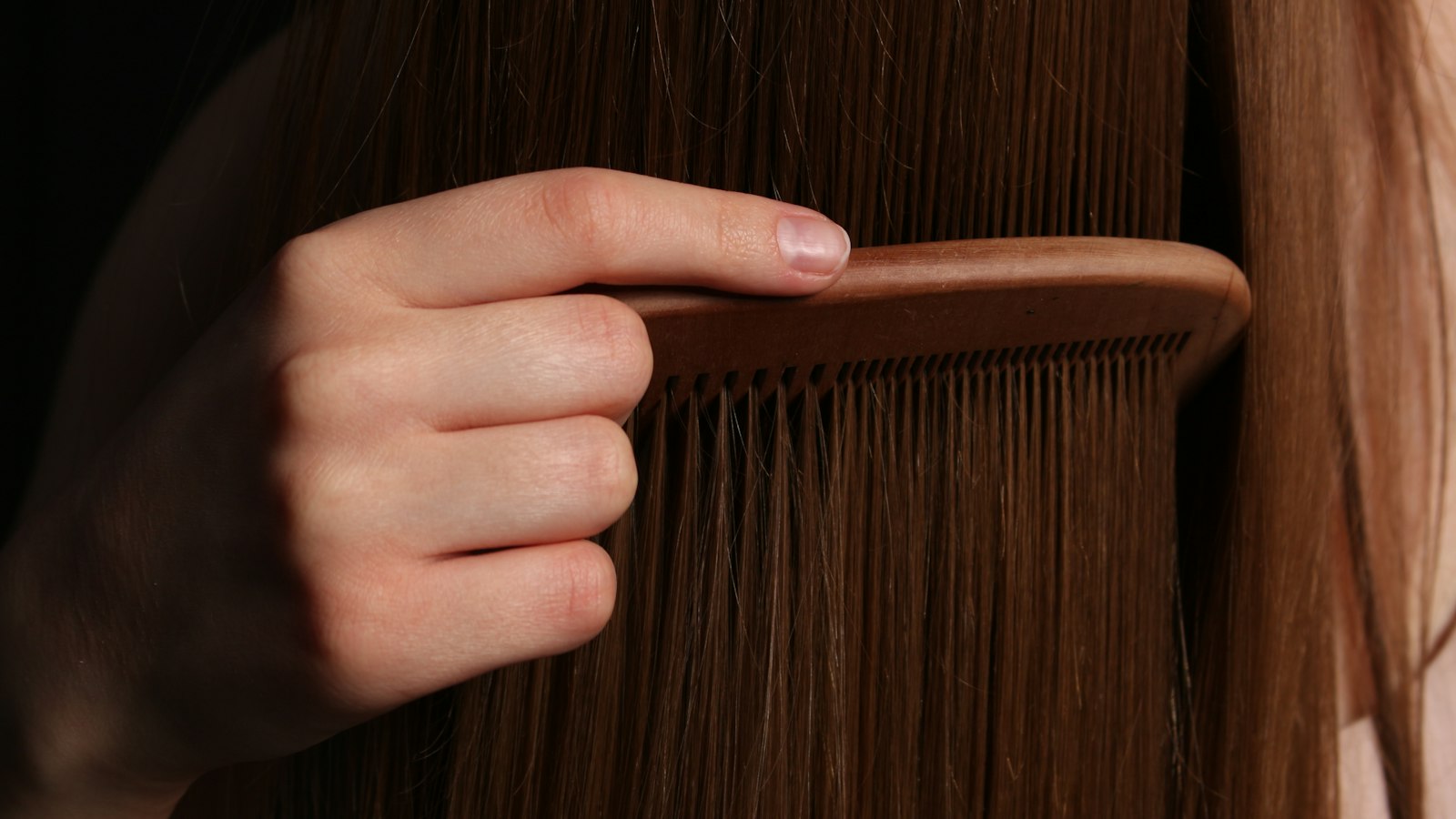
Hair thinning is far more common in women than most people realize. Studies suggest that a large share of women will notice meaningful thinning by their fifties, and many notice it much earlier. Yet female hair loss is still discussed less openly than male pattern baldness, and many women feel they have to hide it with styling, extensions or hats. If you have noticed a wider part, more scalp showing under bright light or a thinner ponytail, you are not alone, and there are good options.
Platelet-rich plasma (PRP) scalp treatment has become one of the most requested non-surgical options for women in Beverly Hills. This guide explains why women lose hair, which situations PRP can help with, what treatment involves, and how to set realistic expectations. You can learn about our wider PRP services on our PRP Beverly Hills page.
Why women’s hair thins
Female hair loss usually looks different from male hair loss. Rather than a receding hairline or bald crown, women more often see diffuse thinning across the top of the scalp, a widening part and reduced volume overall. The most common causes include:
Female pattern hair loss (androgenetic alopecia)
This is the most common cause. Hair follicles gradually shrink (miniaturize) over time, producing finer, shorter hairs until some stop producing visible hair. Genetics and hormones both play a role. It typically progresses slowly, which is why early treatment matters.
Postpartum shedding (telogen effluvium)
During pregnancy, higher hormone levels keep more hair in the growth phase. A few months after birth, many of those hairs shift into the resting phase and shed together. This can be dramatic, but it is usually temporary. In some women, it reveals underlying pattern thinning that was already present.
Perimenopause and menopause
As estrogen and progesterone decline, the relative influence of androgens on the follicles increases. Many women notice thinning at the crown and temples and a change in hair texture during their forties and fifties.
Stress, illness and nutrition
A major illness, surgery, rapid weight loss, crash dieting or a period of intense stress can trigger widespread shedding two to three months later. Iron deficiency, thyroid disorders and low vitamin D are also common contributors.
Medication and styling
Some medications can cause shedding, and tight hairstyles, extensions and heavy heat styling can cause traction-related loss along the hairline.
Because the causes vary, the first step is always to understand what is driving your thinning. In some cases, we recommend blood work or a referral to a dermatologist or your physician before starting PRP.
How PRP works for women’s hair
PRP is prepared from a small sample of your blood, spun in a centrifuge to concentrate the platelets. These platelets release growth factors that are believed to support the hair follicle, extend the growth phase of the hair cycle, improve blood supply around the follicle and encourage miniaturized follicles to produce thicker hairs.
Clinical research on PRP for androgenetic alopecia, including randomized trials and meta-analyses, has reported increases in hair density and hair shaft thickness for many patients. Most studies include men and women, and results in women have generally been encouraging, especially for early to moderate thinning. Responses differ, and not every person responds, which is why we track progress with standardized photos.
Which women are good candidates?
- Women with early to moderate female pattern thinning, especially along the part and crown
- Women with persistent shedding after pregnancy, once medical causes have been reviewed
- Women noticing thinning in perimenopause or menopause
- Women who want a drug-free option, or a complement to treatments prescribed by their doctor
- Women with thinning that has stabilized after illness or stress and want to support regrowth
PRP is generally not recommended if you are pregnant or breastfeeding, have a platelet or bleeding disorder, take blood thinners, have an active scalp infection or are undergoing cancer treatment. It also cannot restore hair in areas where follicles have scarred, such as in some forms of scarring alopecia, which require specialist care.
What to expect during PRP scalp treatment
Consultation
We discuss when you first noticed thinning, your health history, recent life events, medications, diet and hair care routine. We examine the scalp and take standardized photos of the part, crown and hairline. If anything suggests an underlying medical cause, we will discuss next steps with you before starting treatment.
Preparation
Arrive with clean, dry hair and no styling products. Eat a light meal and drink plenty of water the day before and the morning of your visit, which makes the blood draw easier. Many providers suggest avoiding anti-inflammatory painkillers for a few days before treatment, but never stop prescribed medication without your doctor’s guidance.
Treatment
A small amount of blood is drawn from your arm and processed in the centrifuge for roughly ten to fifteen minutes. Meanwhile, the scalp is cleansed and comfort measures are applied. PRP is then placed into the thinning areas using fine injections in a grid pattern. The whole visit usually takes about an hour.
After treatment
The scalp may feel tender or tight for a day or two. Mild swelling, sometimes extending to the forehead, can occur. We usually recommend waiting 24 hours before washing your hair and avoiding hair dye, chemical treatments, intense workouts and saunas for a couple of days.
How many sessions do women need?
A typical initial protocol is three to four sessions spaced about four weeks apart, followed by a review roughly three months after the last session. Maintenance treatments every four to six months, or as advised, help sustain results, since the underlying causes of pattern thinning continue over time. Your plan may be shorter for temporary shedding and longer for established pattern thinning. Our article on how many PRP sessions you need explains the reasoning in more detail.
Results timeline for women
- Months 1-2: some women notice reduced shedding first.
- Months 3-4: fine new hairs may appear along the part and hairline.
- Months 4-6: improvements in density and thickness become easier to see in photos.
- Months 6-12: full assessment of response and planning of maintenance.
Hair grows about a centimeter a month, so patience is essential. We compare photos taken in the same lighting and angle at each visit, because day-to-day mirror checks rarely show gradual change.
Combining PRP with other hair loss treatments
PRP often works best as part of a broader plan. Depending on your situation, your physician may discuss topical or oral medications, and you may benefit from addressing nutrition, iron and vitamin D, thyroid health, stress and sleep. Gentle hair care, reducing tight hairstyles and limiting heat also help. We are happy to coordinate with your dermatologist or doctor.
Some women ask about PRF for hair. PRF is prepared differently and releases growth factors more slowly. You can compare the two in PRF vs PRP for hair loss. For more on the evidence, see does PRP work for hair loss?
Postpartum hair loss and PRP: special considerations
Postpartum shedding usually peaks around three to four months after delivery and improves on its own over the following months. Because PRP is typically not performed during breastfeeding at many clinics, timing matters. If shedding continues well beyond your baby’s first birthday, or if your part and crown look thinner than before pregnancy, it may be worth assessing for underlying pattern thinning. Iron and thyroid levels are especially worth checking after pregnancy.
Menopause, hormones and PRP
Thinning during perimenopause and menopause is often a combination of hormonal shifts and genetic tendency. PRP can be a helpful addition for many women at this stage, particularly when started early. If you are considering hormone therapy, discuss hair changes with your physician, since some treatments can influence hair. Changes in skin quality often happen at the same time, and many women combine scalp PRP with skin treatments such as PRP for skin rejuvenation.
Cost of PRP hair treatment for women in Beverly Hills
PRP hair restoration pricing in Beverly Hills depends on the size of the area treated, the preparation system, the number of sessions and any additional therapies. In premium Beverly Hills clinics, scalp PRP commonly costs around $1,000 to $2,000 per session, with packages reducing the price per visit. We confirm your price in writing at consultation, and financing is available through the Cherry payment plan.
Hair care tips while you are in treatment
- Use a gentle, sulfate-free shampoo and avoid scrubbing the scalp hard after sessions.
- Lower heat settings on styling tools and use heat protection.
- Avoid tight ponytails, buns and heavy extensions where possible.
- Eat enough protein and discuss supplements with your doctor before starting them.
- Protect the scalp from sunburn along the part with a hat or scalp SPF.
- Keep a monthly photo diary in the same light to track your progress.
Why women choose ELin Medical Spa
We know hair thinning can affect confidence in a way that is hard to explain. Our team takes time to listen, explains your options honestly and never pushes treatments that are unlikely to help. Located on South Beverly Drive, we are easy to reach from Century City, West Hollywood, Brentwood, Bel Air and Beverly Grove, and appointments are private and discreet.
Signs it is time to consider treatment
Many women wait years before seeking help, often because thinning creeps in slowly. Because PRP works best on follicles that are still active, earlier is usually better. Consider booking an assessment if you notice any of the following:
- Your part looks wider in photos than it did a year or two ago
- Your ponytail feels noticeably thinner, or you wrap your hair tie an extra time
- More scalp is visible under overhead lighting, such as in elevators or bathrooms
- You are shedding more hair in the shower or on your brush for longer than three months
- Your hairline at the temples looks sparser or the hairs there are finer
- Your hair takes longer to grow and does not reach the length it used to
What PRP cannot do
Being clear about limits is part of good care. PRP does not create new follicles where they no longer exist, so it will not restore hair to a fully bald, smooth area. It does not replace medical treatment for thyroid disease, anemia, autoimmune conditions or scarring alopecia. And it is not a one-time fix: like most hair loss treatments, ongoing maintenance is part of the plan. For women with advanced thinning, a referral to a hair restoration surgeon may be the better path, and PRP can still play a supporting role around a transplant.
A note on privacy
Many of our patients prefer that no one knows they are treating their hair. Appointments are scheduled discreetly, scalp treatments leave no visible marks once any temporary redness settles, and most women return to work the next day with their usual hairstyle. Your photos and records are kept confidential and are never shared without your written permission.
Frequently asked questions
Does PRP work for female hair loss?
Studies on PRP for androgenetic alopecia, including women, have reported improvements in hair density and thickness for many patients, especially when started early. Response varies, so progress is tracked with photos.
Can I get PRP for hair while breastfeeding?
Many clinics, including ours, prefer to wait until after breastfeeding. Postpartum shedding often improves on its own, so timing is discussed at consultation.
How long do PRP hair results last for women?
After an initial series, maintenance sessions every four to six months are usually recommended to sustain results, since pattern thinning continues over time.
Will PRP help hair loss caused by low iron or thyroid problems?
Shedding caused by deficiencies or thyroid conditions should be treated at the cause first with your doctor. PRP may then support regrowth once the underlying problem is managed.
Can I color my hair after PRP?
Most providers recommend waiting at least 48 to 72 hours after a PRP scalp session before coloring or chemical treatments.
Book a consultation at ELin Medical Spa
ELin Medical Spa is located at 337 S Beverly Dr #100, Beverly Hills, CA 90212. Every treatment plan begins with a complimentary consultation. Call or text +1 (424) 253-4516 or request your appointment online.
This article is for general education and is not medical advice. Individual results vary, and a consultation is required to confirm candidacy.
Have a question about this treatment? Our Beverly Hills team will help you choose what fits your goals.
More from our journal
 November 17, 2026
Masseter Botox in Beverly Hills: Jaw Slimming, Teeth Grinding and Clenching Relief
Read article
 November 16, 2026
Morpheus8 With PRP in Beverly Hills: Why Combining RF Microneedling and Platelet-Rich Plasma Works
Read article
 November 15, 2026
“Ozempic Face” Treatment in Beverly Hills: Restoring Volume and Skin Quality After GLP-1 Weight Loss
Read article